

U.S. think tank: Iran 'won' first round of Muscat talks
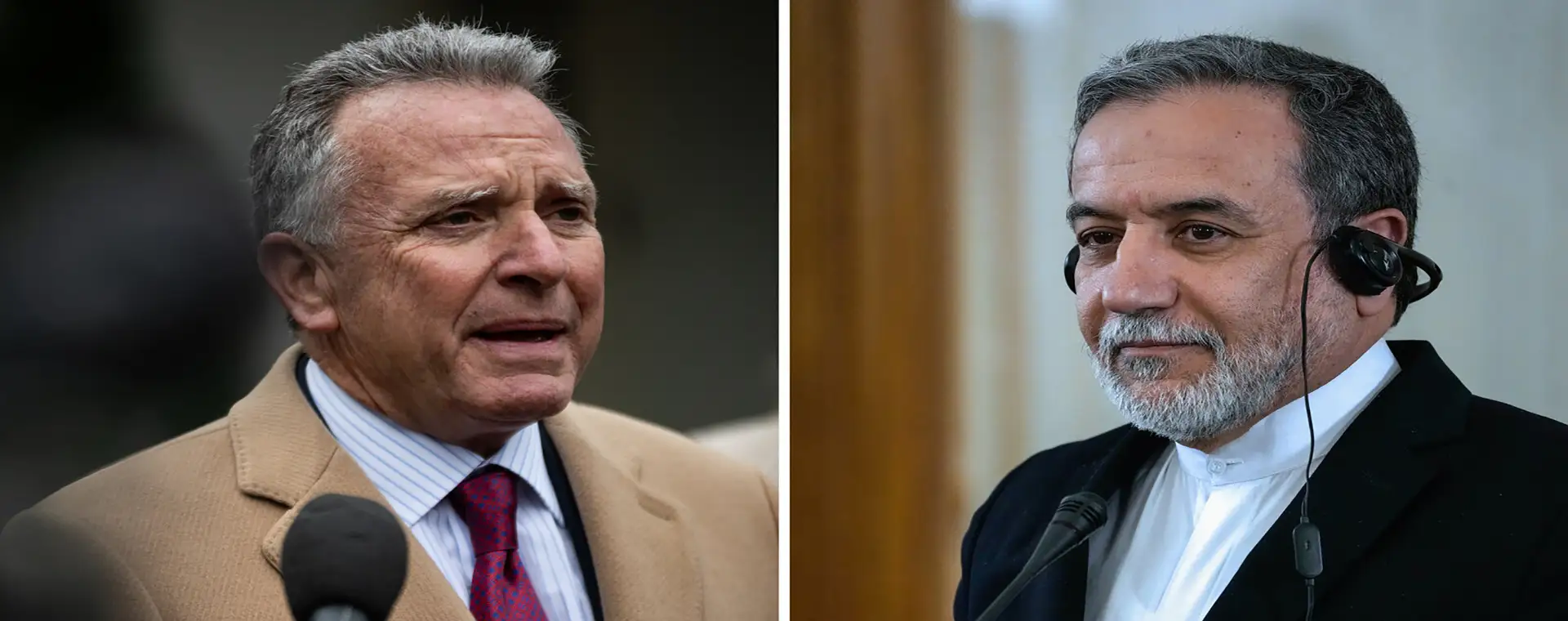
Elliott Abrams, a senior fellow at the Council on Foreign Relations, published an analytical article on April 13, 2025, titled "Talks in Oman: First Round Goes to Iran," in which he examined the developments of the first round of indirect talks between Iran and the United States, which began last Saturday in Oman, arguing that they gave Iran an early advantage over the U.S. position.
Indirect talks and a form of negotiation that favors Tehran
Abrams argues that Iran succeeded from the outset in imposing its negotiating style, having rejected the U.S. proposal for direct talks. Oman's foreign minister played the role of mediator in the first round, which saw only a protocol handshake between U.S. envoy Steve Witkoff and Iranian Foreign Minister Abbas Araqchi, with no direct meetings of a negotiating nature.
Iran's Narrow Agenda
Abrams criticized the limitation of the talks' agenda to nuclear issues without addressing other issues related to Iran's regional behavior, such as its ballistic missile program and support for armed groups in the region, which he sees as a repeat of one of the main flaws of the 2015 nuclear agreement (JCPOA). He notes that this path is consistent with the Iranian desire to confine the negotiations within narrow boundaries without comprehensive commitments.
U.S. backtracks on demands
The article noted that the US envoy's public statements reflected a retreat from previous tough positions, particularly regarding the need to dismantle Iran's nuclear program. Abrams characterizes this shift as a "preemptive concession" that would weaken Washington's ability to impose tougher terms in any future agreement.
Strategic context gives Washington more leverage
According to the article, Iran's agreement to engage in talks came as a result of a realization within the Iranian regime of the magnitude of economic and domestic pressures, and a fear of an "existential threat" to the regime. Abrams concludes that this circumstance gives the US a rare negotiating opportunity to tighten terms, emphasizing that Iran is weaker today than ever before, and this should be exploited rather than repeating the experience of the 2015 agreement.
A call to revise the negotiation strategy
Abrams concludes his analysis by calling on the administration to restore its previous conditions announced by the Trump administration in 2018, which included Iran's cessation of missile development, support for militant groups, and human rights abuses, as well as nuclear restrictions. Ignoring these elements would produce a deal with limited impact, reinforcing Iran's destabilizing behavior and giving it economic breathing room without real commitments.
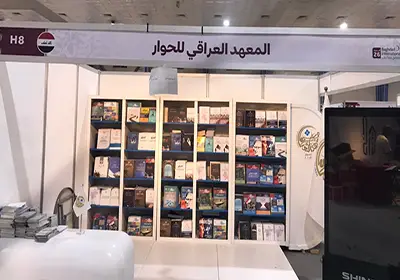
The Iraqi Institute for Dialogue, the logistical sponsor of the Baghdad International Book Fair, opens its own pavilion at the fair
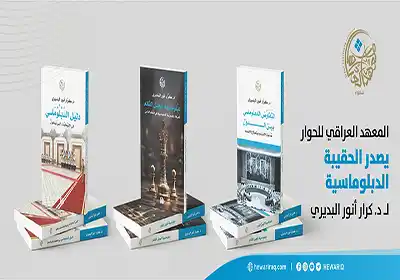
The Iraqi Institute for Dialogue publishes "The Diplomatic Portfolio" by Dr. Karrar Al-Badiri
Official agreement between Iraqi Institute for Dialogue and the Iraqi Media Network to sponsor The Seventh Annual International Conference of “Baghdad Dialogue” 2025
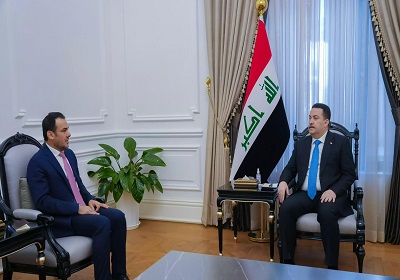
Prime Minister: The path of development will make Iraq a regional political and economic powerhouse
Invitation to the 79th issue of Dialogue of Thought
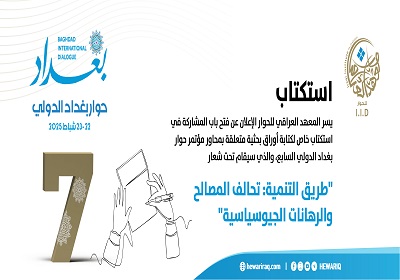
Seventh Baghdad International Dialogue Conference Call for Papers
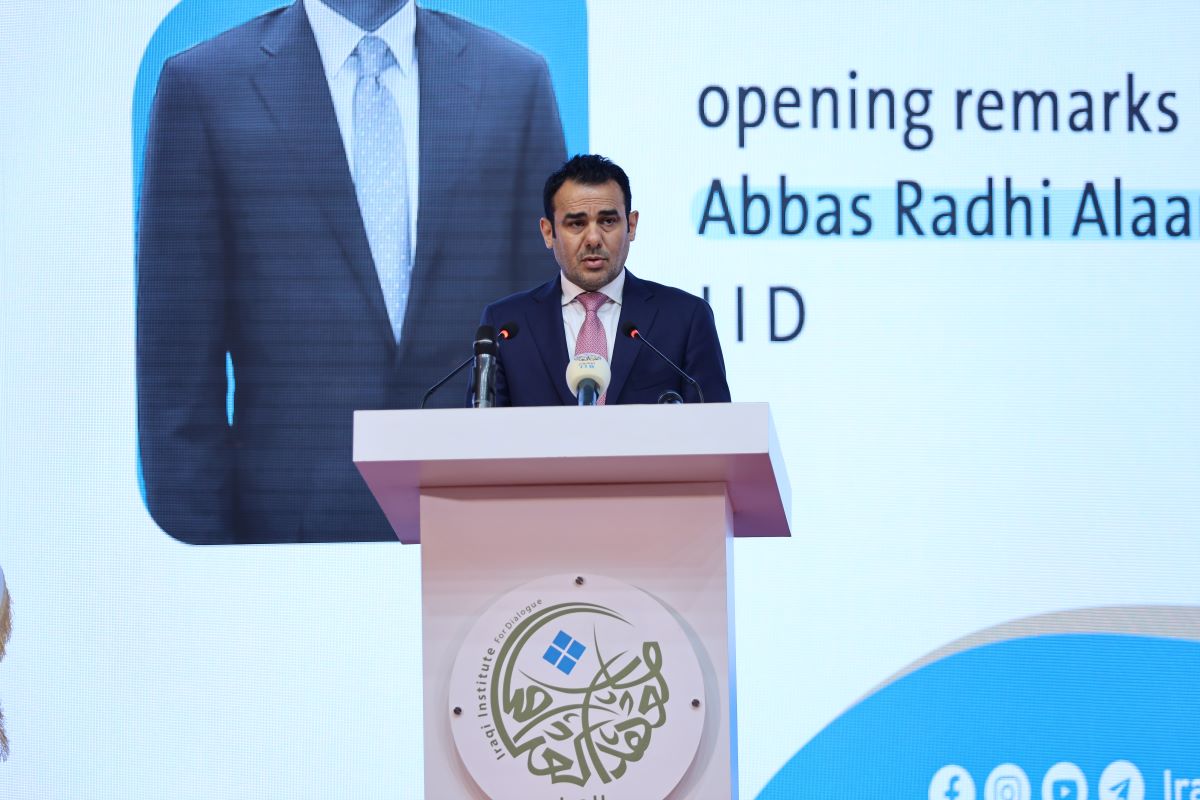
Praise for the Baghdad International Dialogue: Strengthening Iraq's pivotal role and a meeting point for visions
Comments