



By Amna Ali Kazem Dahab - Nahrain University
Iraq and the Future of Global Energy Security
Energy security is one of the most important pillars of a country's national security, as it is linked to securing the natural resources needed to meet energy needs and ensure their sustainability. Protecting energy security has become a political priority for the world's major powers, prompting them to develop clear strategies to achieve this goal in strategic regions, the most important of which is the Middle East. Iraq is a major producer and exporter of oil and natural gas, and enjoys large oil and gas reserves that make it an influential player in stabilizing global energy supplies.
This research aims to study the concept of energy security and its importance in international relations, analyze Iraq's current and historical role in this field, and review the internal and external challenges facing the Iraqi energy sector and their impact on its future role in global energy security. The research will also address the global changes in energy markets and the need for Iraq to adapt to these changes.
The research objectives include defining the concept of energy security and its importance, identifying the determinants of global energy security, analyzing internal and external extrapolations affecting Iraq's energy security policies, highlighting the repercussions of the energy policies pursued by Iraq on the political, security and economic levels, and foreseeing future possibilities for the Iraqi energy security path in light of the challenges and strategies adopted.
The concept of energy security and Iraq's historical role
The concept and interpretation of energy security varies among researchers and countries, and is influenced by political, security and economic conditions in the international environment. The concept generally refers to ensuring an uninterrupted supply of energy at acceptable prices. This concept has historically been associated with conflicts and competition for control of energy sources and supplies. It should be noted that protecting energy security plays a key role in driving the global economy and avoiding armed conflicts.
Iraq has historically played a pivotal role in stabilizing global energy markets due to its large oil and gas reserves. During previous periods, Iraq contributed to meeting a large part of the world's energy needs. However, this role has been affected by many of the political and security challenges and transformations that Iraq has gone through, especially after 2003. Despite these challenges, the energy sector remains one of the most important issues in Iraq's international policy, as it affects the stability of global supplies and is highly dependent on Iraq for financial revenues.
Internal and External Challenges to Iraq's Energy Security
Iraq faces significant internal challenges that affect energy security and stability. The most important of these challenges is the unstable political and security situation, which hinders efforts to develop the energy sector and increase production. Iraq also suffers from widespread administrative and financial corruption, which negatively affects all sectors, including the energy sector, and hinders investments. In addition, there are environmental issues resulting from oil extraction, gas flaring and oil spills, which threaten the sustainability of the energy sector.
In terms of external challenges, Iraq has been greatly affected by regional and international interventions and conflicts, which have led to the destruction of oil infrastructure and sometimes disrupted production. Tense relations with some neighboring countries and ongoing border disputes pose an additional challenge to Iraq's energy security. Add to this the impact of global oil price fluctuations and economic crises, such as the coronavirus crisis in 2020, which led to a sharp decline in Iraqi oil revenues and the sector was severely affected.
The Future of Iraq's Energy Security in Light of Global Changes
The world is witnessing major shifts in energy, including a growing interest in renewable energy sources and policies to combat climate change. Iraq needs to adapt to these changes by diversifying its energy sources and investing in clean energies to ensure its future in global energy markets.
To ensure the stability of global energy supplies, Iraq must strike a delicate balance between increasing oil and gas production, modernizing infrastructure, and investing in renewable energy. Iraq is also called upon to be an active player in securing these supplies by enhancing regional and international cooperation and adopting innovative energy policies that take into account various challenges. Addressing security, political, and administrative challenges is necessary to improve Iraq's energy security and enable it to play a more stable and reliable role in the global market.
Conclusions and recommendations
In conclusion, it is clear that energy security is a vital issue for Iraq and the world, and that Iraq, with its oil and gas resources, is at the center of this issue. Despite the significant challenges it faces, Iraq still has the potential to play an important role in the future of global energy security if it can overcome these challenges and adopt effective strategies.
Based on the above, the research recommends the following:
The need to achieve political stability and security in the country as a prerequisite for developing the energy sector and ensuring its sustainability.
Fighting administrative and financial corruption in the energy sector to ensure efficient utilization of resources and attract investments.
Developing and modernizing the infrastructure of the energy sector to increase production and export efficiency and minimize losses.
Investing in renewable energy sources and diversifying the country's energy mix to adapt to global changes in energy markets.
Promoting regional and international cooperation in the field of energy and exchanging expertise and technology with other countries.
Develop clear and sustainable strategies and policies for the energy sector that take into account internal and external challenges and global shifts.
Finding solutions to the existing disputes between the federal government and the KRG regarding the management and export of oil and gas to ensure the unity and stability of the sector.
Implementing these recommendations would strengthen Iraq's role in global energy security and contribute to the country's stability and prosperity.
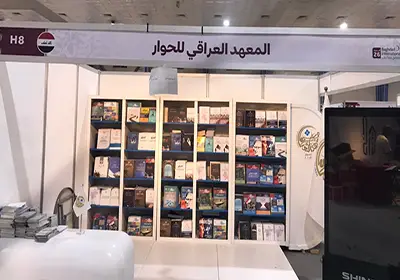
The Iraqi Institute for Dialogue, the logistical sponsor of the Baghdad International Book Fair, opens its own pavilion at the fair
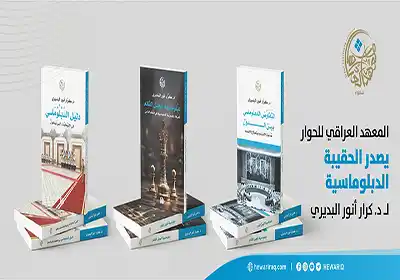
The Iraqi Institute for Dialogue publishes "The Diplomatic Portfolio" by Dr. Karrar Al-Badiri
Official agreement between Iraqi Institute for Dialogue and the Iraqi Media Network to sponsor The Seventh Annual International Conference of “Baghdad Dialogue” 2025

Invitation to the 79th issue of Dialogue of Thought
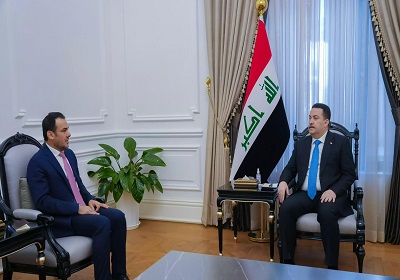
Prime Minister: The path of development will make Iraq a regional political and economic powerhouse
Seventh Baghdad International Dialogue Conference Call for Papers
Praise for the Baghdad International Dialogue: Strengthening Iraq's pivotal role and a meeting point for visions
Comments