


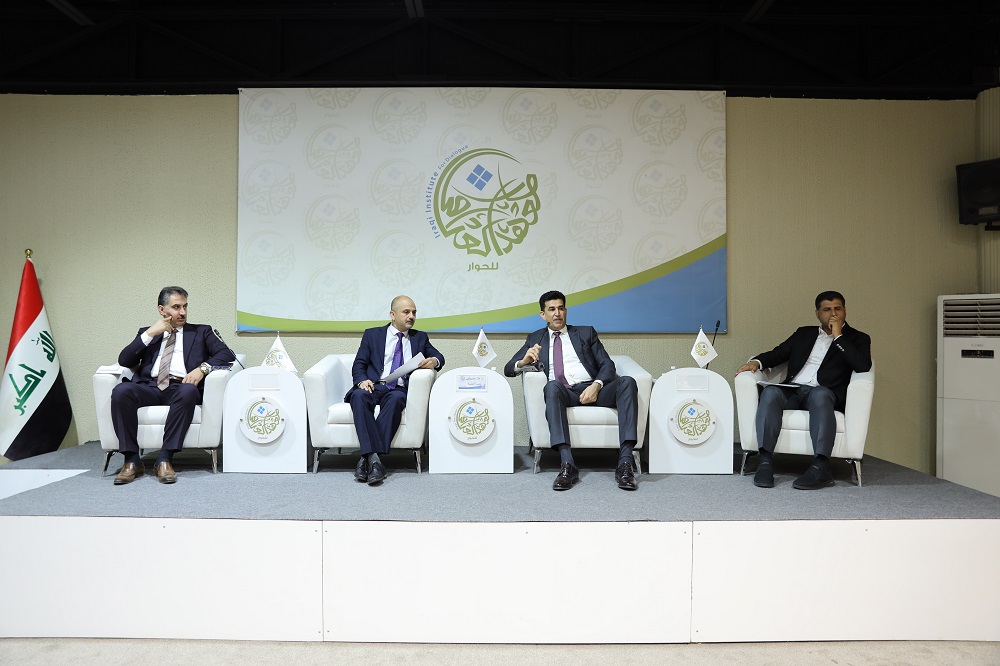
Seminar on “The Role of Thinking Centers in Government Reforms and Decision Making”
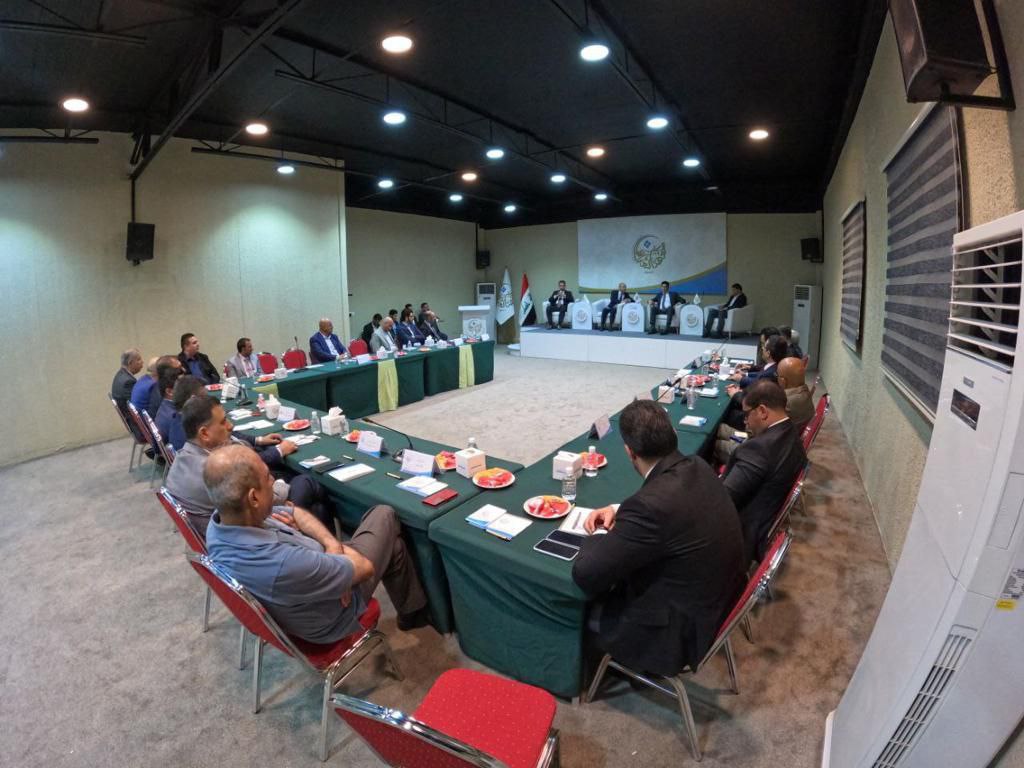
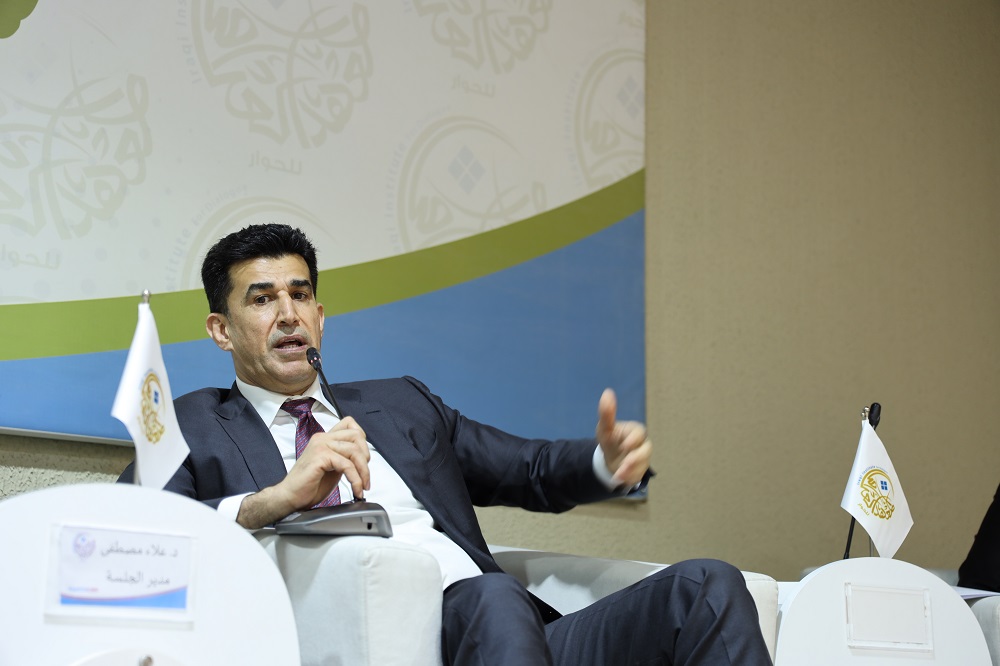
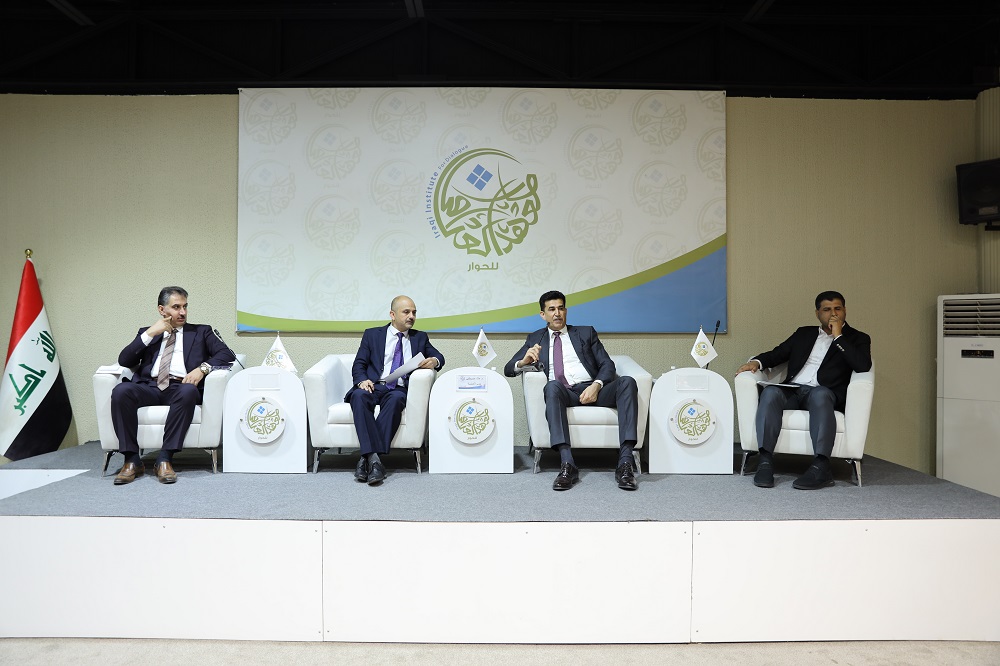
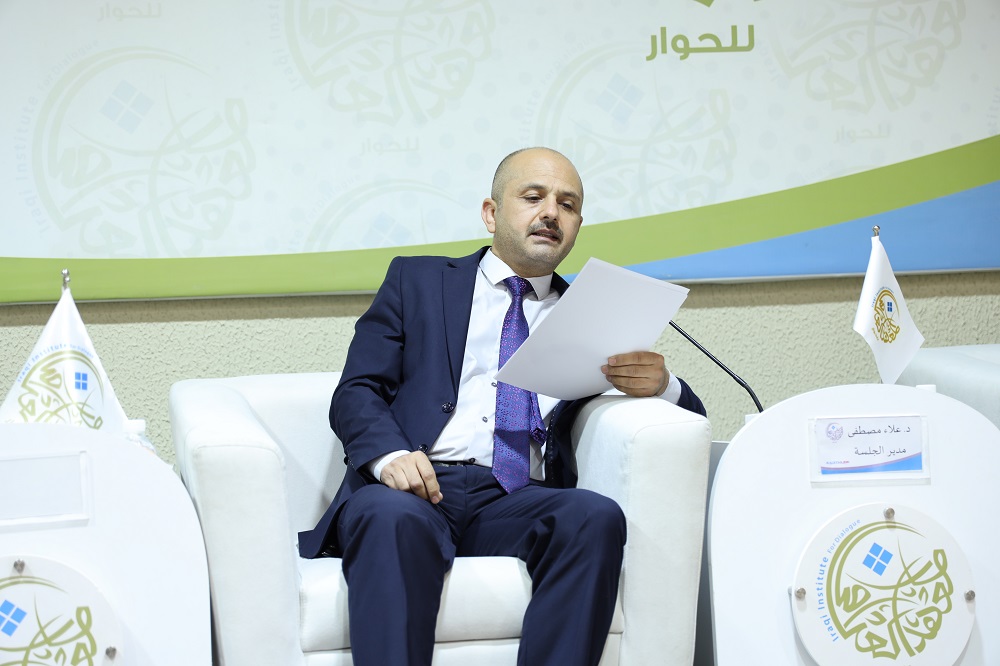
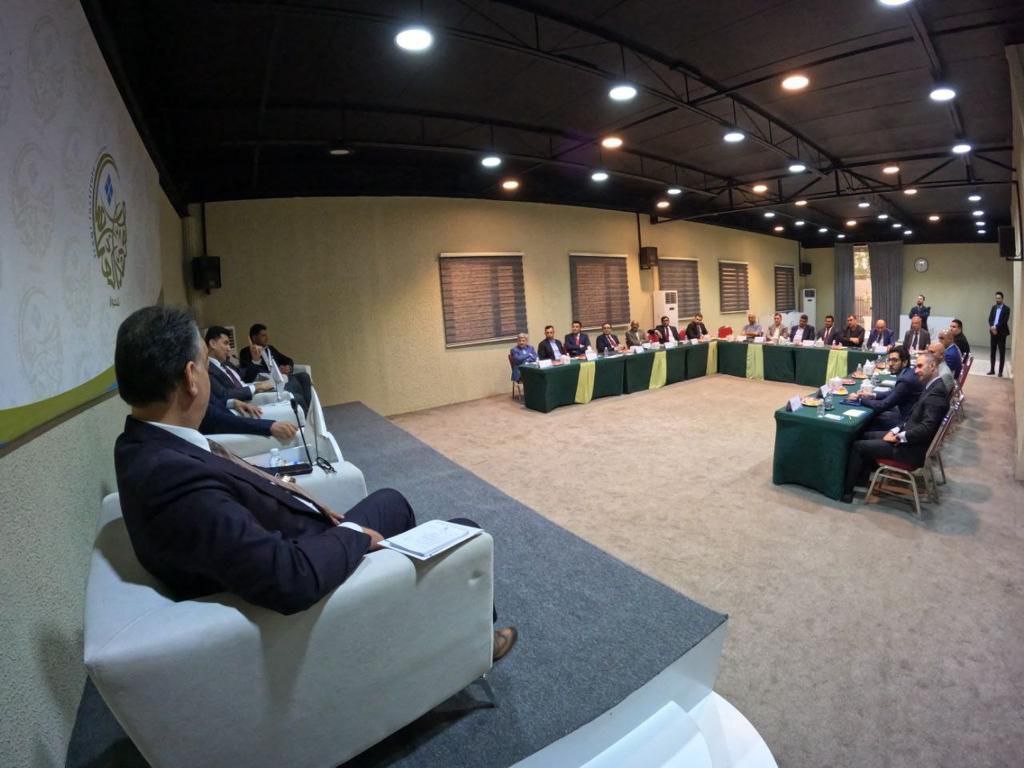
On Saturday, 3-6-2023, the Iraqi Institute for Dialog held a dialog seminar entitled "The Role of Thinking Centers in Government Reforms and Decision-Making", which was moderated by Dr. Alaa Mustafa in the presence of a group of directors of think tanks and studies in Iraq in addition to researchers, specialists and officials in the Iraqi government.
The seminar highlighted the importance of think tanks and research centers in providing visions and advice to decision makers by addressing crises and problems related to state building in Iraq, as well as the exchange of information between think tanks and research centers in the country.
And pointed out Mr. Abbas al-Ameri, Director of the Iraqi Institute for Dialog, that think tanks were able to attract the most important thinkers and minds to be executives, ministers and decision-makers, and this is what we notice in the interest of the countries of our region in think tanks, noting that "think tanks are a distinct phenomenon that was able to reach the highest decision-making centers and have an active and influential role and draw strategic policies."
Al-Ameri concluded his speech by saying: "Specialists believe that the state has become a key actor, but it is not alone in the international environment. A new actor has emerged, which is the think tanks and has received great attention in societies and advanced political systems until it has become a key partner in government institutions in making the most important decisions in those countries."
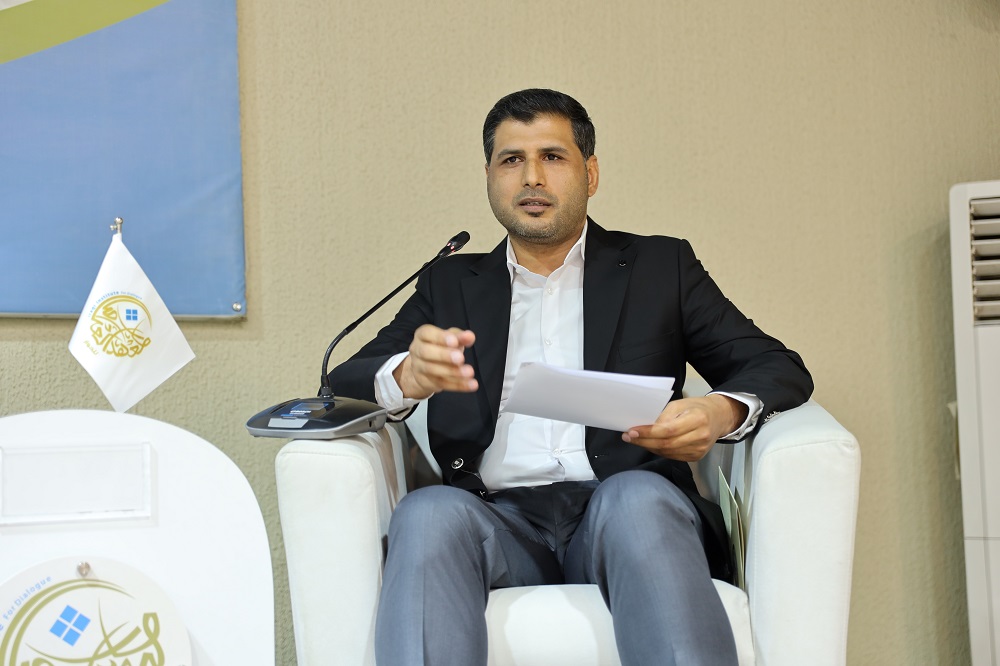
And then the symposium began with the papers presented by the researchers, where Dr. Khaled Al-Yaqoubi, the adviser to the Prime Minister, spoke in the paper he presented about the importance of think tanks, stressing that these centers are part of the international community organizations, criticizing at the same time the phenomenon of what he called the spread of "imaginary think tanks," noting that "the survival of real and influential centers is respected by the decision maker."
He also explained the need for the competent authorities to take their procedures to verify the real think tanks and research centers from others that bear this title and have other motives.
Dr. Mohammed al-Ukaili, deputy director of the Nahrain Center for Strategic Studies, described the situation as "stressful" since 2003.
He pointed out that decision-making needs correct and productive tools by relying on specific skills and contexts, whether on strategy writers or policy-making, noting that the efforts made by think tanks and research centers at the current stage are great efforts and a focus of attention.
He pointed out that there are some problems with decision-making in Iraq, such as the development project recently proposed by the government.
For his part, Dr. Osama Al-Shabib, Director of Al-Baidar Center for Studies and Planning, spoke in his paper presented at the symposium about the social and political environment through which think tanks were born, noting that "when the decision-maker relies on the recommendations of think tanks, this sends a message of respect for state officials for those centers and what they issue." He also spoke about the challenges faced by real think tanks, including the absence of legislation and the funding crisis.
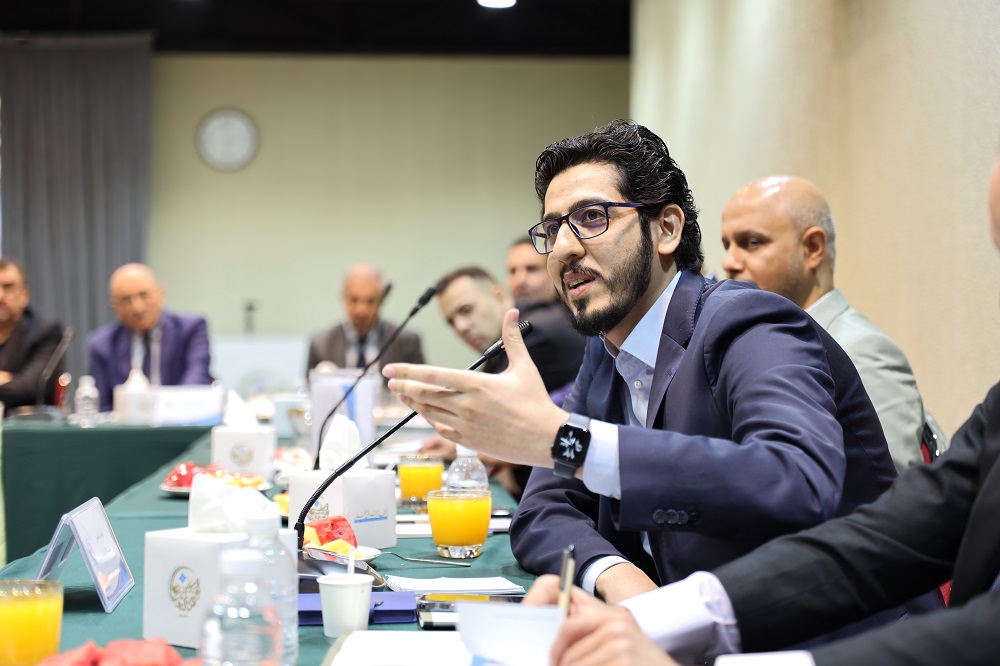
In the end, the symposium witnessed many scientific interventions and discussions that shed light on important topics regarding think tanks and decision-making mechanism, amid praise for the efforts made by the Iraqi Institute for Dialog in holding scientific and intellectual courses and workshops.
The symposium was attended by a group of experts in politics, security and economics.
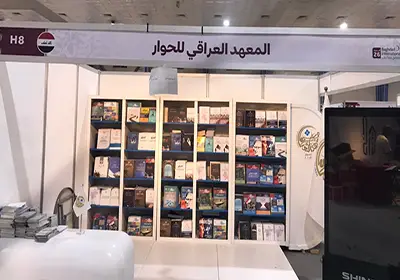
The Iraqi Institute for Dialogue, the logistical sponsor of the Baghdad International Book Fair, opens its own pavilion at the fair
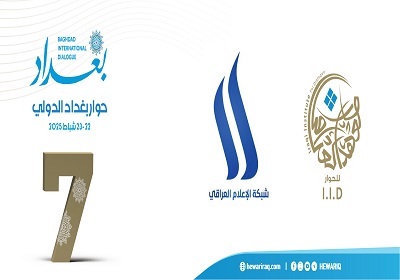
Official agreement between Iraqi Institute for Dialogue and the Iraqi Media Network to sponsor The Seventh Annual International Conference of “Baghdad Dialogue” 2025
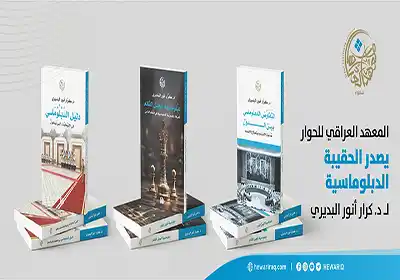
The Iraqi Institute for Dialogue publishes "The Diplomatic Portfolio" by Dr. Karrar Al-Badiri
Invitation to the 79th issue of Dialogue of Thought
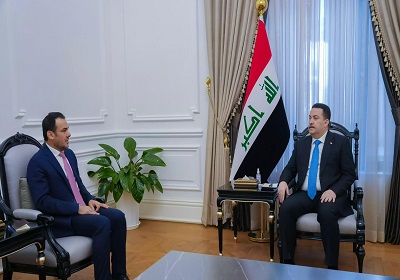
Prime Minister: The path of development will make Iraq a regional political and economic powerhouse
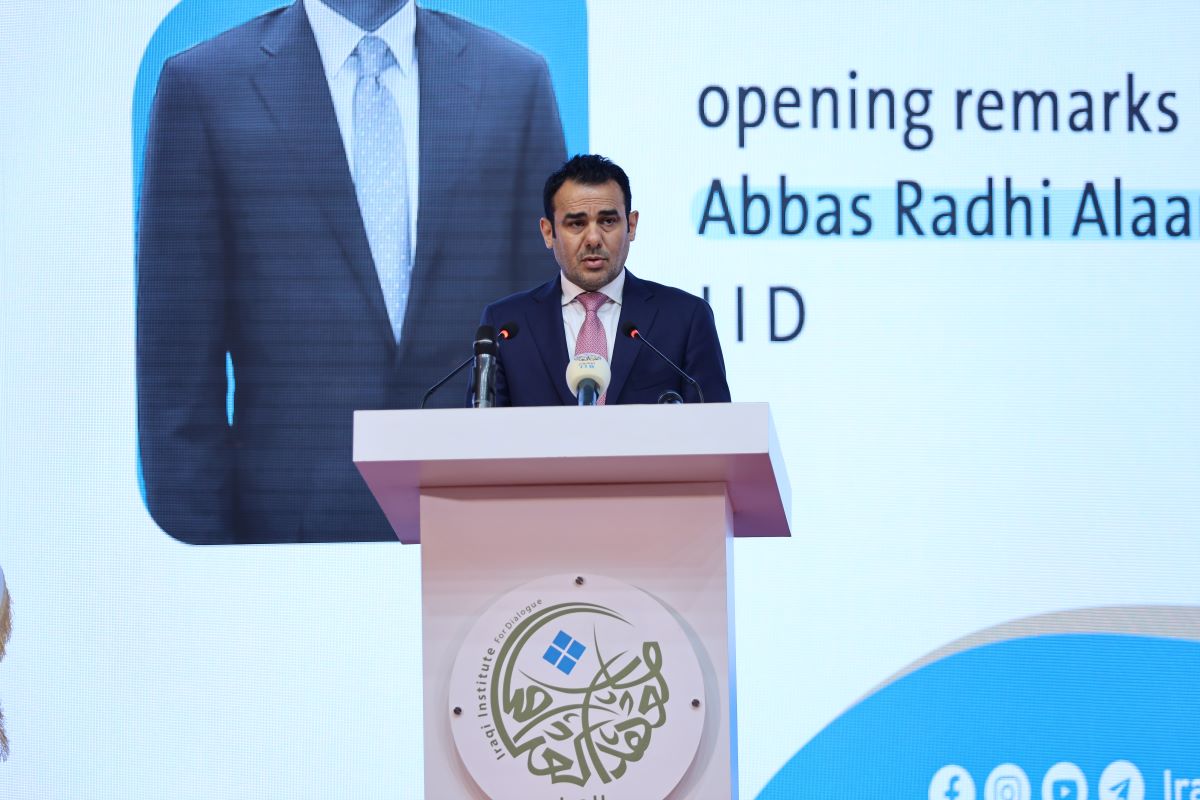
Speech of the Director of the Iraqi Institute for Dialog at the Sixth Baghdad International Dialog Conference
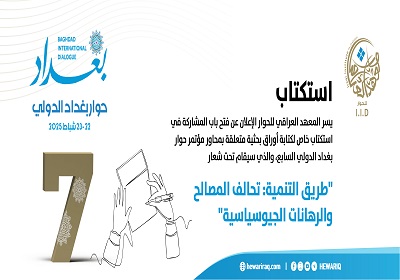
Seventh Baghdad International Dialogue Conference Call for Papers
Comments