


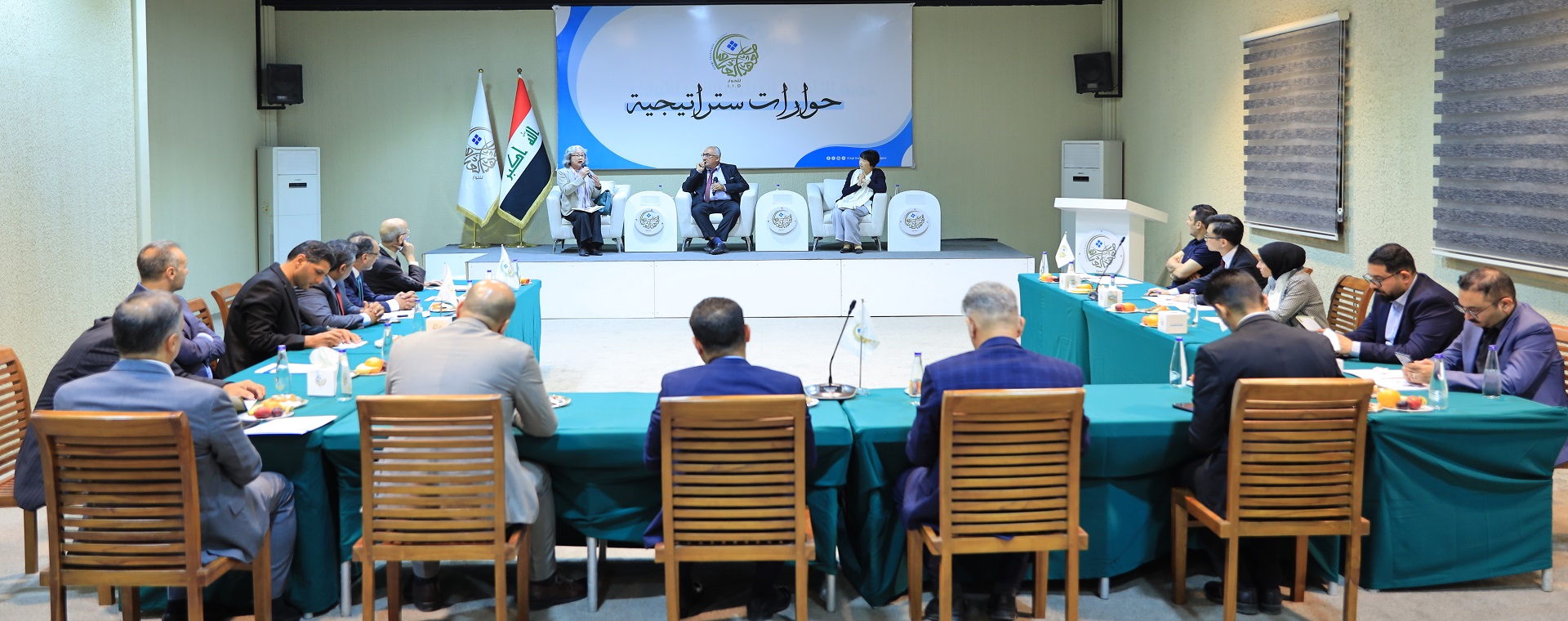
Seminar at the Iraqi Institute for Dialog (Japan and Palestine... the mystery of culture and victory for injustice)
Two researchers and academics from Japan have called on the government to reconsider Tokyo's foreign policy towards the genocide and suffering of the Palestinian people by the Israeli occupation.
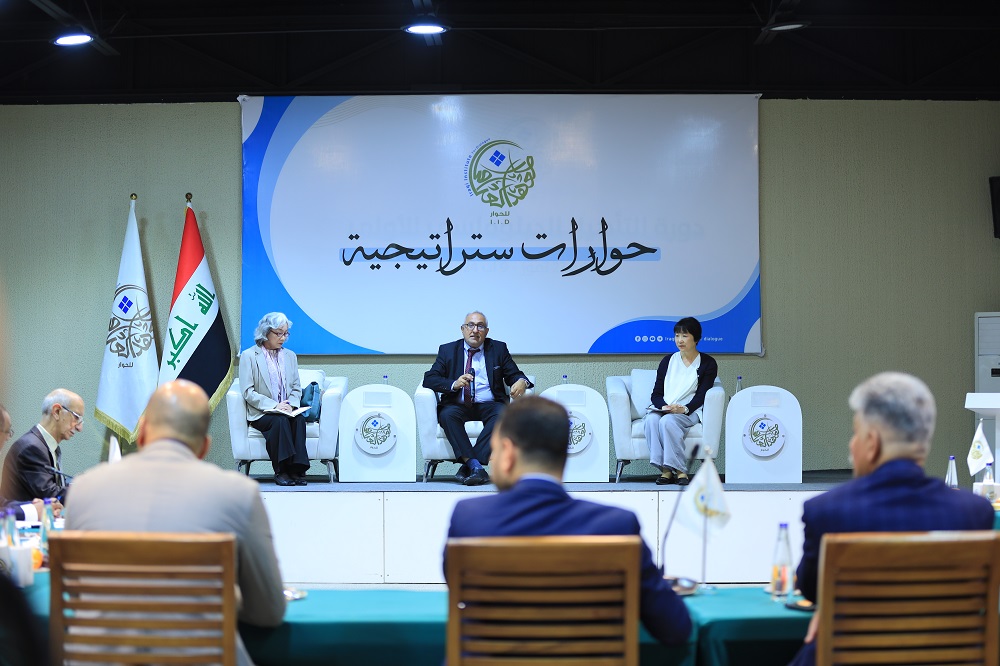
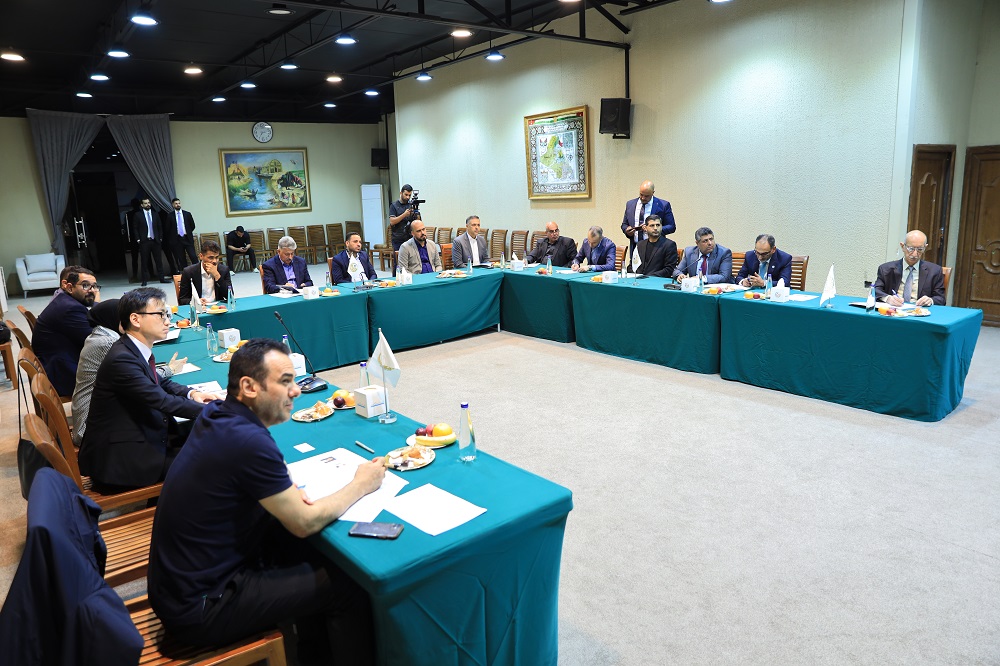
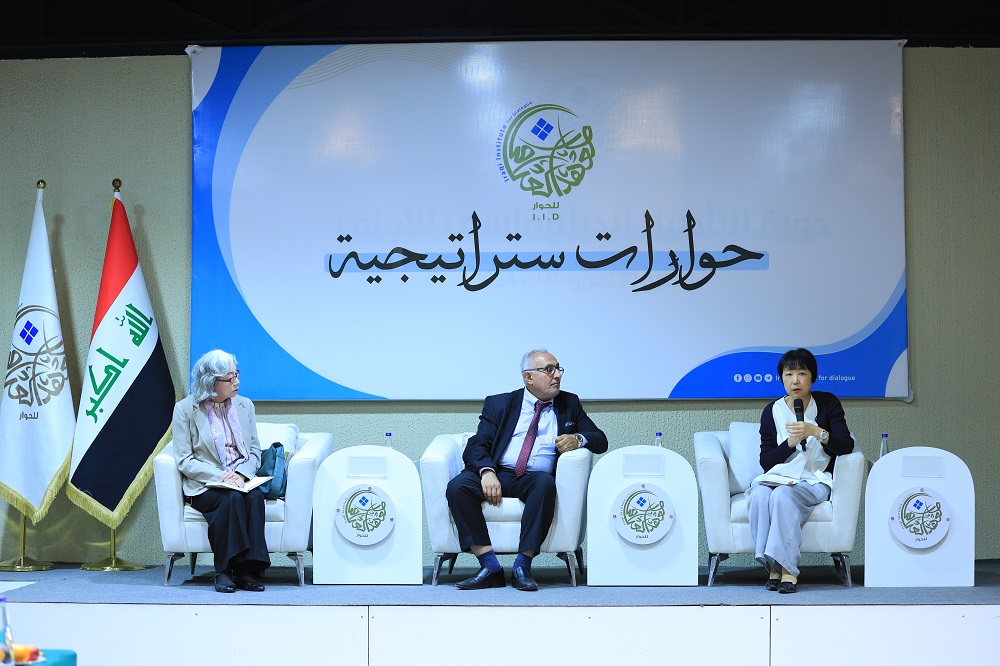
This came during a seminar held by the Iraqi Institute for Dialog on Thursday evening as part of the "Strategic Dialogs" project.Japan and Palestine.. The mystery of culture and the victory of injustice).
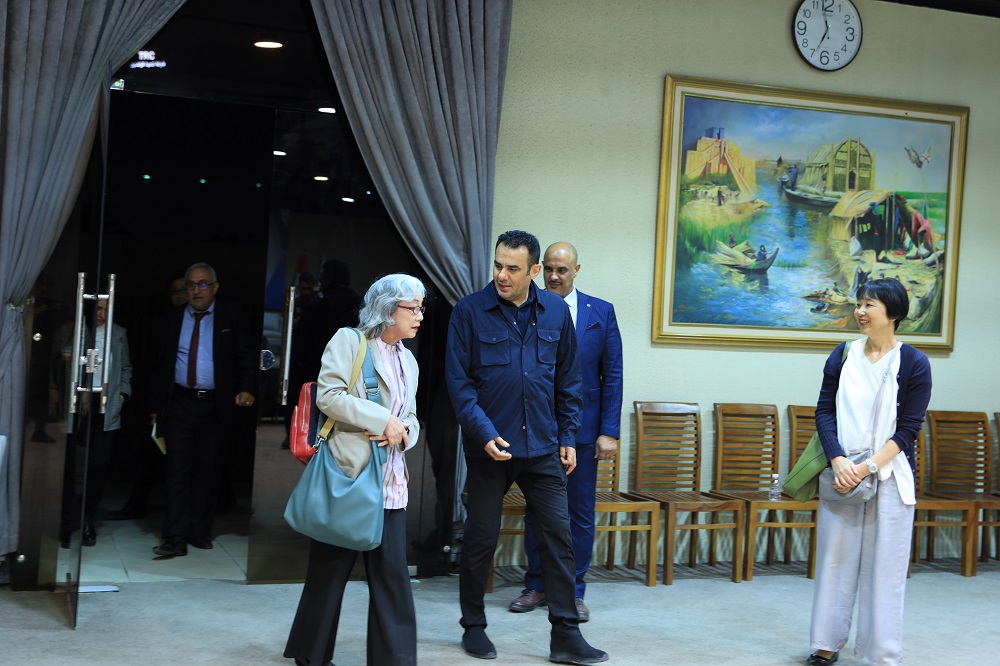
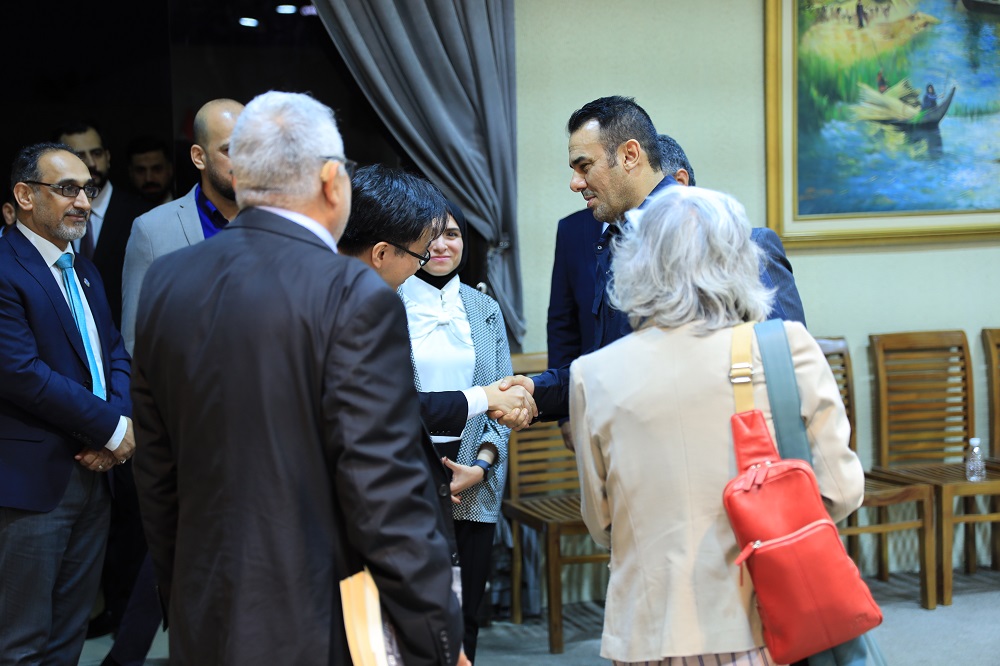
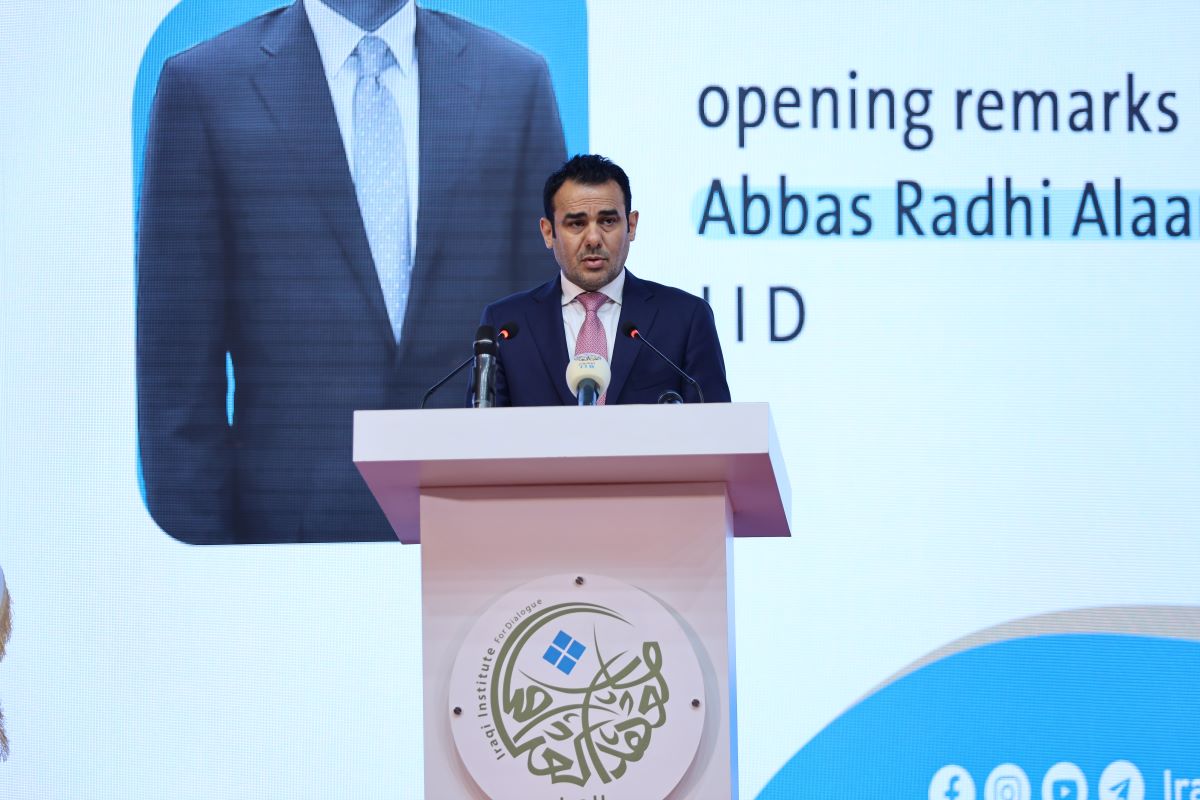
And before the start of the symposium, Dr. Abbas Radi Al-Ameri, Director of the Institute, welcomed the guests and the participating researchers, pointing to the magnitude of the suffering that the Palestinian people are exposed to in light of the silence of the international community and the lack of pressure on the occupation entity to stop the massacre it is currently committing in Gaza.
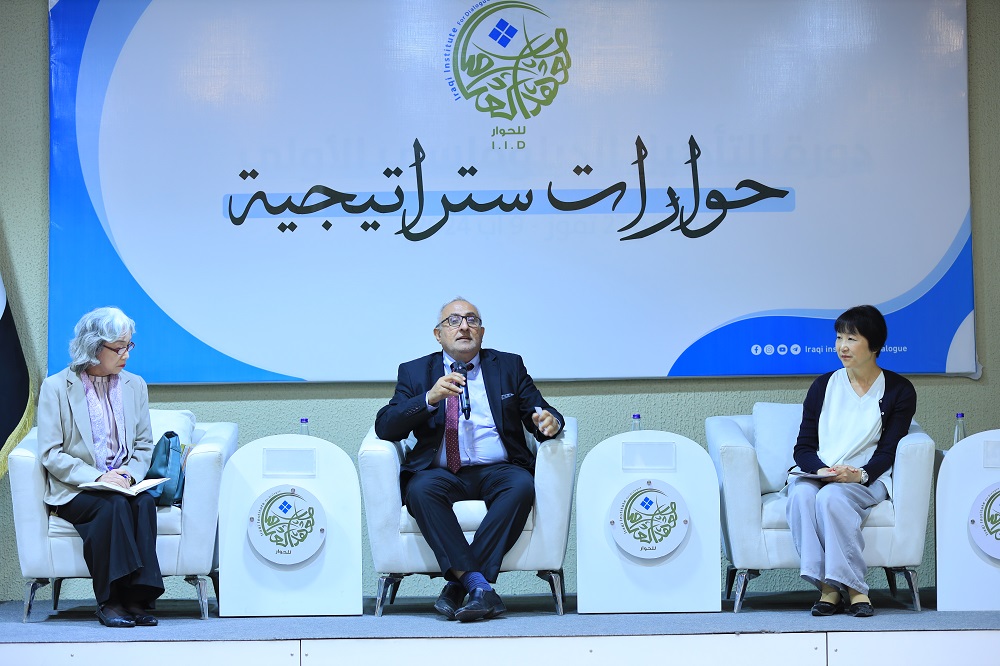
The symposium was moderated by Prof. Dr. Mahmoud Al-Qaisi, who asked several questions to the two researchers (Prof. Keiko Sakai, Dr. Kaoru Yama Moto), for their vision of what is happening in the Middle East and what is happening specifically in Gaza and Lebanon.
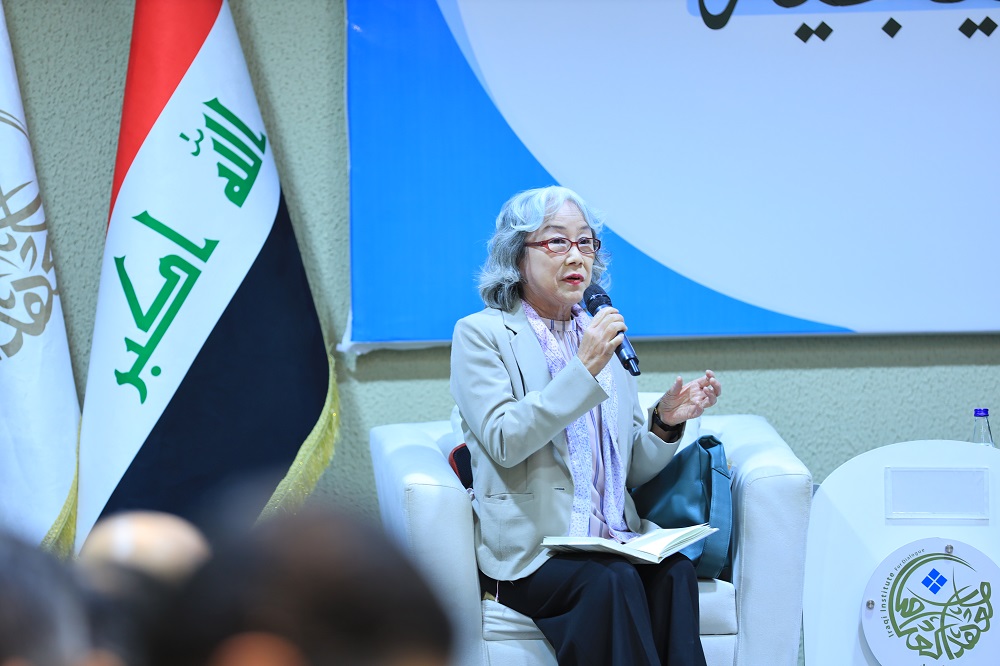
Professor Keiko Sakai said, "After World War II, Japan's view of the Middle East changed and our foreign policies began to align with the policy of the United States of America, and this is what began to be clear about our attitude towards the Palestinian issue."
And we must separate the position of the Japanese people from the government, as our people are sympathetic to Palestine in contrast to the government position, and this is due to the freedom and democracy that exists in our country.
And she explained, "Japan-Israel relations have gained an upward curve over the past three decades, and this has strengthened their strategic partnership with the United States, and Japan has had remarkable positions that have emerged since the beginning of the aggression on the Gaza Strip."
And she pointed out that "the issue of Palestine and the aggression on Gaza has not been lost on the lives of the Japanese, Japan has witnessed many events that called for an end to the genocide war and students of Japanese universities have joined the global movement of students in solidarity with the Gaza Strip for a ceasefire and a cessation of cooperation with the universities of the Zionist entity."

d. Kaoru Yamamoto
"Since she was a student interested in the Palestinian cause, she has joined a permanent movement for the rights of the Palestinian people," said Dr. Kaoru Yamamoto, an assistant professor at Keio University's School of Policy Management who specializes in Arabic literature.
Dr. Yamamoto agreed with what Professor Keiko Sakai said about the need to separate the position of the Japanese people and the government towards the events of the Middle East and the question of Palestine, and said, "We criticize the positions of the government and the Foreign Ministry towards what is happening in Palestine, and they (the government) must reconsider their policy towards Israel's crimes in Gaza."
She noted that "she visited Palestine before the conclusion of the Oslo Accords in 1993, and she lived through the cultural and artistic movement that emerged at the beginning of the first intifada in Palestine (the stone uprising)," adding that "Sabrine's band was one of the first artistic groups in Palestine."
And she explained that one of the factors that did not make Japan care about the issue of Palestine is the "geographical and cultural dimension," and said that "Israel assassinated a Japanese poet who translated poems about Gaza in December 2023."
She also expressed surprise at the lack of position of Arab countries, especially oil producers, in supporting Palestine, adding that "this support from those countries was strong in 1970, as Arab countries used the oil card as a pressure card on the Zionist entity."
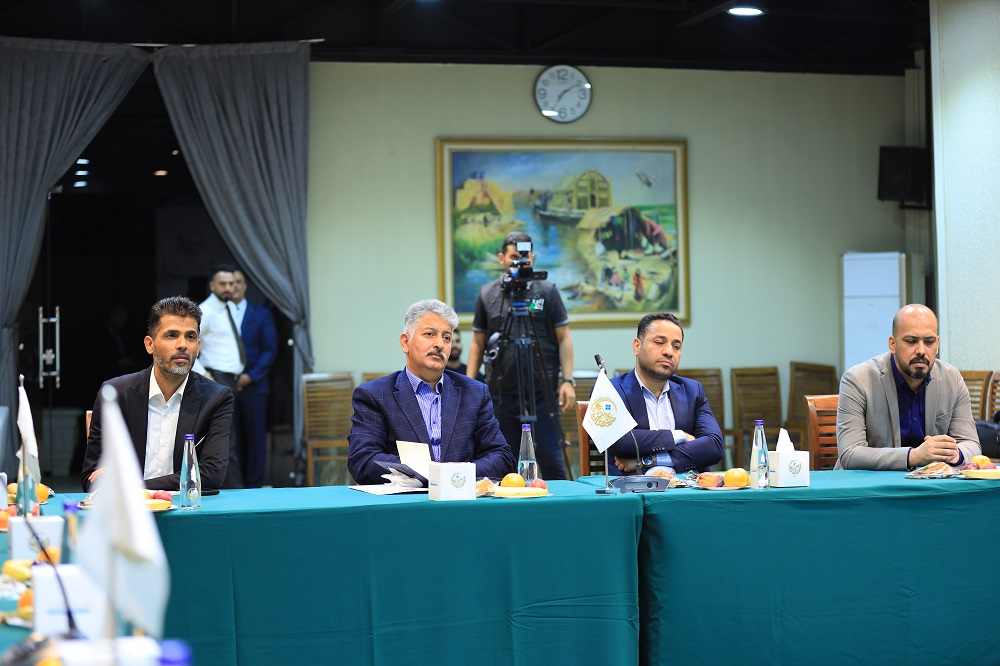
A number of Iraqi researchers also participated in interventions at the end of the symposium, during which they discussed the Japanese position on the Palestinian issue and the aggression on Gaza and Lebanon.



The Iraqi Institute for Dialogue, the logistical sponsor of the Baghdad International Book Fair, opens its own pavilion at the fair
Official agreement between Iraqi Institute for Dialogue and the Iraqi Media Network to sponsor The Seventh Annual International Conference of “Baghdad Dialogue” 2025
The Iraqi Institute for Dialogue publishes "The Diplomatic Portfolio" by Dr. Karrar Al-Badiri

Invitation to the 79th issue of Dialogue of Thought
Prime Minister: The path of development will make Iraq a regional political and economic powerhouse
Speech of the Director of the Iraqi Institute for Dialog at the Sixth Baghdad International Dialog Conference
Seventh Baghdad International Dialogue Conference Call for Papers
Comments