


By: M.M. Ali Razzaq Shehet - Al-Nahrain University, Faculty of Political Science
The Syrian Transformation and the Regional Implications of Regime Collapse
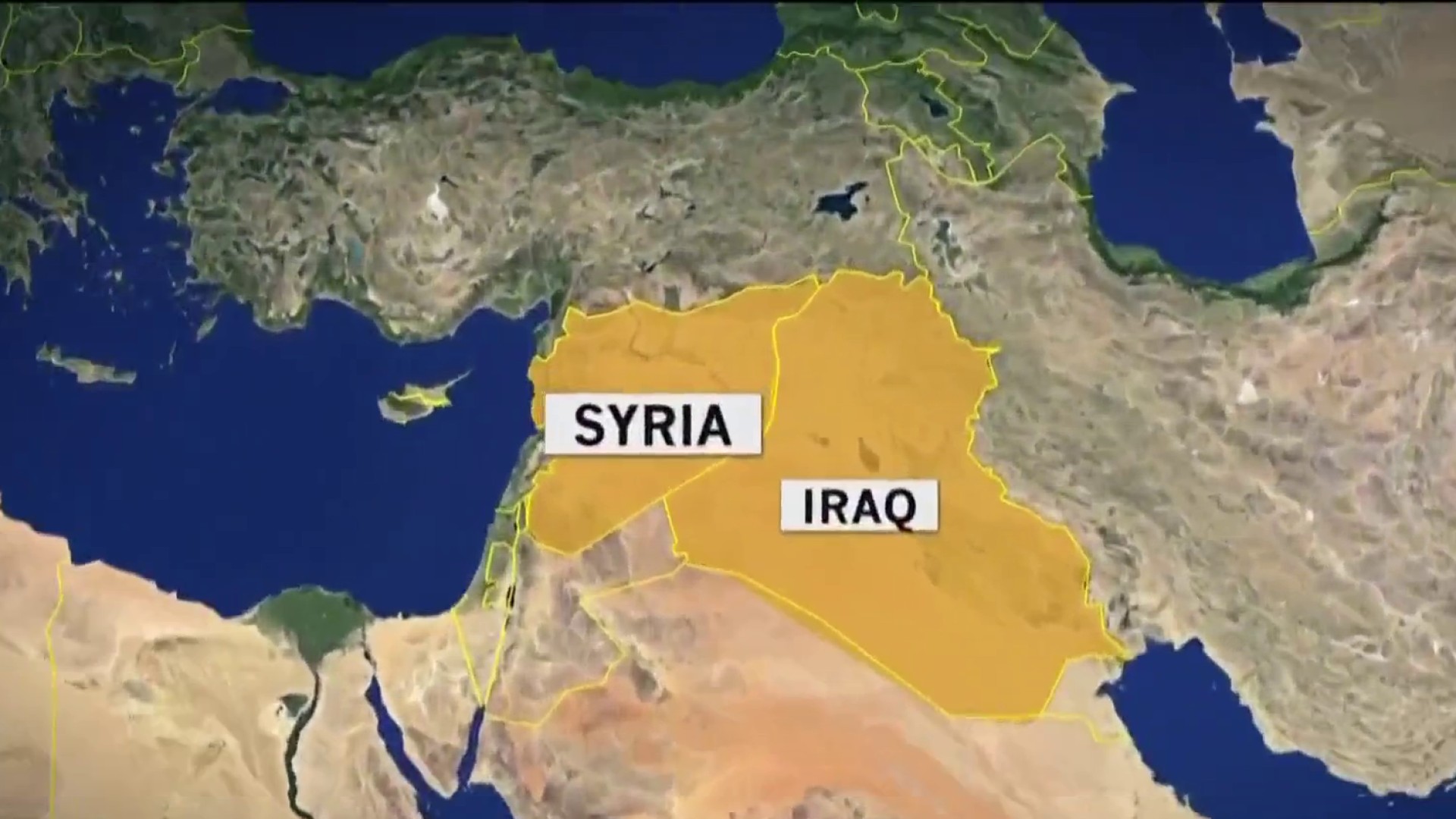
Due to the strategic and vital location of the state of Syria, it has been a theater for the competition of the influence of influential countries in the region, which made it vulnerable to acts of violence and conflicts and a theater for the exchange of roles and influence. The recent resounding defeat of the Syrian army and the collapse of the regime within days, the inability of the regular army to confront the so-called Hayat Tahrir al-Sham, and the fact that many soldiers and officers defected from the regime and joined the armed groups that took over the Syrian territories with sudden speed led to the emergence of two axes, the first axis represented three main players who may shape the future of Syria, namely America, Israel and Turkey, which may enter the conflict.
The countries of the second axis are Iran and Russia, whose influence is gradually diminishing in the Syrian territories. The conflict for the US-Russian axis in the region was and still is a zero-sum game in which the sharing of gains is not allowed due to several considerations, the most important of which is the rejection by the United States of America and its allies of Russian expansion and the threat to their interests. As a result, Russia officially lost its armed presence in the Syrian territories, the Russians lost their most important point of presence in the Middle East and this was a natural thing as they suffer from a war of attrition in Ukraine, to which the United States of America, the only beneficiary of the war there, dragged them, as compared to Russian and European losses on the economic and military levels were the least affected especially since they were the least affected, especially since they
Therefore, the Ukrainian war cast a shadow on Russian expansion, and Russia recently seemed unable to protect even its own territory from the missiles supplied by Ukraine, which began to hit the Russian interior, which made the Russians think realistically about a new reformulation of expansion, changing fronts, and trying to limit, restrict, and focus on the Ukrainian front.
As for the Iranian side, despite its strategic losses in Syria, indications point to the possibility of restoring the Iranian presence in the foreseeable future, as Iran's foreign policy and Syria's geopolitical position constitute a pressing factor on both sides in restoring relations, even if they are built on different foundations than during the Assad regime, and this will certainly depend on the nature of the groups' management of the rudder of government and the way foreign relations are built with neighboring countries, especially since the Iranian position was clear from the first days of the change, which adopted a neutral stance and non-interference in the internal Syrian affairs, and this was declared by Masa
In conclusion, despite the gains obtained by the countries of the first axis, America and Israel, they still fear for their interests if Islamic groups take control of the rudder of government in Syria, as the American experience with Islamic groups is bitter, especially since they are characterized by a rapid change of positions and orientations, as is the case with what happened in Afghanistan and the dominance of the Taliban shortly after the American withdrawal from it, the groups that control the government in Syria may advance to the same step, and what reinforces these fears is what Israel has carried out military strikes that targeted the military facilities, vehicles and airports of the Syrian army for fear of using them from the Syrian army, in order to prevent them from being used by the United States of America. As for Turkey, it can be considered the biggest beneficiary of what happened in Syria, as all indications suggest that what happened there signaled the beginning of a Turkish encroachment that will last for decades.
At the end of the conversation, it is difficult to foresee a clear future for what will become of the events in Syria, especially since the field situation is not based on clear future plans and strategies, it is so far based on the basis of action and reaction, and this is what external countries will invest in increasing their influence and dominance over all the internal options of the new Syrian regime, and it is likely that the groups controlling the government will continue with duplicity in dealing with external interventions, which is a natural act resulting from a change in the balance of international forces affecting the Syrian interior.
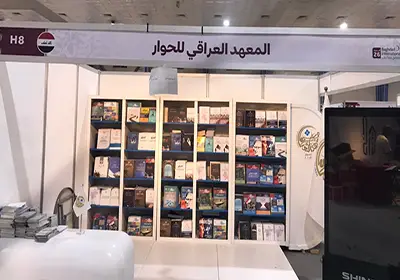
The Iraqi Institute for Dialogue, the logistical sponsor of the Baghdad International Book Fair, opens its own pavilion at the fair
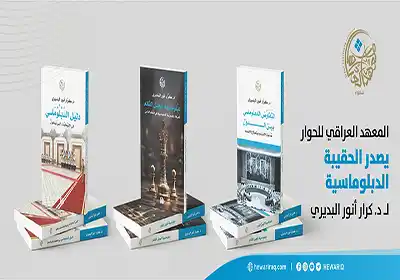
The Iraqi Institute for Dialogue publishes "The Diplomatic Portfolio" by Dr. Karrar Al-Badiri
Official agreement between Iraqi Institute for Dialogue and the Iraqi Media Network to sponsor The Seventh Annual International Conference of “Baghdad Dialogue” 2025
Invitation to the 79th issue of Dialogue of Thought
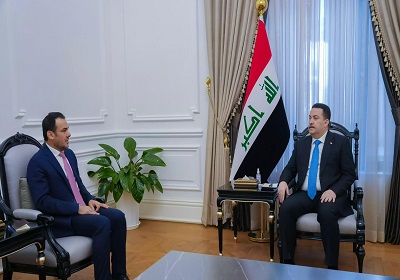
Prime Minister: The path of development will make Iraq a regional political and economic powerhouse
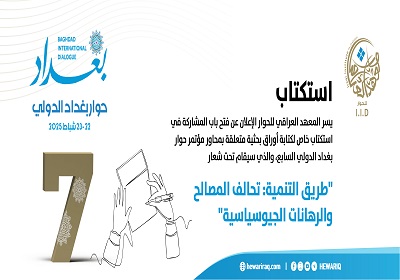
Seventh Baghdad International Dialogue Conference Call for Papers
Praise for the Baghdad International Dialogue: Strengthening Iraq's pivotal role and a meeting point for visions
Comments