


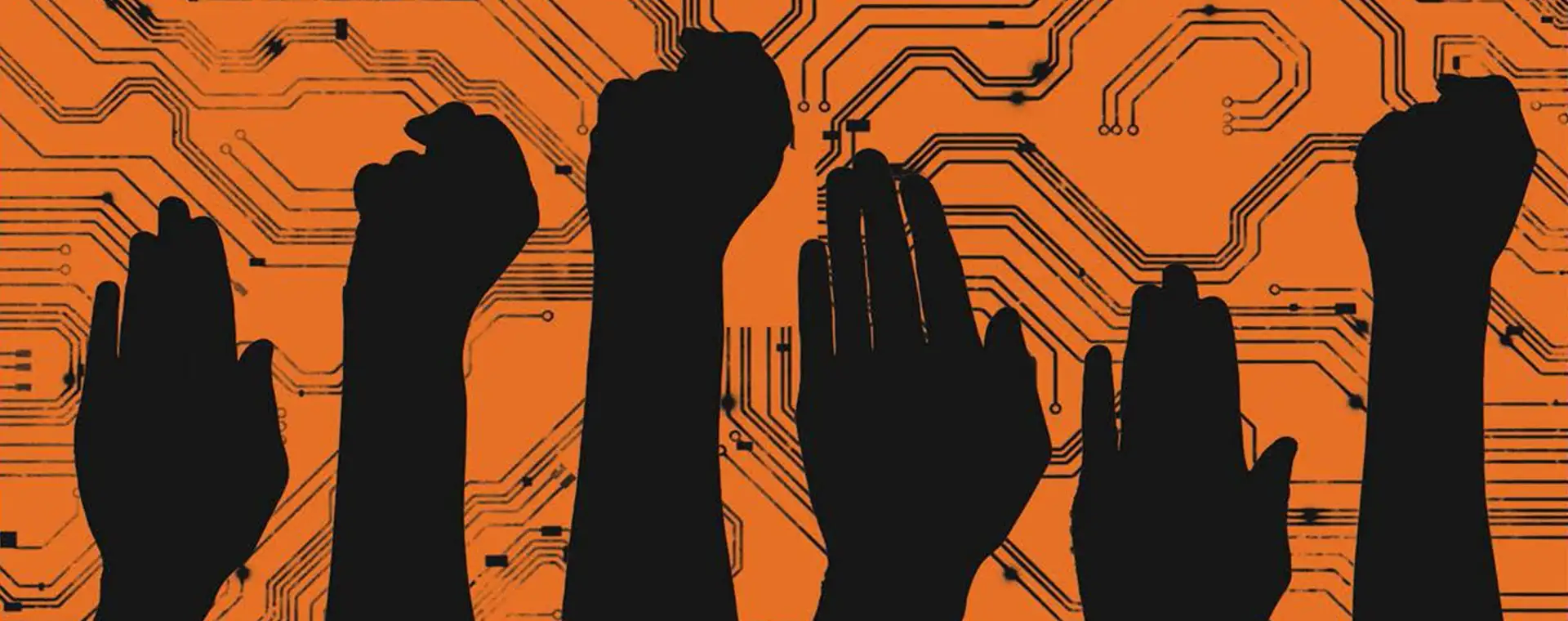
Democracy and the destructive dangers of AI
New technologies such as generative artificial intelligence (AI) are increasingly impacting democratic systems and are being used in ways that threaten the integrity of elections and influence public discourse. In a report published by the Carnegie Europe Institute and written by Raluca Chernatony, a researcher specialized in technology and democracy, it was pointed out that these advanced tools allow actors to spread disinformation and manipulate public opinion on a large scale, raising fundamental questions about the future of democracy in light of this technological development.
Generative models such as ChatGPT and DALL-E allow for the creation of diverse content including text, images, videos, and synthetic audio files. Despite their creative potential, they represent a dangerous tool in the hands of malicious actors who can exploit them to spread fake news, promote political propaganda and discredit opponents. One of the most prominent challenges facing democracies due to AI is large-scale disinformation, where fake content can be disseminated faster and wider than the ability of governments and censors to deal with it, such as fake photos of former US President Donald Trump and singer Taylor Swift, in addition to direct manipulation of electoral processes, as happened in the 2024 US elections through fake photos and videos that spread widely on social media platforms. Similar challenges emerged in Britain and Slovakia when fake audio clips of political leaders went viral before being verified.
Election manipulation is no longer limited to the dissemination of fake content, but includes the weaponization of AI tools to enhance information warfare strategies such as the use of targeted propaganda images and contributing to the dissemination of messages of extremism and violence through what is known as meme warfare.
Malicious actors can use chatbots to spread false information widely and quickly, further complicating the media environment and distorting public debate. Psychologically, this disinformation creates cognitive disorientation for the public, as the proliferation of fake content leads to informational confusion, making it difficult for individuals to distinguish between truth and fraud. This in turn seriously affects public trust in democratic institutions and traditional media.
Women in the political sphere also face greater threats from fake and distorted content aimed at damaging their reputations and undermining their political standing, especially through content that includes sexual misrepresentations and misleading personal attacks. These attacks can affect women's political participation and reinforce negative stereotypes associated with them.
On a broader level, authoritarian regimes are using AI to enhance internal control and external interference in the affairs of other countries. China is a prime example, using AI technologies to censor and control media content. It also exports these tools through its "Digital Silk Road" project to developing countries and authoritarian regimes such as Bangladesh, Colombia, and the Philippines, strengthening their control over their populations. Countries such as Russia, Iran, and Venezuela are also using AI technologies to spread misleading propaganda and weaken democratic societies.
To counter these threats, Raluca Chernatony proposes a comprehensive, multi-pronged approach in her report. Strict legislation such as the EU's Artificial Intelligence Law, which requires companies to put in place mechanisms to detect fake content such as digital watermarks, must be enacted. Advanced technical tools to detect fake content must be developed and media organizations must be trained to use them effectively. This also requires a pivotal role for social media platforms, which should implement more transparent policies regarding fake content, such as enforcing checks before posting sensitive content.
The educational aspect is equally important as societies need to promote digital awareness, as Finland has done with its national AI awareness programs to empower citizens to understand the risks and critically evaluate content.
In the end, the report concludes that confronting AI threats requires a concerted effort between governments, media organizations, technology companies and civil society with a focus on striking a balance between technological innovation and maintaining the integrity of democratic processes.

The Iraqi Institute for Dialogue, the logistical sponsor of the Baghdad International Book Fair, opens its own pavilion at the fair
Official agreement between Iraqi Institute for Dialogue and the Iraqi Media Network to sponsor The Seventh Annual International Conference of “Baghdad Dialogue” 2025

The Iraqi Institute for Dialogue publishes "The Diplomatic Portfolio" by Dr. Karrar Al-Badiri

Invitation to the 79th issue of Dialogue of Thought
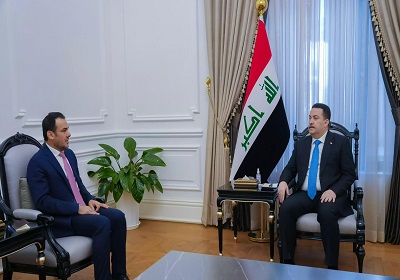
Prime Minister: The path of development will make Iraq a regional political and economic powerhouse
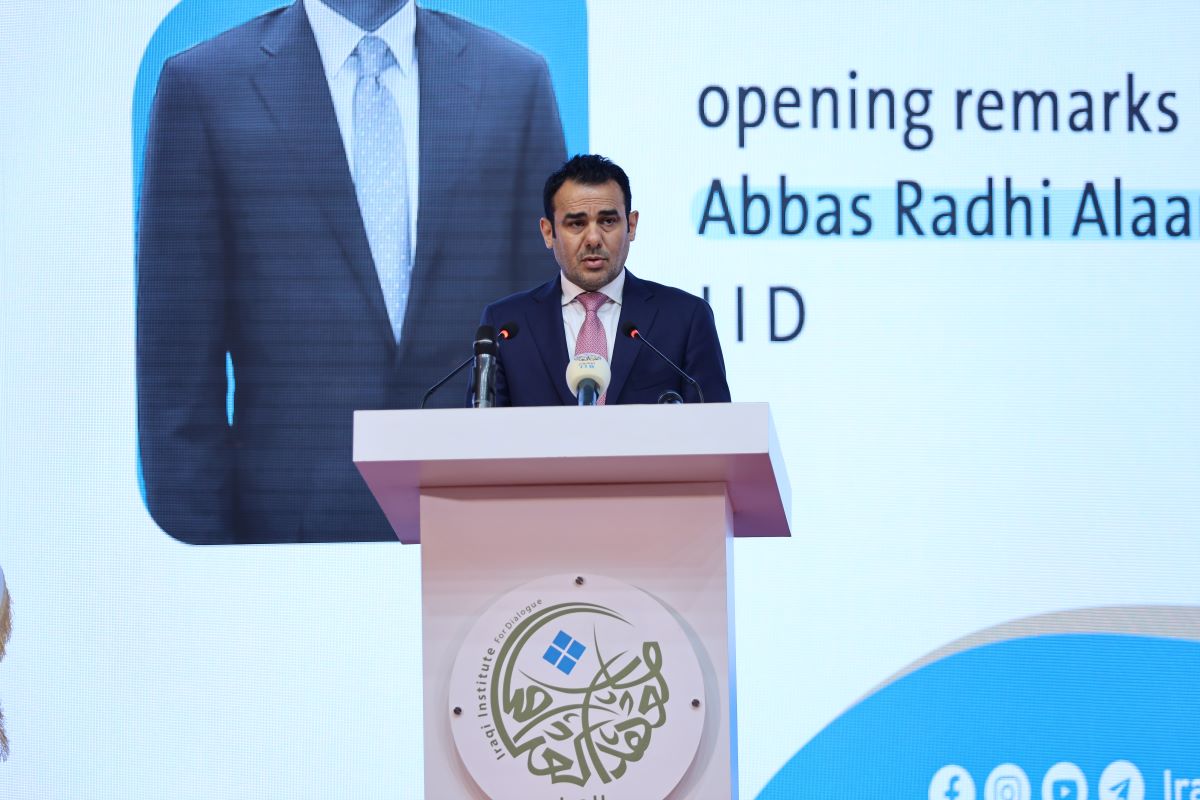
Speech of the Director of the Iraqi Institute for Dialog at the Sixth Baghdad International Dialog Conference
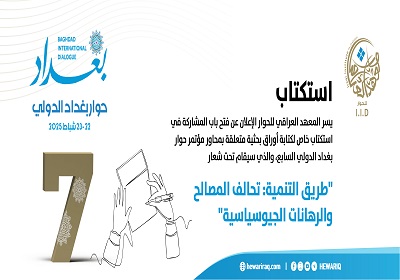
Seventh Baghdad International Dialogue Conference Call for Papers
Comments