


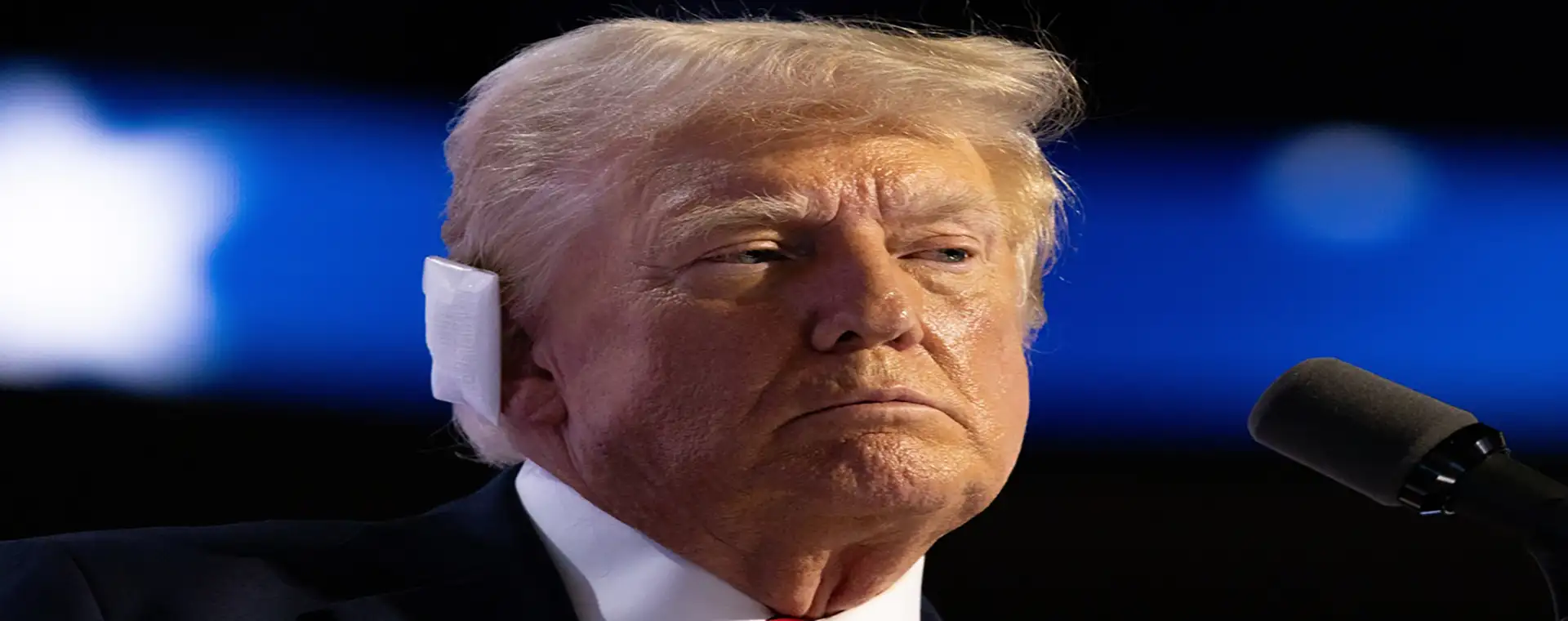
Donald Trump's Machiavellian instincts
"Donald Trump's Machiavellian Instincts" by Jacob Heilbrunn sheds light on the political nature of US President Donald Trump, exploring how Trump has employed a Machiavellian approach to power and political opponents.
Trump and Machiavelli: Understanding Power and Manipulation
The article begins by noting that Niccolò Machiavelli, the Italian political philosopher, has long advised rulers on how to maintain power by using pragmatism, deception when necessary, and the importance of a leader being feared rather than loved. Trump has adopted many of these principles, whether consciously or not, as he has always been willing to challenge political norms and act in unconventional ways to achieve his goals.
Use of media and direct communication
The article explains how Trump has used the media, especially social media platforms like Twitter, to his advantage. Instead of relying on traditional media outlets, Trump preferred to communicate directly with his audience, enabling him to control the media narrative, generate controversy, and constantly attract attention. He also realized that stirring up emotions, whether positive or negative, enhances his political impact.
Saddamist approach: Establishing prestige through fear
The author points out that Trump was not only seeking to win people's love, but he preferred to be a figure of fear and controversy, which is in line with the advice of Machiavelli, who saw fear as a more effective tool in politics than love. For this reason, Trump did not hesitate to enter into public conflicts, whether with his political opponents, the media, or even some members of his own Republican Party.
Divisions and Critical Moments
The article draws attention to the fact that Trump has been adept at exploiting political and social divisions to strengthen his position, presenting himself as a defender of the "forgotten Americans" against the political elites. He has also capitalized on crises-such as the coronavirus pandemic and social protests-to solidify his image as a leader capable of making bold, if controversial, decisions.
Challenges and risks in the Machiavellian approach
Despite Trump's success in utilizing these strategies, the author warns that the Machiavellian approach is not without risks. While fear-mongering may help consolidate power in the short term, it can lead to political isolation and loss of support in the long term, especially if the leader cannot deliver stability and tangible results.
Conclusion: Trump and Machiavelli's lesson
The article concludes by noting that Trump's political instincts show an innate understanding of Machiavelli's principles, but he faces the challenge of striking a balance between using fear to maintain power and preserving his political legitimacy. If he is unable to manage this balance properly, he may find himself facing a backlash from voters or even from within his own party.

The Iraqi Institute for Dialogue, the logistical sponsor of the Baghdad International Book Fair, opens its own pavilion at the fair

The Iraqi Institute for Dialogue publishes "The Diplomatic Portfolio" by Dr. Karrar Al-Badiri
Official agreement between Iraqi Institute for Dialogue and the Iraqi Media Network to sponsor The Seventh Annual International Conference of “Baghdad Dialogue” 2025

Prime Minister: The path of development will make Iraq a regional political and economic powerhouse

Invitation to the 79th issue of Dialogue of Thought
Seventh Baghdad International Dialogue Conference Call for Papers
Praise for the Baghdad International Dialogue: Strengthening Iraq's pivotal role and a meeting point for visions
Comments