


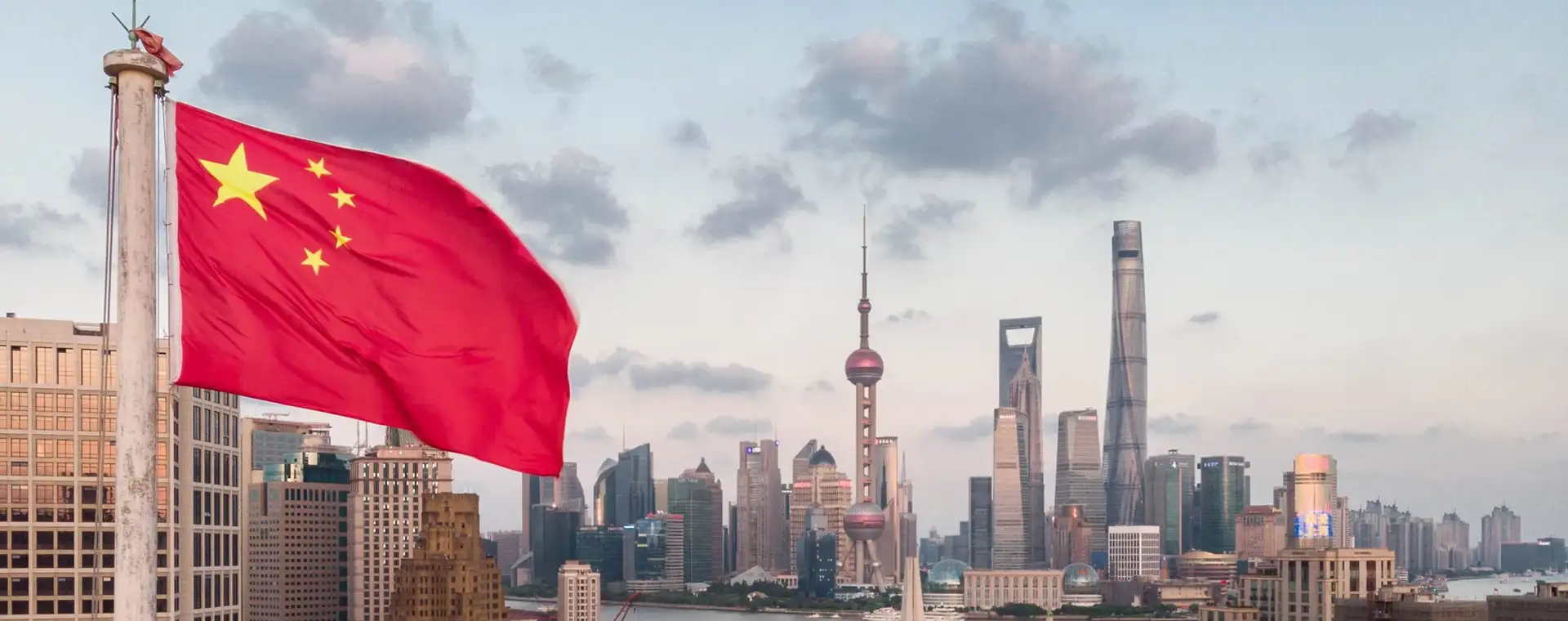
How China exerts its retaliatory influence
The article, "The Powerful Game: How China exerts its retaliatory influence," published in Modern Diplomacy on February 17, 2025, examines how China uses its economic and diplomatic power to respond to external challenges, especially in the context of trade wars and policies against its interests.
China's response to sanctions and trade restrictions
The article explains that China has become more aggressive in its responses to policies that target it, especially when it comes to trade and the economy. After the United States imposed a 10 percent tariff on Chinese imports, Beijing immediately responded by announcing countermeasures and filing a formal complaint with the World Trade Organization (WTO). This action demonstrates how China is using legal and diplomatic mechanisms, along with direct economic actions, to protect its interests.
Chinese Investigations as a Tool of Pressure
China's retaliatory policies are not limited to the United States, but extend to other countries such as the European Union and Canada. For example, when the EU imposed restrictions on Chinese companies, China began launching official investigations into European products, a well-known tactic used as a political and economic pressure card. Similarly, when Canada imposed restrictions on certain Chinese products, China responded by imposing similar restrictions on Canadian products, showing Beijing's willingness to reciprocate without hesitation.
China's Role in Asia and Influence on Regional Powers
The article notes that Asian countries, such as India and South Korea, are watching China's actions closely. India, for example, has revised its economic relations with China after border confrontations, while South Korea seeks to balance its relationship with both China and the United States without antagonizing either side.
China's "carrot and stick" tactic in international politics
The article shows how China not only retaliates, but also uses economic diplomacy as a tool to enhance its influence. For example, when some countries strengthen their ties with China and show cooperation, Beijing offers economic concessions, such as lower tariffs or massive infrastructure investments. Conversely, when countries adopt policies hostile to China's interests, Beijing resorts to trade and investment restrictions.
China and the Reshaping of the Global Economic Order
The article emphasizes that China is not just a major economic player, but a force capable of reshaping the global economic system through its strategic moves. Some analysts believe that this policy reflects Beijing's desire to reduce the dominance of the United States and the European Union in the global economy and restore the balance in its favor.
Conclusion
The article concludes that China has become more assertive in defending its interests and no longer hesitates to use its economic power as a diplomatic weapon. While some see these policies as strengthening China's position on the international stage, others warn that this strategy may lead to escalating tensions with the West, which could create new challenges to global economic stability.
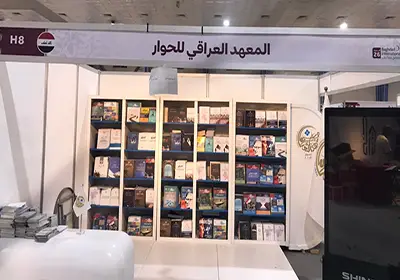
The Iraqi Institute for Dialogue, the logistical sponsor of the Baghdad International Book Fair, opens its own pavilion at the fair
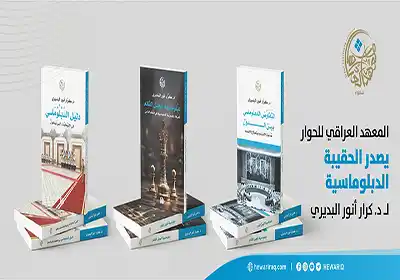
The Iraqi Institute for Dialogue publishes "The Diplomatic Portfolio" by Dr. Karrar Al-Badiri
Official agreement between Iraqi Institute for Dialogue and the Iraqi Media Network to sponsor The Seventh Annual International Conference of “Baghdad Dialogue” 2025
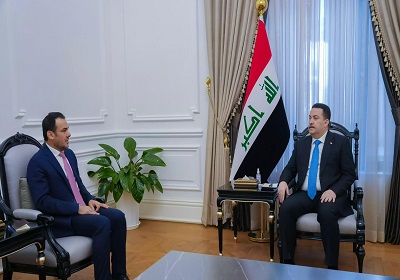
Prime Minister: The path of development will make Iraq a regional political and economic powerhouse
Invitation to the 79th issue of Dialogue of Thought
Seventh Baghdad International Dialogue Conference Call for Papers
Praise for the Baghdad International Dialogue: Strengthening Iraq's pivotal role and a meeting point for visions
Comments