


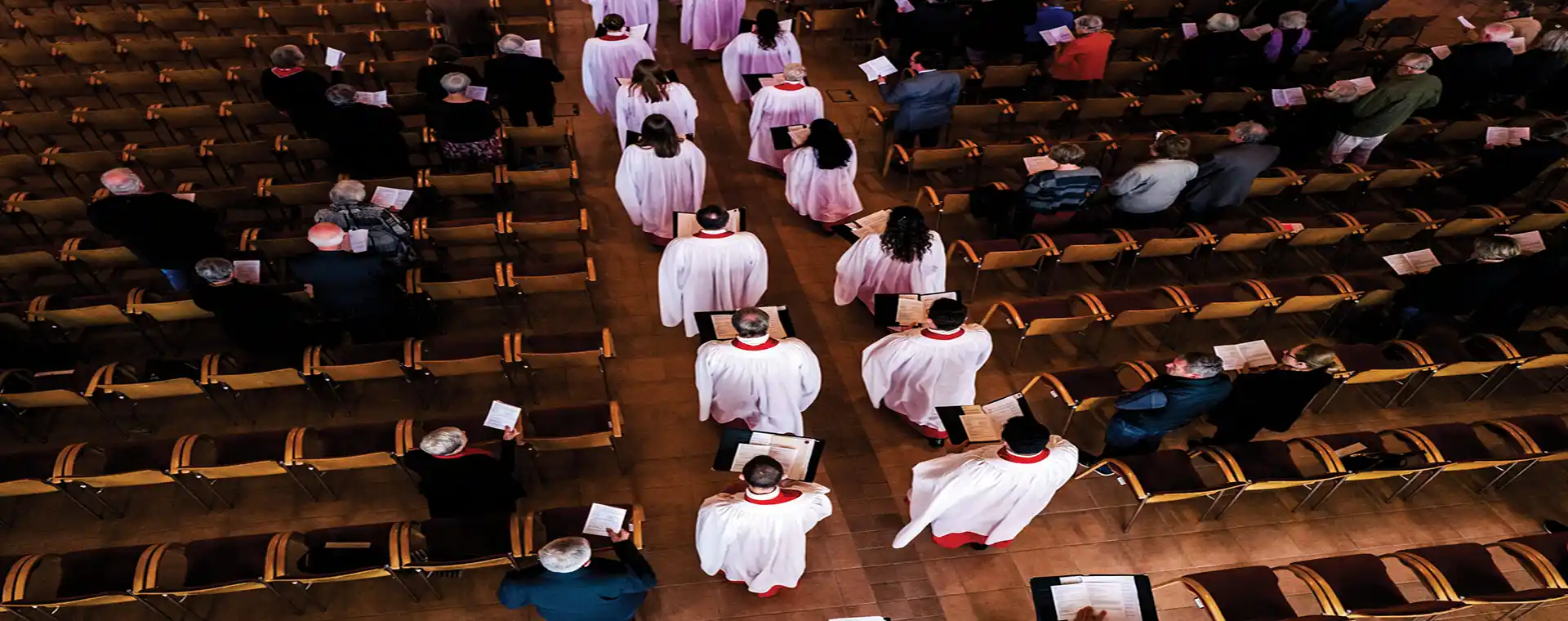
Swiss political elite more religious than the people?
Political leaders in Switzerland show a stronger attachment to religion than the general population, a new study suggests, raising questions about the relationship between politics and faith in the country.
Key findings of the study
According to research conducted by the University of Bern, a large proportion of Swiss politicians at national and local levels self-identify as religious, compared to lower levels of religiosity among the general population. The study, which covered a wide range of politicians, found that faith still plays an important role in shaping their views on social and political issues.
The disparity between the political elite and society
In recent decades, Switzerland has seen a decline in public religiosity, with more people identifying themselves as agnostic or non-religious.
However, the study reveals that many prominent politicians still retain religious values that influence their decisions and behavior in public life.
Percentage of religiosity: The data showed that politicians are more likely to attend religious services regularly, compared to the general population.
The influence of faith on politics: Many of the politicians surveyed stated that their faith influences their positions on issues such as immigration, education, and social welfare.
Religious parties and orientations: Some parties, especially centrist and conservative parties, tend to have a higher percentage of religious members than leftist or liberal parties.
What are the reasons for this discrepancy?
Researchers point to several historical and cultural factors that could explain why Switzerland's political elite remains relatively more religious:
The historical role of religion in shaping the political system: Religion has always been an influential factor in Swiss political values, especially in traditional parties.
Identity and personal values: Some politicians believe that faith gives them a moral compass for making political decisions.
The interaction between religion and civil society: Many politicians are active in religious or charitable organizations, reinforcing their connection to faith.
Implications for Swiss politics
In a country characterized by religious and cultural diversity, these findings raise questions about how religious beliefs influence public policies and legislation. Does this mean that politicians are more conservative than voters? Or is religion being used as a tool to promote moral values in politics?
While Switzerland remains one of the most secular countries in Europe, this study suggests that religion is still present, at least within the circles of political power.
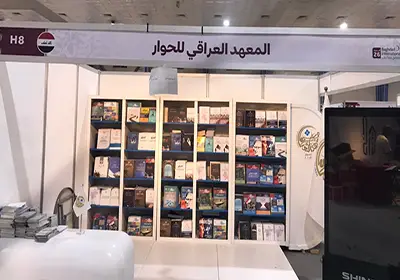
The Iraqi Institute for Dialogue, the logistical sponsor of the Baghdad International Book Fair, opens its own pavilion at the fair
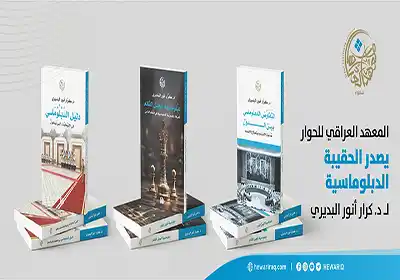
The Iraqi Institute for Dialogue publishes "The Diplomatic Portfolio" by Dr. Karrar Al-Badiri
Official agreement between Iraqi Institute for Dialogue and the Iraqi Media Network to sponsor The Seventh Annual International Conference of “Baghdad Dialogue” 2025
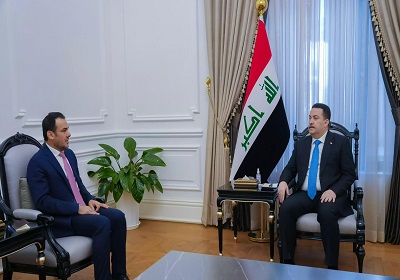
Prime Minister: The path of development will make Iraq a regional political and economic powerhouse
Invitation to the 79th issue of Dialogue of Thought
Seventh Baghdad International Dialogue Conference Call for Papers
Praise for the Baghdad International Dialogue: Strengthening Iraq's pivotal role and a meeting point for visions
Comments