


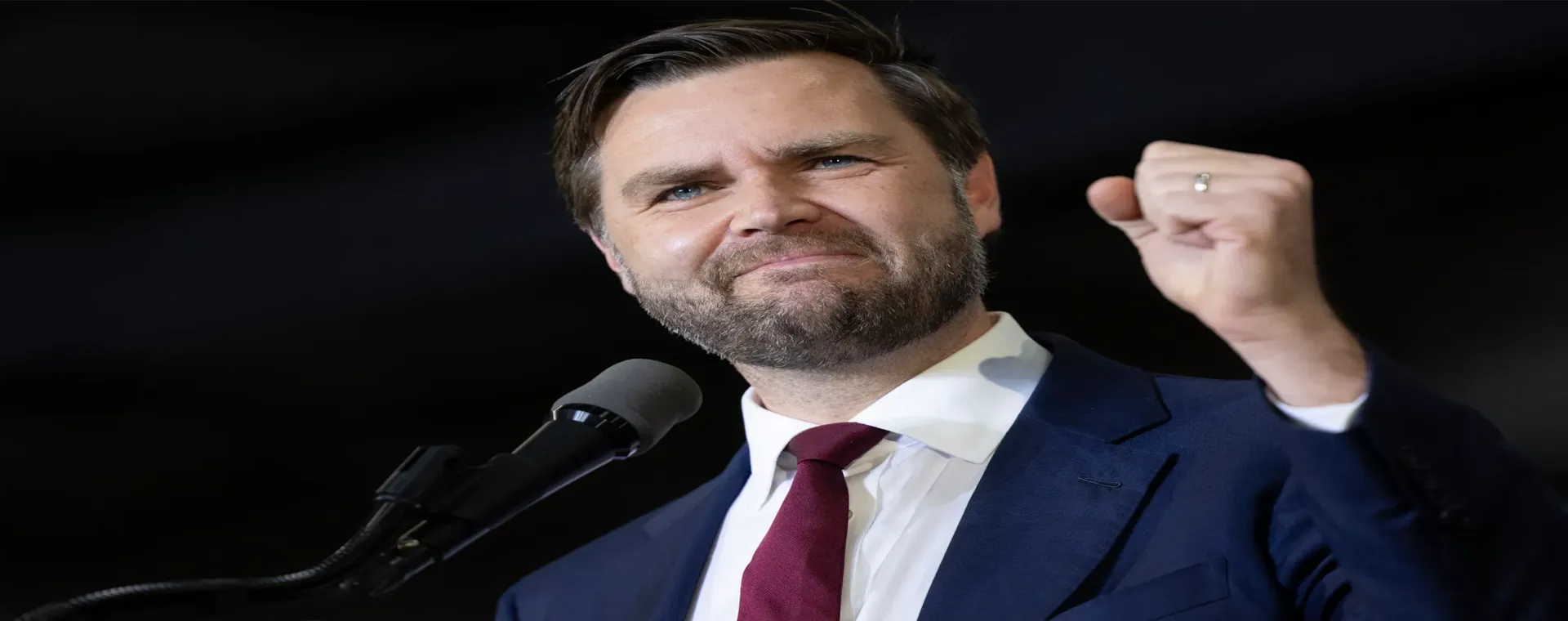
What is G.D.'s outlook? D. D. Vance's worldview and why is it important?
The recent White House controversy has torn apart the U.S.-Ukraine alliance and provoked strong reactions among European leaders, highlighting the key role played by J.D. Power. D.D.. Vance's powerful articulation of Donald Trump's foreign policy. The U.S. vice president has emerged as a "fighter" on the global stage, but what factors are driving his overall worldview?
Speech at the Munich Security Conference
He threw G. De. Vance delivered his first major foreign speech at the Munich Security Conference in mid-February, to the surprise of many. Instead of focusing on the war in Ukraine, the deadliest conflict in Europe since World War II, Vance made only a cursory reference to it. Instead, he used the opportunity to criticize U.S. allies for immigration policies and restrictions on free speech, suggesting that these policies indicate that European political organizations have become undemocratic.
Vance accused European governments of ignoring the wishes of their people and questioned what kind of values their alliance with the United States stands for. Vance said: "If you're afraid of your voters, America can't do anything for you, and you can't do anything for America."
A strong voice in foreign policy
This bold, and perhaps unexpected, approach was Vance's way of defining himself on the world stage, unleashing the wrath of America's European allies. Then, Vance was back at the center of controversy after his heated confrontation with Ukrainian President Volodymyr Zelensky, accusing him of a lack of appreciation for the United States. For those who have been following Vance's rise, these incidents were not surprising.
Vance represents the intellectual wing of the conservative movement, articulating an ideology that he believes connects American workers with global elites and the role of the United States in the world. Earlier last year, Vance spent much of his time criticizing Democrats - a role that usually falls to the campaign partner of a presidential candidate.
Ukraine's position on Ukraine and its tension with allies
During the campaign, Vance issued a stern warning to the Ukrainian president, saying: "You should thank the United States and the president who is trying to save your country." That statement made European leaders rush to Zelensky's defense as they sought to preserve peace talks.
Later, Vance mocked the security assurances plan that proposed sending troops "from a country that hasn't seen a war in 30 or 40 years," drawing the ire of Europeans. Although he denied that he was referring to Britain or France, these two countries have announced their willingness to send peacekeepers to Ukraine.
A Realistic View of Foreign Policy
The way Vance treats America's allies reflects his vision for foreign policy, saying he doesn't have time to "talk about morality about who is a good country and who is a bad country."
He explained in an article in the New York Times that it does not mean being "morally blind," but rather being honest about the countries you are dealing with. This vision reflects critical thinking on his part towards the US foreign policy establishment, which he believes has failed to understand reality.
A change in Vance's political tune
Since his time in the U.S. Senate, Vance's tune has changed dramatically. Democratic Senator Cory Booker said Vance has become a "practical, rational person," which is unusual for him.
David Frum, a writer for The Atlantic, noted that his view of Vance has changed dramatically since he was a student at Ohio State University and wrote an article about his conservative politics 15 years ago. Back then, he said, Vance was far from the "culture warrior" he is today.
Attitude toward Russia and Putin
When talking about the suppression of freedom of expression in Western countries, Vance avoided mentioning repression in Russia. However, he refused to be accused of being allied with Russian President Vladimir Putin. In his Munich speech, Vance emphasized that he never said Putin was a good or likable person, but made it clear that the U.S. can engage in diplomacy with Russia as long as it serves America's interests.
Focusing more on the China threat than Ukraine
Vance focuses on the threat of China, which he sees as "our biggest competitor ... for the next 20 or 30 years. for the next 20 or 30 years," and believes that the Ukraine crisis should not distract the U.S. from larger challenges. These views paint a clear picture of Vance's ideology and his important role in shaping U.S. foreign policy.
Special translation for the Iraqi Institute for Dialogue by Mike Wendling, BBC journalist
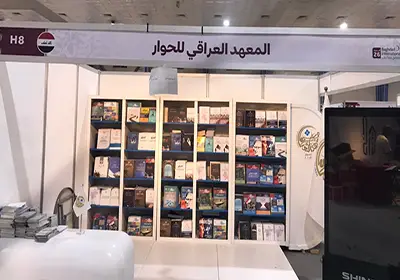
The Iraqi Institute for Dialogue, the logistical sponsor of the Baghdad International Book Fair, opens its own pavilion at the fair
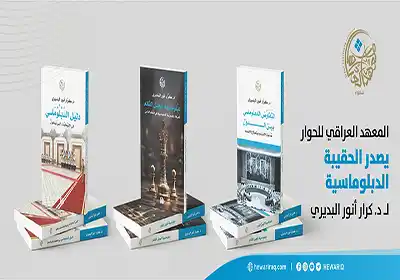
The Iraqi Institute for Dialogue publishes "The Diplomatic Portfolio" by Dr. Karrar Al-Badiri
Official agreement between Iraqi Institute for Dialogue and the Iraqi Media Network to sponsor The Seventh Annual International Conference of “Baghdad Dialogue” 2025
Invitation to the 79th issue of Dialogue of Thought
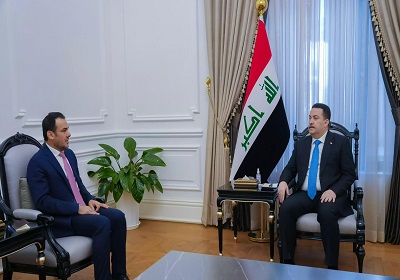
Prime Minister: The path of development will make Iraq a regional political and economic powerhouse
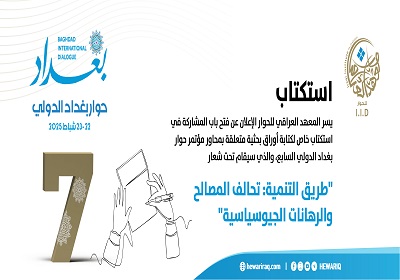
Seventh Baghdad International Dialogue Conference Call for Papers
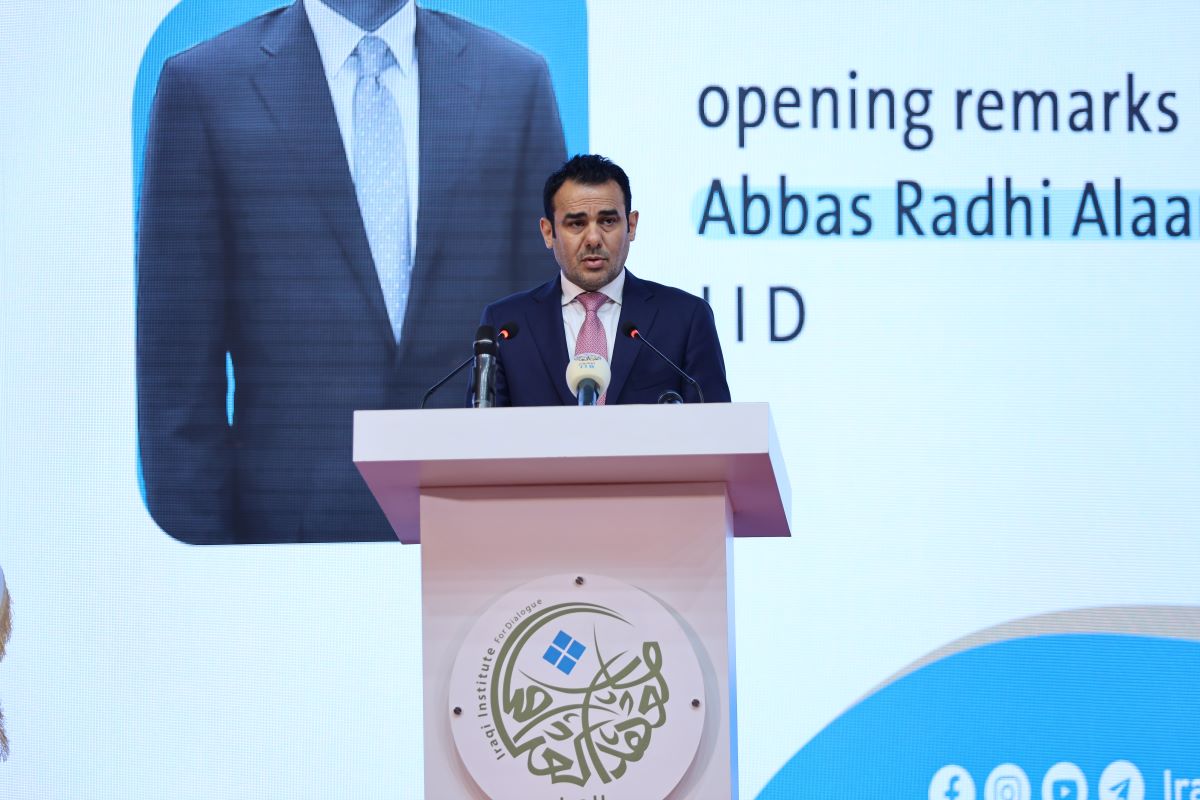
Speech of the Director of the Iraqi Institute for Dialog at the Sixth Baghdad International Dialog Conference
Comments