


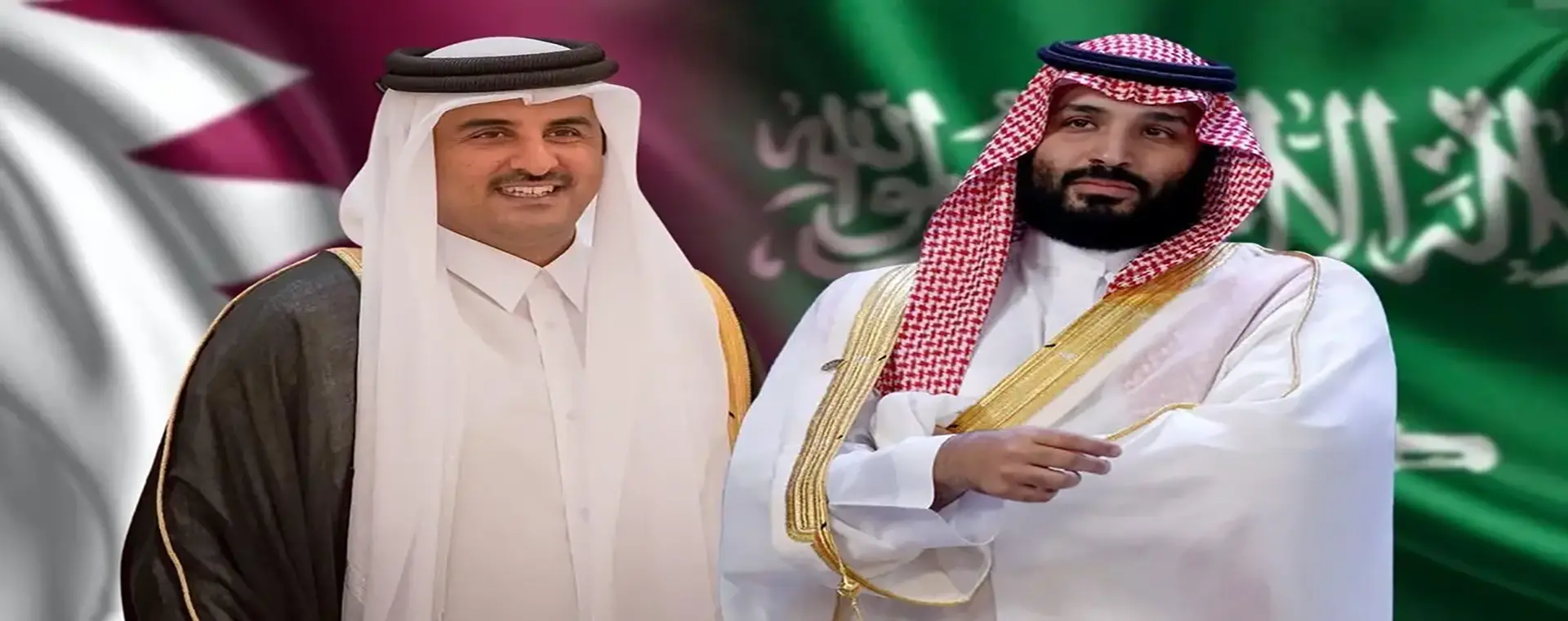
Why have Saudi Arabia and Qatar become peace brokers?
Saudi Arabia and Qatar have chosen to play the role of mediators in multiple conflicts, thanks to their privileged relationships with world powers. Saudi Arabia, led by Mohammed bin Salman, is working to stabilize the Middle East and pursue economic interests, while Qatar, under the guidance of Hamad bin Khalifa Al Thani, is pursuing strong ties with multiple parties to achieve peace.
Doha and Riyadh have different approaches, with Saudi Arabia focusing on formal parties and Qatar engaging with non-traditional groups such as Hamas and the Taliban, which has allowed it to play an influential role in peace negotiations.
On Tuesday, officials from the United States and Ukraine met in Saudi Arabia to discuss the possibility of a peace deal with Russia. Saudi Arabia was chosen because of Crown Prince Mohammed bin Salman's close ties to both Russian President Vladimir Putin and U.S. President Donald Trump.
Qatar, on the other hand, has mediated many peace agreements over the years, such as the ceasefire between Israel and Hamas in Gaza. The question here is why these two countries decided to play the role of mediators and how these relationships affect their rivalry.
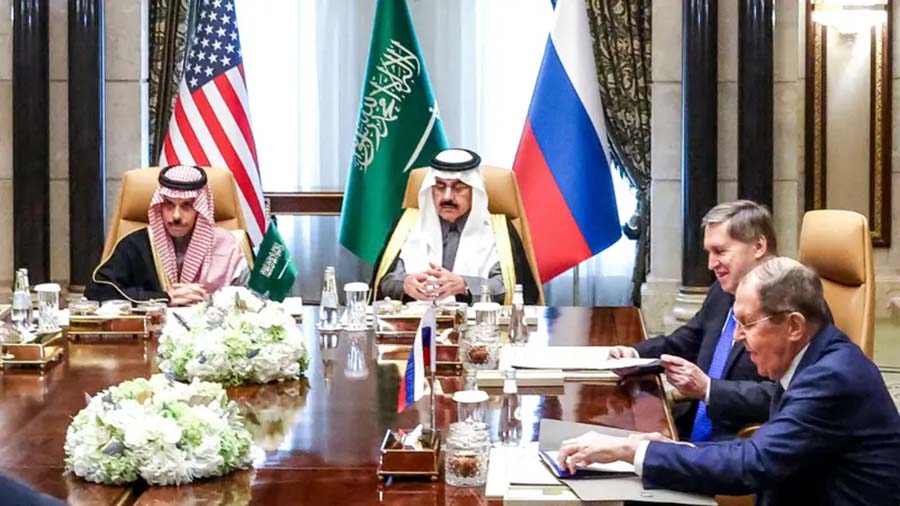
Why is Saudi Arabia seeking to broker peace?
After several years of adopting a more aggressive approach, Saudi Arabia has now chosen to play the role of peace broker. It intervened in Yemen's civil war in 2015 to support the government against the Houthis, carrying out air and artillery attacks.
In recent years, Saudi leaders are seeing that mediating peace agreements yields greater benefits than escalation. Experts point out that this is part of its strategy to improve stability in the region, reduce its dependence on oil exports and attract investments to develop new economic sectors.
In 2017, the Lebanese government accused Saudi Arabia of detaining its Prime Minister Saad Hariri to force him to resign. In 2018, journalist Jamal Khashoggi was killed in the Saudi consulate in Istanbul by government agents, sparking widespread criticism against Riyadh.
However, some experts argue that the Saudi leadership has realized that brokering peace yields greater benefits than escalation and is part of its strategy to improve stability in the region and diversify the economy away from oil.
Paul Salem of the Middle East Institute in Washington said: "Initially, the period of MBS's leadership was accompanied by conflict and clashes." He added to the BBC: "But now, the Saudi leadership has come to the realization that mediating for peace agreements provides greater benefits than escalating conflicts."
Elizabeth Dent of the Washington Institute for Middle East Studies said Saudi Arabia is focusing on mediation to stabilize the region, as part of its strategy to reduce dependence on oil exports and attract foreign investment to develop the economy.
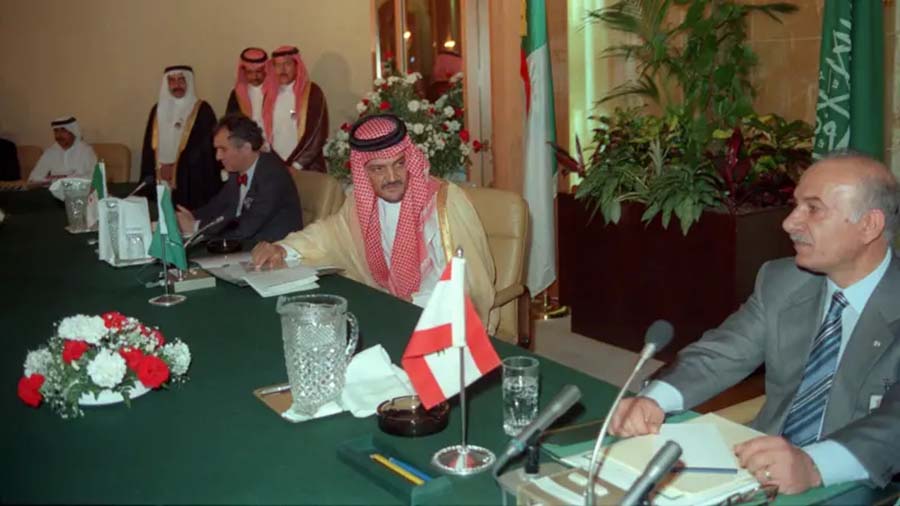
What are Saudi Arabia's successes in brokering peace agreements?
Saudi Arabia has a long history of brokering peace in the Middle East. It helped broker the 1989 Taif Agreement to end the Lebanese civil war and the 2007 Mecca Agreement between Hamas and Fatah.
In recent years, under the rule of Mohammed bin Salman, the country has once again returned to playing the role of peace broker. Saudi Arabia has been negotiating with Yemen's Houthi rebels since 2022 to reach a ceasefire in the country.
Riyadh has also hosted lengthy talks between the parties to Sudan's war, including the country's military rulers, the Sudanese Armed Forces (SAF), and its rival militia group, the Rapid Support Forces (RSF).
In recent years, Saudi Arabia has played a prominent role in peace negotiations in Yemen and Sudan, and expanded its efforts in managing prisoner exchange negotiations between Russia and Ukraine in 2022.
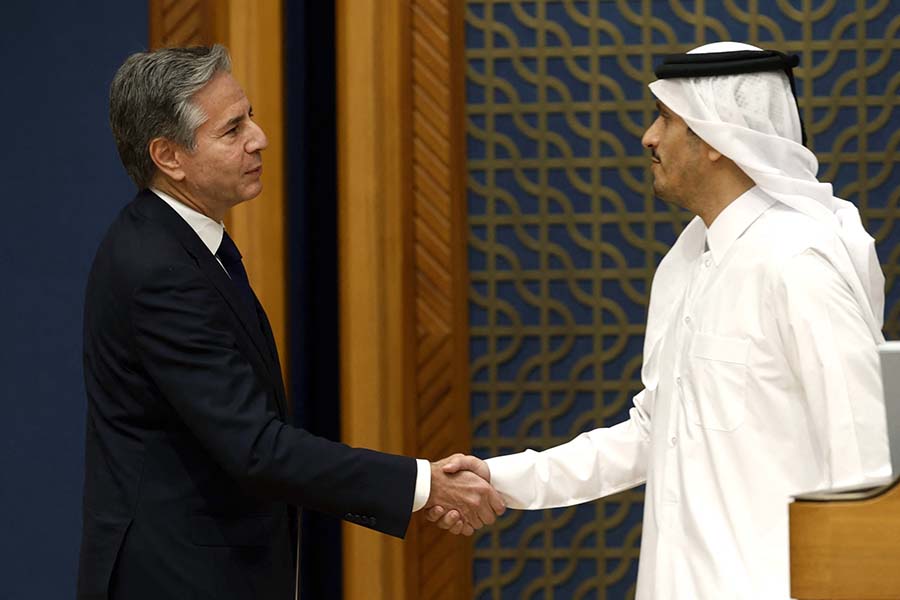
What peace agreements has Qatar brokered?
In January 2025, Qatar played a key role among a group of countries (along with Egypt and the United States) that successfully brokered a ceasefire between Israel and Hamas.
The country brokered the 2020 peace deal between the Taliban and the United States that ended the 18-year Afghan war. Under the deal, the US and its allies withdrew from the country, and the Taliban took power in the Afghan government.
Qatar brokered a ceasefire between the Yemeni government and Houthi rebels in 2010, which ultimately failed. Doha has also brokered peace agreements in Africa.
One such agreement was a ceasefire reached in 2022 between the Chadian government and dozens of opposition groups.
Another is the peace agreement signed in 2010 between the Sudanese government and armed groups in the country's western Darfur region.
In 2008, Qatar brokered an agreement between rival factions in Lebanon when tensions between them threatened to escalate into a new civil war.
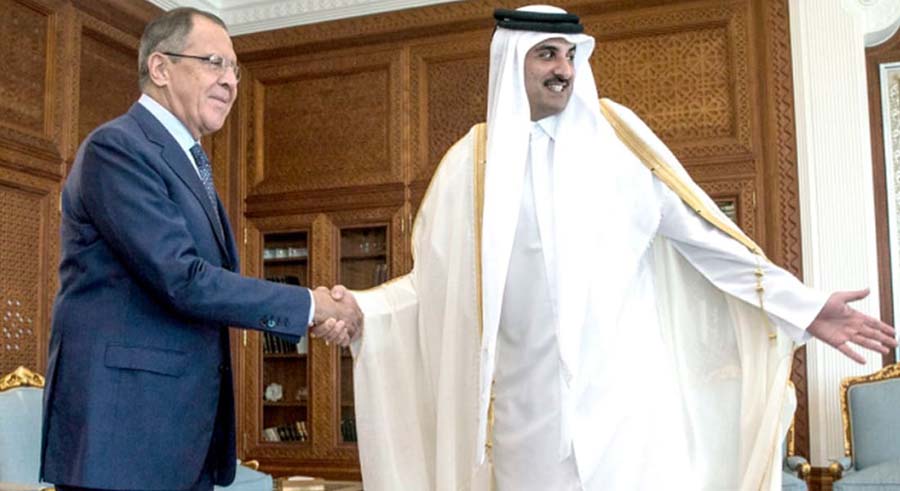
Why does Qatar want to be a peace broker?
Qatar has been playing the role of peace broker since Hamad bin Khalifa Al Thani came to power in 1995 (he remained in power until 2013).
One of the main reasons for this decision was Qatar's desire to develop the North Dome-South Pars gas field in the Persian Gulf, which was discovered in 1990.
According to Helper of the Royal United Services Institute in London, since the field extends across the territorial waters of Qatar and Iran, Qatar needs to cooperate with Iran to exploit it, even though Iran was considered a rival to Saudi Arabia at the time.
"When Qatar discovered its gas field, it realized it needed a way to develop it," he told the BBC: "When Qatar discovered its gas field, it realized it needed to find a way to develop it."
He said Qatar chose the role of peace broker because "having broad positive relations with many countries provides it with a network of countries to help and support it."
The role of peace broker is enshrined in Qatar's constitution, which was adopted in 2004.
Says Paul Salem: "Qatar has chosen international mediation as one of its national attributes, and has presented itself as a country that others can turn to."
How do Saudi Arabia and Qatar differ in acting as peace brokers?
Qatar angered Saudi Arabia by supporting Muslim Brotherhood-affiliated politicians during the Arab Spring, including backing Mohamed Morsi, who became president of Egypt in 2012 and was ousted a year later.
Qatar is often chosen as a mediator in peace agreements because of its ties to groups that Saudi Arabia and other countries want to deal with.
Says Salem: "Unlike Saudi Arabia, Qatar has no deep-rooted animosity toward Islamist groups such as the Muslim Brotherhood, Hamas and the Taliban."
He says the ties Qatar built with the Taliban helped the country build a bridge between the group and the United States. Qatar's ties with both Hamas and Israel made it possible to broker the recent ceasefire between them.
Ms. Dent says: "Saudi Arabia is negotiating with formal and recognized parties, while Qatar is negotiating with informal and unconventional groups."
But Qatar has angered Saudi Arabia by supporting groups such as the Muslim Brotherhood, which the Saudi government considers a threat to its rule.
Ms. Dent said: "During the Arab Spring [2010 and 2011], Qatar provided unconditional support to opposition groups in countries like Syria and Libya."
This led to a diplomatic crisis known as the "Gulf Rift" in 2017, in which Saudi Arabia and several other countries in the Middle East severed all ties with Qatar.
Ms. Dent says: "After this crisis, Qatar did not go so far as to support extremist groups without coordinating with its neighbors," she says, adding, "Qatar is now acting more neutrally in the role of mediator."
According to H.D.. D. Heller, Qatar and Saudi Arabia are not competing with each other to broker peace agreements.
He says: "Qatar no longer wants to compete with Saudi Arabia, and Riyadh is not willing to interfere in Qatar's affairs." "Unfortunately, there are still many conflicts in the world that keep both countries busy."

The Iraqi Institute for Dialogue, the logistical sponsor of the Baghdad International Book Fair, opens its own pavilion at the fair
The Iraqi Institute for Dialogue publishes "The Diplomatic Portfolio" by Dr. Karrar Al-Badiri
Official agreement between Iraqi Institute for Dialogue and the Iraqi Media Network to sponsor The Seventh Annual International Conference of “Baghdad Dialogue” 2025

Invitation to the 79th issue of Dialogue of Thought
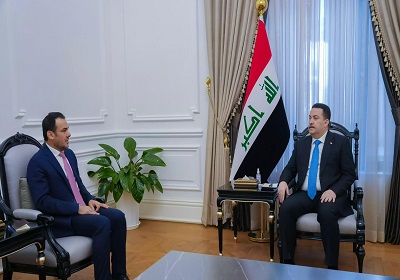
Prime Minister: The path of development will make Iraq a regional political and economic powerhouse
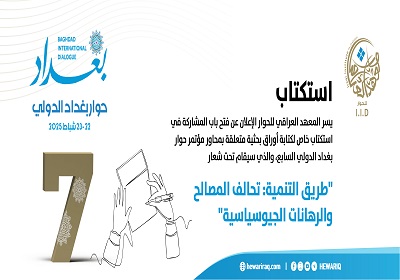
Seventh Baghdad International Dialogue Conference Call for Papers
Praise for the Baghdad International Dialogue: Strengthening Iraq's pivotal role and a meeting point for visions
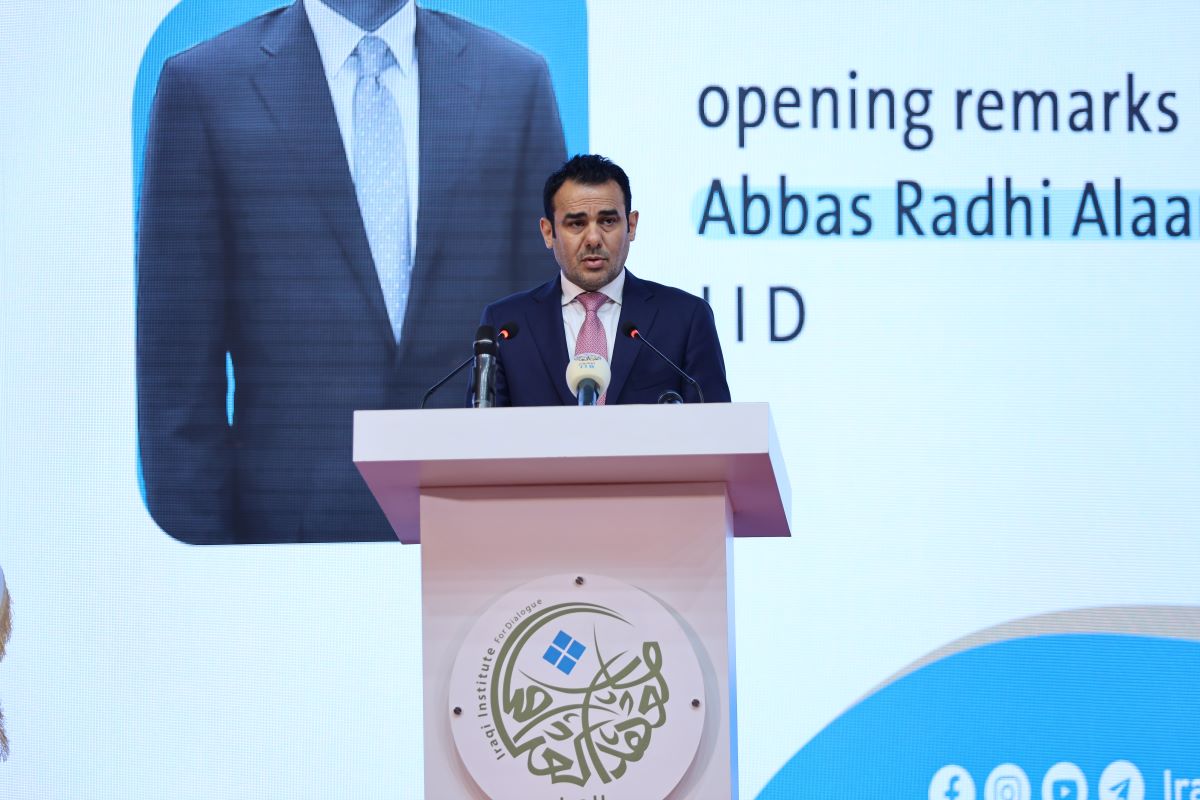
Comments