


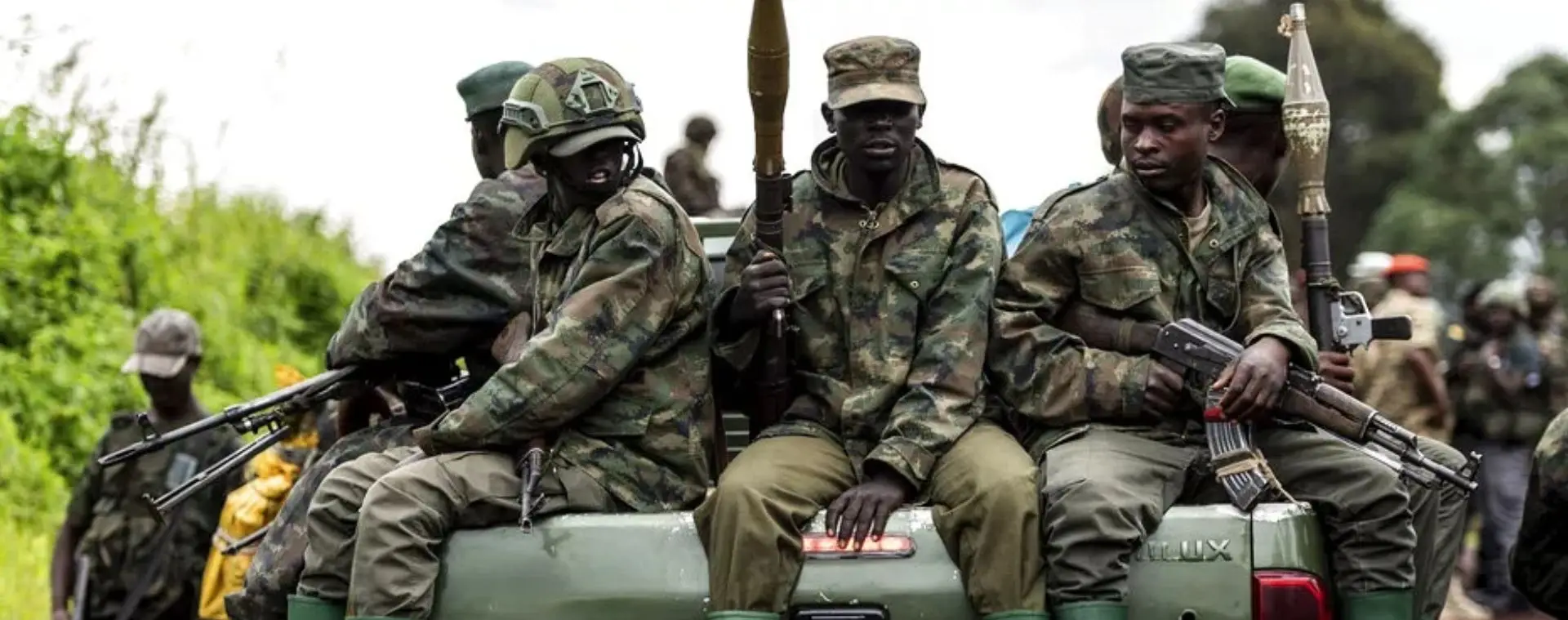
China's repositioning amid the DRC conflict
The clashes in eastern DRC have led to a shift in China's traditional stance of neutrality, with Beijing criticizing Rwanda's support for the rebels.
China had previously taken a commercial approach, avoiding intervening in conflicts. But the escalation in the mining region, such as the Coltan, has forced China to adjust its position due to the effects of this conflict on its economic interests in Congo, with its relations with Rwanda strained, despite continued diplomatic cooperation.
China's long-established policy of neutrality in African conflicts is facing a major shift as violence escalates in the eastern Democratic Republic of Congo (DRC). Rwanda-backed M23 rebels recently seized key cities, prompting Beijing to publicly criticize Rwanda for its military support for the movement.
This change reflects China's keenness to strike a delicate balance between maintaining strong economic ties with both Rwanda and the DRC, and ensuring the safety of its commercial interests in the mineral-rich region.
China's evolving response to regional unrest
Historically, China has refrained from taking sides in African conflicts, prioritizing its broader commercial interests. This approach has included avoiding criticizing African governments involved in conflicts. For example, China has been largely silent on the series of coups in West Africa's Sahel region since 2020, urging leaders to consider the welfare of their citizens. According to Professor Zhou Yuyuan of the Shanghai Institutes of International Studies, China has adhered to a policy of non-interference in the internal affairs of other countries, usually calling for diplomatic solutions through international organizations such as the United Nations or the African Union.
The resurgence of M23 rebels in eastern DRC, which began in 2021, has prompted a reassessment of this position. The M23, comprised mostly of Tutsis, claims to be defending minority rights and responding to the Congolese government's failure to abide by the peace agreement. Initially, China's comments were ambiguous, criticizing "foreign forces" for supporting the rebels.
However, recent statements have explicitly referred to Rwanda, coinciding with significant territorial gains by the M23, including the capture of Goma and Bukavu. In February, China's ambassador to the United Nations called on Rwanda to cease its military support for the M23 and withdraw its troops from DRC territory.
Drivers of China's Transformation
Experts suggest that the recent shift in China's position may be influenced by UN reports detailing Rwanda's involvement with M23.
Professor Zhu points out that the situation has persisted long enough for the international community to recognize the underlying issues without having to remain silent. Although China's criticism of Rwanda is a marked departure from its usual diplomatic approach, it remains relatively mild, expressing hope rather than outright condemnation.
The urgency of this shift may also stem from China's vested interests in the DRC's mineral wealth. The ongoing conflict is mainly centered in the provinces of North Kivu and South Kivu, where many Chinese-run gold mines are located. The M23's control of areas rich in coltan ore, a vital resource for electronics, further complicates the situation.
The DRC is responsible for about 40% of the world's coltan supply, and any disruption in mining operations could significantly affect China's imports. M23 is reportedly smuggling coltan into Rwanda, resulting in Rwanda's coltan exports increasing by 50% between 2022 and 2023, raising concerns about the repercussions on China's supply chain.
China's military intervention and diplomatic relations
China has provided military supplies to both Rwanda and the Democratic Republic of Congo over the past two decades. The Rwandan army has received Chinese armored vehicles, artillery and anti-tank missiles, while the Congolese armed forces have purchased Chinese drones and armored personnel carriers. Despite allegations of Rwanda arming the M23, it remains unclear whether the rebel group is using Chinese weapons.
Despite the tensions, both Rwanda and the Democratic Republic of Congo insist that their relations with China remain strong. The Rwandan embassy in Beijing has emphasized the continued excellence of their relations, while discussions between Chinese officials and Congolese leaders have continued, though details have not been made public.
Chinese economic interests in both countries are firmly rooted, with massive investments under the Belt and Road Initiative (BRI). In Rwanda, China has funded infrastructure projects, including schools and highways, while in the DRC it has ensured access to vital mineral resources through loans and large-scale infrastructure investments.

The Iraqi Institute for Dialogue, the logistical sponsor of the Baghdad International Book Fair, opens its own pavilion at the fair
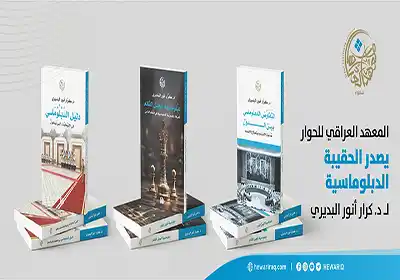
The Iraqi Institute for Dialogue publishes "The Diplomatic Portfolio" by Dr. Karrar Al-Badiri
Official agreement between Iraqi Institute for Dialogue and the Iraqi Media Network to sponsor The Seventh Annual International Conference of “Baghdad Dialogue” 2025
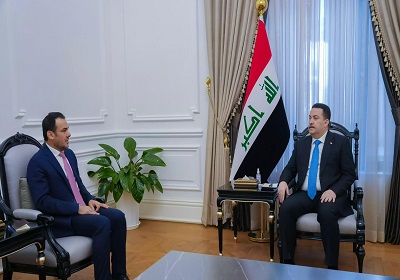
Prime Minister: The path of development will make Iraq a regional political and economic powerhouse
Invitation to the 79th issue of Dialogue of Thought
Seventh Baghdad International Dialogue Conference Call for Papers
Praise for the Baghdad International Dialogue: Strengthening Iraq's pivotal role and a meeting point for visions
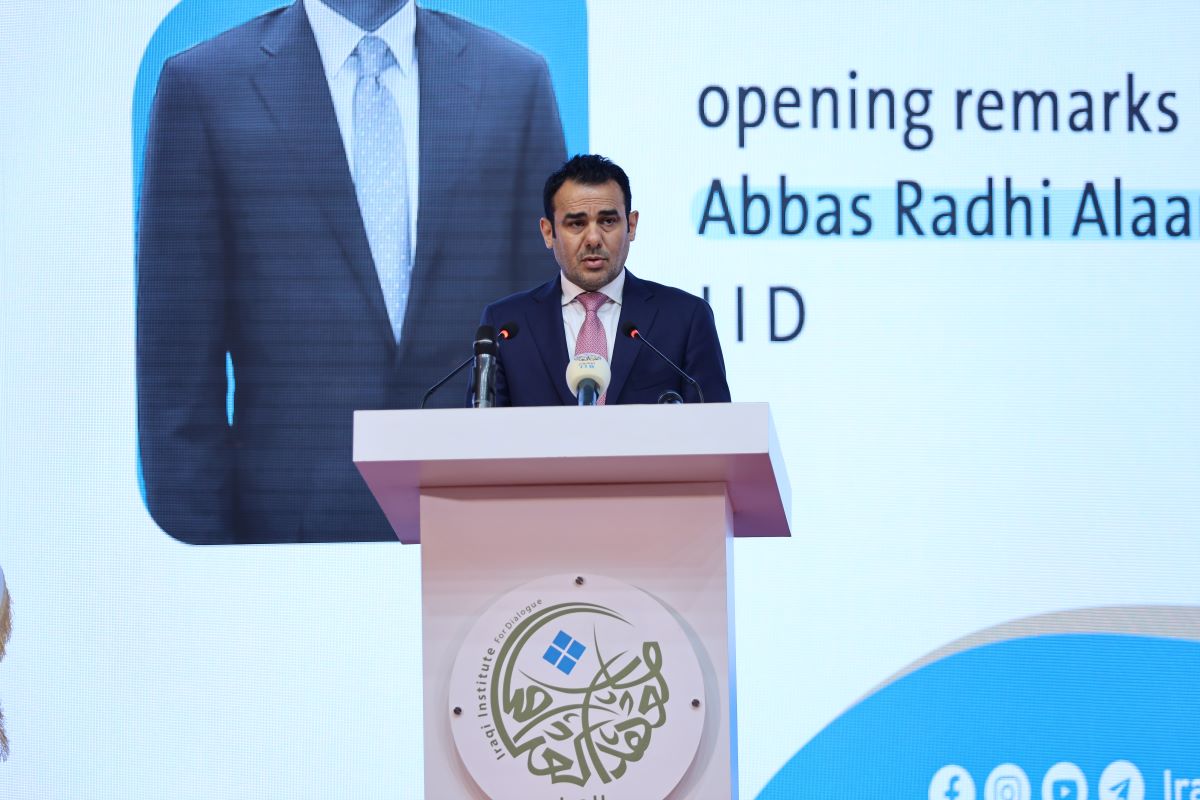
Comments