

Translation: Iraqi Institute for Dialog
Center for Peace Empowerment in Iraq identifies top ten U.S. interests in Iraq
The US-based Center for Peace Empowerment in Iraq has identified ten key interests of the United States in Iraq that make US engagement in the country extremely important, warning at the same time that some policies recently adopted by the Trump administration, such as cutting funding for the United States Agency for International Development (USAID), have a role in hindering the securing of these vital interests, which can be summarized as follows:
I: Counterterrorism and U.S. National Security
U.S. support for Iraqi security institutions is critical to fighting ISIS and the global war on terrorism and preventing the emergence of a new generation of jihadists and the expansion of jihadist activity in the region. Although there are jihadist activities in areas such as Asia and Africa, Iraq and Syria remain the main centers of ISIS activity.
II: Regional Stability and Countering Iran's Weapons of Mass Destruction Program
This means supporting and strengthening Iraqi sovereignty, which will reduce the influence of Iranian-backed armed factions and limit Iran's role in destabilizing the region and funding groups opposed to U.S. interests and its allies. Iraq plays a pivotal role in U.S. efforts to combat the proliferation of weapons of mass destruction.
III: Energy Security
Iraq is a major oil producer and the second largest OPEC country in terms of production volume, with Iraq contributing 5% of the global oil supply. Even though the United States is a large oil producer, it is affected by fluctuations in global energy markets, so any interruption in Iraqi oil exports will have repercussions on global oil prices. Therefore, it is in the interest of the United States to keep the Iraqi energy sector stable and secure.
Fourth, geopolitical competition with rivals such as China and Russia
Iraq is at a geopolitical crossroads. Without U.S. involvement, the Russians and Chinese will expand their influence in the region through infrastructure deals, arms sales, and diplomatic pressure. A U.S. presence in the region ensures that Iraq remains a sovereign, democratic state committed to international norms and not a strategic ally of the U.S.'s totalitarian rivals.
V: U.S. Credibility and Global Leadership
This relates to U.S. involvement in Iraq and the U.S. legacy in the country, which now spans more than two decades. Continued constructive U.S. engagement in the region reinforces U.S. global leadership and sends messages to allies and adversaries alike that the United States does not abandon its partners and does not back away from its responsibilities. The fact that the United States is leading the scene in Iraq at the present time means that crises will recede in the future.
VI: Preventing a failed state and a refugee crisis
Iraq's state institutions remain weak, sectors such as the economic and agricultural sectors are in severe crisis, other sectors are overly dependent on oil, and the country's public sector is not destined to survive in its current state. If the United States disengages from the country at this moment, it risks undoing all that has been accomplished in the years since the defeat of ISIS. Any potential collapse would cause major waves of displacement, chaos, and crises beyond Iraq's borders. Supporting Iraq in diversifying its economy, creating jobs, especially for Iraqi youth, and helping displaced people rebuild their lives will help prevent future troubles.
VII: Anti-smuggling, rule of law, and preventing violations
Iraq has become a hub for human trafficking and organized crime. By supporting court reform, police training, and anti-corruption efforts, the United States is not only helping conflict-weary communities, but also dismantling criminal networks that threaten global security. Especially after defeating ISIS, the US has a moral responsibility and a strategic interest in ensuring that such abuses never happen again. Supporting survivors of massacres, protecting minorities such as the Yazidis, and supporting just governance is one way to break the cycle of violence and build trust.
VIII: Democracy and Good Governance
One of the most frustrating things for Iraqis in general is the corruption and dysfunction of the political system. Supporting fair and free elections, local power sharing, civil society empowerment, and independent media is critical, and is not about imposing U.S. values, but about helping Iraqis peacefully reform their political system. When people can hold leaders accountable, it will open the door for responsible leaders to emerge and lay the groundwork for partnerships between Iraqis and Americans.
IX: Climate security and resource management
Iraq is one of the countries most affected by climate change. Desertification, water scarcity, and crop failure are not long-term threats, but present-day issues, but there is an opportunity to combine the capture of associated gas being flared with renewable energy and optimal water management, through which the United States can help Iraq achieve energy independence, reduce dependence on Iran, reduce emissions of toxic gases, and prevent climate change-induced displacement. This is a triple win: security, climate, and stabilization.
X: Trade and Investment Opportunities
Investment and trade opportunities are of great importance to U.S. businessmen, including the current President of the U.S. administration, Donald Trump. Iraq is an important trading partner and a growing consumer market for U.S. goods and services. An example of this is General Electric's modernization of Iraq's infrastructure, including electricity grids, which is very important. Valmont, based in Omaha, Nebraska, is providing Iraq with modern irrigation and greenhouse technologies. But investors need stability, so continued U.S. involvement in Iraq will create a welcoming environment for U.S. business and is paramount to Iraq's growth.
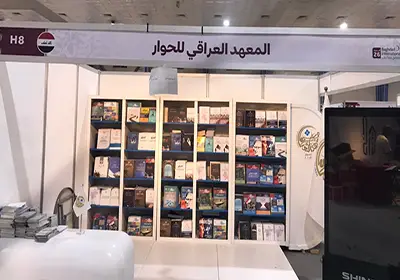
The Iraqi Institute for Dialogue, the logistical sponsor of the Baghdad International Book Fair, opens its own pavilion at the fair
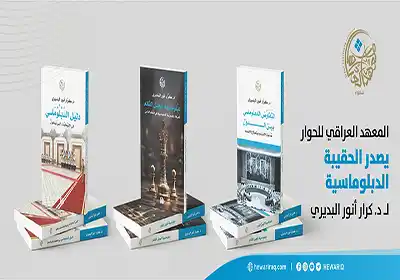
The Iraqi Institute for Dialogue publishes "The Diplomatic Portfolio" by Dr. Karrar Al-Badiri
Official agreement between Iraqi Institute for Dialogue and the Iraqi Media Network to sponsor The Seventh Annual International Conference of “Baghdad Dialogue” 2025
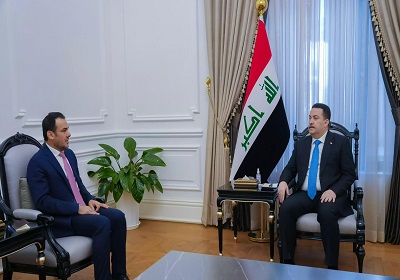
Prime Minister: The path of development will make Iraq a regional political and economic powerhouse
Invitation to the 79th issue of Dialogue of Thought
Seventh Baghdad International Dialogue Conference Call for Papers
Praise for the Baghdad International Dialogue: Strengthening Iraq's pivotal role and a meeting point for visions
Comments