

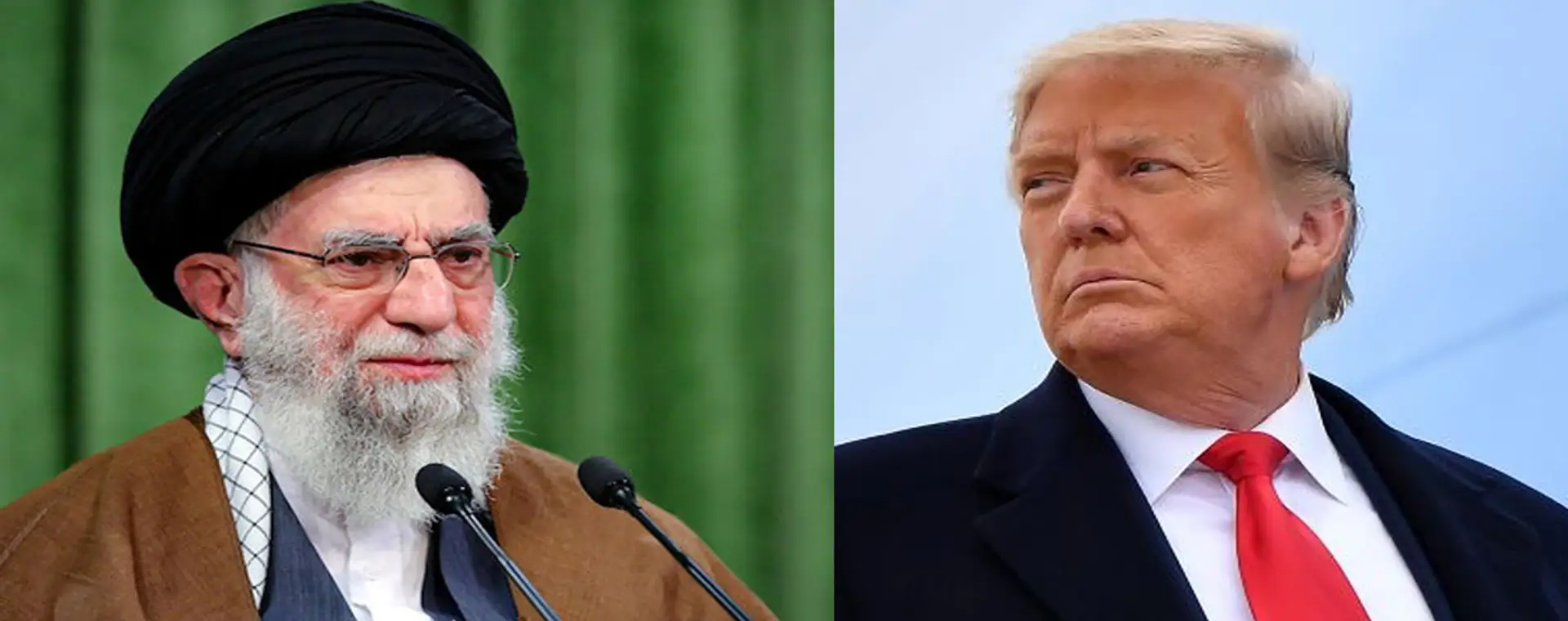
Indirect Dialogue between Tehran and Washington Between benefits and constraints
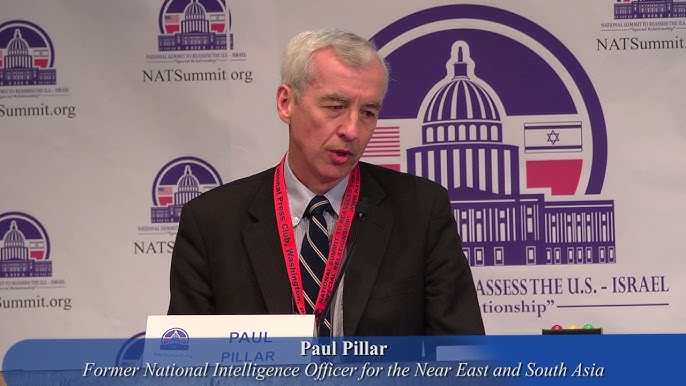
Paul R. Pillar, a former member of the CIA, believes that indirect dialog between Iran and the United States can be useful but will not solve all issues. "Iran should not judge based on the different statements of the Trump administration," he says.
In an interview with Iran's Tabnak news agency translated by the Iraqi Institute for Dialogue, Pillar notes that "Trump does not consider negotiations and military action as two completely separate and alternative options to each other," but rather believes that "the threat of military action can help him reach a better negotiated agreement."
"Conclusions about the attitudes of specific individuals should not be drawn based on sporadic and often unscripted statements by Trump advisers in interviews," Pillar says.
In an interview with Bloomberg, Raphael Grossi, Director General of the International Atomic Energy Agency (IAEA), claimed that "the Iran nuclear deal is in name only."
Adding that he "will likely return soon to Tehran for talks with Iranian officials," Grossi emphasized that they are at a "very important point" and that they know that US President (Donald) Trump has sent a message to the Iranian leader.
"It is clear that some kind of understanding must be reached that completely prevents the possibility of Iran acquiring nuclear weapons," the IAEA director general adds, noting that he visited Tehran last November and spoke with the Iranian president and foreign minister, and is likely to return soon.
Grossi repeats his previous claims about the discovery of uranium particles at Iranian facilities, claiming that "the agreement known as the Joint Plan of Action, signed in 2015, no longer exists and only its name remains." He adds that "they found traces of uranium in a place they expected and it was not a site of nuclear activity at all. "They found traces of uranium in a place they did not expect and it was not a site of nuclear activity at all," he adds.
He also claims that they "asked their Iranian counterparts about nuclear materials and equipment and did not receive satisfactory answers." He noted that he has visited Iran and has a desire to continue doing so, but these events are now happening together.
"The fact of the matter is that the Iran nuclear deal is practically dead, and even if another agreement on Iran's nuclear program is reached, it will be a new deal despite some similarities to the 2015 deal," said Professor Paul Pillar, who teaches at Georgetown University, is an editor of the National Interest and a senior fellow at Georgetown University's Center for Security Research and the Center for Security Policy in Geneva, in response to Grossi.
"Grossi and the IAEA will continue to engage with Iran on inspector access and possible past military activities, regardless of the status of any new agreement similar to the nuclear deal."
Regarding whether Iran's cooperation with the IAEA depends on possible negotiations between Iran and America, and whether a comprehensive IAEA report on Iran's nuclear program can be published before the outcome of these negotiations, Pillar explains that "the IAEA will continue to publish regular reports on the status of Iran's nuclear program and resolved and unresolved issues related to it."
"Given that there is no prospect of progress in the Iran-US negotiations in the near future, at least one more IAEA report is likely to be published before any progress is made," he said.
When asked if the indirect negotiations between the US and Iran, announced by the US, could be fruitful, Pillar answers that "indirect negotiations can be useful and help each side better understand what is or is not possible in future negotiations."
However, he adds that "to reach a full agreement, more direct contact between the US and Iran will likely be needed," noting that "the Iran nuclear deal was only achieved after serious and direct negotiations between the US and Iran at the level of foreign ministers."
Regarding the existence of two distinctly different views within the Trump administration team on Iran's nuclear program, with Steve Whitacre and Elon Musk taking a more commercial and balanced view and Marco Rubio and Mike Waltz taking a more hawkish view, Pillar cautions "not to draw conclusions about the positions of specific individuals based on sporadic and often unscripted statements by advisers in interviews."
"All of these individuals in the government, as long as they are in their current positions, will have to follow Trump's positions on these issues," he emphasizes.
When asked about U.S. President Donald Trump's statement that he has told Iran to consult with them in any way, and whether this means marginalizing the plan for a military attack on Iran, Pillar reiterates that "Trump does not see negotiations and military action as completely separate options and alternatives to each other." He believes that "the threat of military action can help him reach a better negotiated agreement."

The Iraqi Institute for Dialogue, the logistical sponsor of the Baghdad International Book Fair, opens its own pavilion at the fair
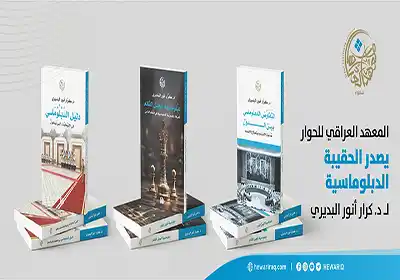
The Iraqi Institute for Dialogue publishes "The Diplomatic Portfolio" by Dr. Karrar Al-Badiri
Official agreement between Iraqi Institute for Dialogue and the Iraqi Media Network to sponsor The Seventh Annual International Conference of “Baghdad Dialogue” 2025
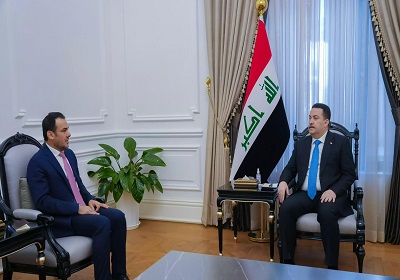
Prime Minister: The path of development will make Iraq a regional political and economic powerhouse
Invitation to the 79th issue of Dialogue of Thought
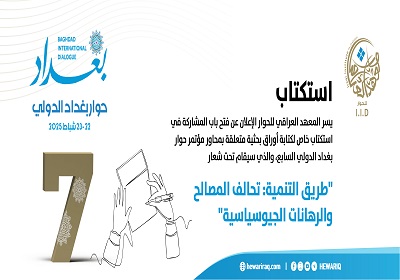
Seventh Baghdad International Dialogue Conference Call for Papers
Praise for the Baghdad International Dialogue: Strengthening Iraq's pivotal role and a meeting point for visions
Comments