

Iraqi-Chinese industrial park shakes up the Middle East
In the heart of Mesopotamia, specifically in the city of Karbala, the features of a huge strategic project are taking shape that reflects Iraq's shift towards effective multilateral economic partnerships, away from Western pressures and US tariffs.
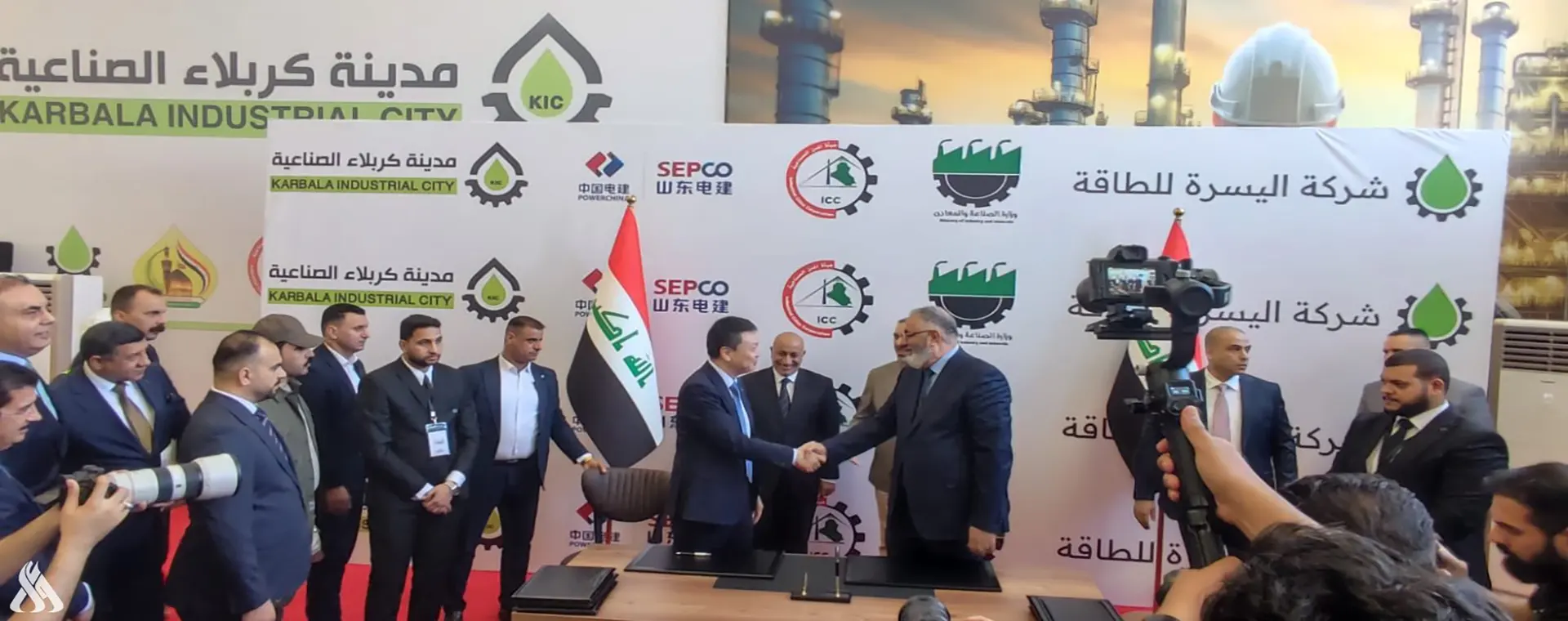
In an ambitious move, the Iraqi government has signed an agreement with a major Chinese company to establish an advanced industrial city in Karbala, with investments of up to two billion dollars. The project is part of a broader vision to transform the Karbala desert into a thriving industrial and agricultural area that promotes self-sufficiency and creates significant opportunities for employment and sustainable development.
A giant industrial city: Oil, Petrochemicals, and Independent Electricity
The agreement, which was signed by Minister of Industry and Minerals Khaled Batal on April 19, includes the construction of four petrochemical plants on an area of up to 1,200 acres, with infrastructure that is 60% complete, according to the Iraqi News Agency.
The unique feature of this project is its energy independence, as the developer will provide electricity to all factories, ensuring uninterrupted production, while utilizing the surplus to support other projects.
The industrial city is only 3 kilometers away from the Development Road and Karbala Refinery, which enhances logistical and industrial integration opportunities and transforms the site into a strategic economic node.
Desert turns into a green oasis
In parallel to this industrial transformation, the Iraqi government has been working for years to reclaim Karbala's land and transform it from a barren wasteland into a thriving food basket. Dozens of water springs have been revived, thousands of palm trees have been planted, and 550 square kilometers of land have been utilized for agriculture and livestock production, creating thousands of jobs and reducing dependence on food imports.
In the crosshairs of the trade war: China advances, America retreats
The move comes amid escalating tension between Iraq and the United States after US President Donald Trump's administration announced the imposition of 39 percent tariffs on Iraq, prompting Baghdad to reassess its economic relations and expand its partnerships with Beijing.
While Washington is trying to minimize Chinese influence in Iraq, figures show that Chinese companies now dominate 34% of the country's proven oil reserves and contribute to two-thirds of current production, and Iraq's oil exports to China have increased by 20% since 2019, exceeding 1 million barrels per day in 2023.
Belt and Road: Iraq is China's gateway to the region
The project is part of a broader Iraqi vision to engage in the Belt and Road Initiative. Officials in Baghdad admire the Chinese experience, especially in its ability to build strong productive sectors and lift more than 850 million people out of poverty.
According to analysts, cooperation with China gives Iraq an economic model that is less tied to Western political conditions and more focused on actual development.
New Iraq: Challenges and Opportunities
Despite US tariffs, Iraq appears to be redrawing its economic map, relying on its natural resources, strategic location, and new partners. Karbala, once a barren desert, is now the focal point of a renaissance project that could redefine Iraq's role in the region and the world.
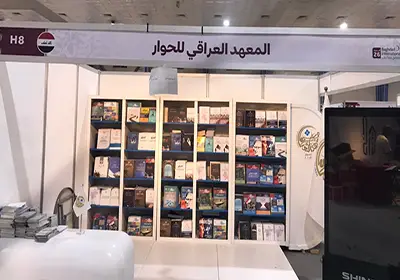
The Iraqi Institute for Dialogue, the logistical sponsor of the Baghdad International Book Fair, opens its own pavilion at the fair
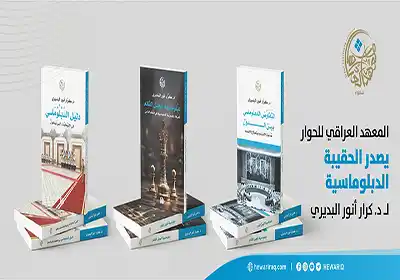
The Iraqi Institute for Dialogue publishes "The Diplomatic Portfolio" by Dr. Karrar Al-Badiri
Official agreement between Iraqi Institute for Dialogue and the Iraqi Media Network to sponsor The Seventh Annual International Conference of “Baghdad Dialogue” 2025
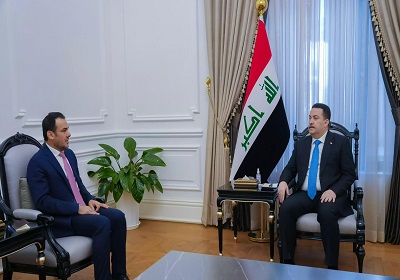
Prime Minister: The path of development will make Iraq a regional political and economic powerhouse
Invitation to the 79th issue of Dialogue of Thought
Seventh Baghdad International Dialogue Conference Call for Papers
Praise for the Baghdad International Dialogue: Strengthening Iraq's pivotal role and a meeting point for visions
Comments