


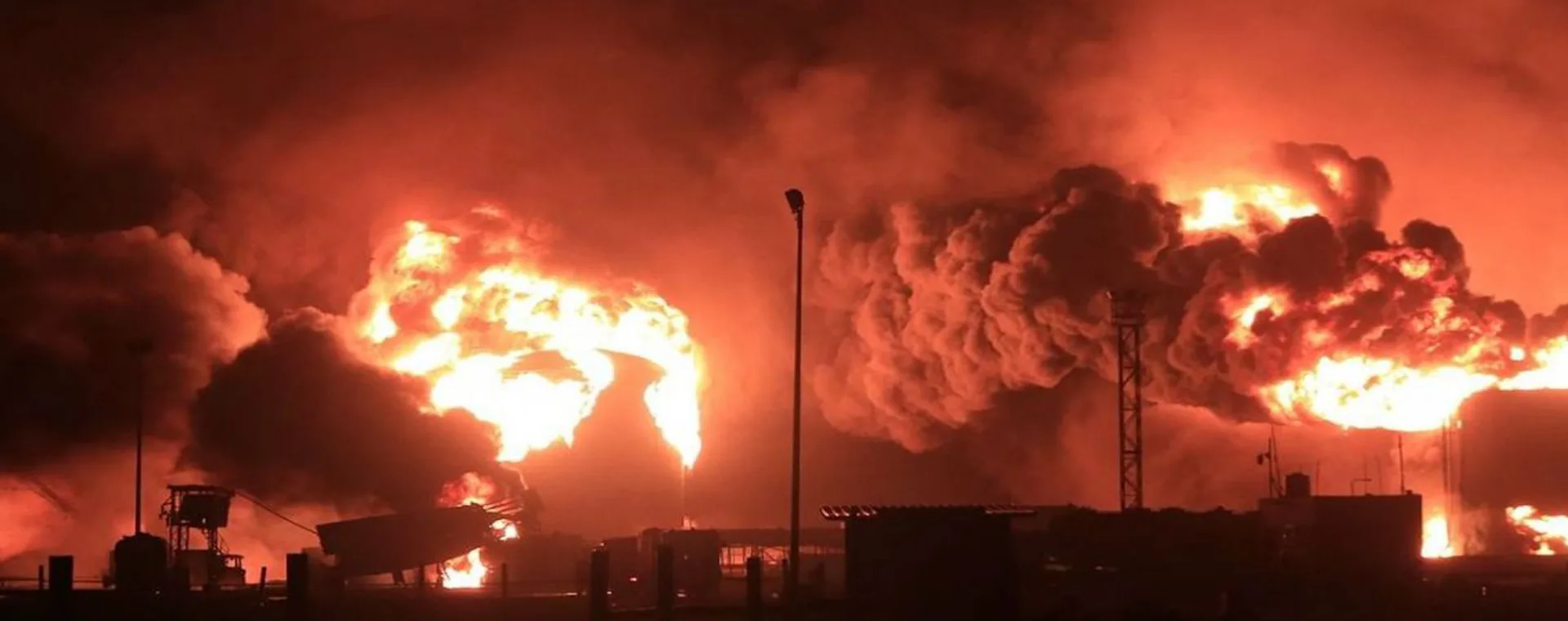
Legitimizing Bombing in Yemen and Warning of Escalation with Iran
The position of Western think tanks on the escalation in Yemen
As regional tensions escalate following Israeli airstrikes on Hodeidah in western Yemen, divergent positions are emerging among Western think tanks on the feasibility of U.S. military interventions in Yemen and the prospects for escalation with Iran.
An in-depth reading of the policies of these centers indicates a dual orientation: Relative support for military operations against the Houthis as part of strategies to contain Iranian influence, as opposed to explicit warnings that excessive escalation could lead to a regional explosion that would be difficult to contain.
Provincial centers: Hodeidah is the scene of a geopolitical battle
The Center for Strategic and International Studies (CSIS) believes that the US strikes, whether direct or through coalition support, come within the framework of maintaining the security of sea lanes and containing Iranian expansion in the Red Sea. It considers the operations carried out since 2024 to be necessary to ensure freedom of navigation in the Bab al-Mandab Strait, although it notes the need to minimize humanitarian damage.
The Heritage Foundation, known for its conservative leanings, takes a more outspoken stance, supporting the Trump administration's current policies in dealing firmly with the Houthis. It sees the strikes as part of a broader policy to confront Iran, and criticizes the previous Biden administration for being complacent in the face of escalating security threats in Yemen.
Cash centers: The humanitarian and diplomatic cost
The Brookings Institution calls for a more balanced approach, criticizing continued U.S. support for the Saudi coalition. Some pro-Israel lobbies are blamed for nurturing an anti-Iranian policy that influences Washington's decisions on Yemen. It calls for lifting the blockade and intensifying diplomatic pressure to reach a political settlement.
The RAND Corporation, known for its in-depth strategic and military analysis, warns that US military involvement carries a strategic and diplomatic cost, noting that continued strikes could deepen the conflict with Tehran and increase the fragility of stability in the region. The humanitarian crisis in Yemen is weakening the legitimacy of U.S. foreign policy.
European institutions: Focus on international law
European centers such as the International Institute for Strategic Studies (IISS) and the Stockholm Peace Research Institute (SIPRI) reflect a growing concern about the humanitarian repercussions. While they understand the security motivations, they see the repeated targeting of Yemen's infrastructure as a flagrant violation of international humanitarian law and call for a freeze on arms sales and a focus on diplomatic solutions.
Is escalation with Iran a red line?
What these centers agree on most is the warning against opening a direct front with Iran. Even organizations that support the strikes believe that dragging Tehran into a military confrontation would complicate the regional landscape.
The Middle East Institute (MEI), known for its balanced approach, stresses the importance of including the Houthis in any peace negotiations, warning that marginalizing them will keep the conflict open to further foreign interference.
Conclusion
These approaches reveal a duality in Western strategic thinking: Support for military operations as a tool of pressure and containment, but no real desire for broad escalation, especially with Iran. According to most of these institutions, the priority remains to push for a political settlement that ends the war in Yemen and avoids a wider security and humanitarian catastrophe in the region.
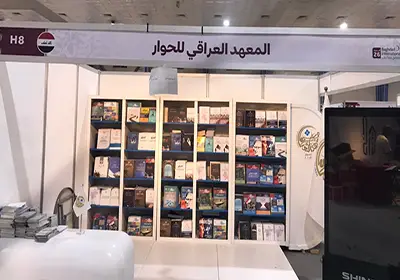
The Iraqi Institute for Dialogue, the logistical sponsor of the Baghdad International Book Fair, opens its own pavilion at the fair
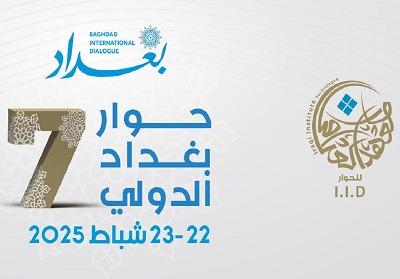
Official agreement between Iraqi Institute for Dialogue and the Iraqi Media Network to sponsor The Seventh Annual International Conference of “Baghdad Dialogue” 2025
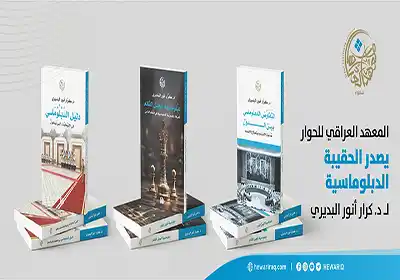
The Iraqi Institute for Dialogue publishes "The Diplomatic Portfolio" by Dr. Karrar Al-Badiri
Invitation to the 79th issue of Dialogue of Thought
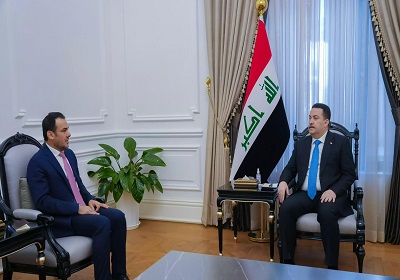
Prime Minister: The path of development will make Iraq a regional political and economic powerhouse
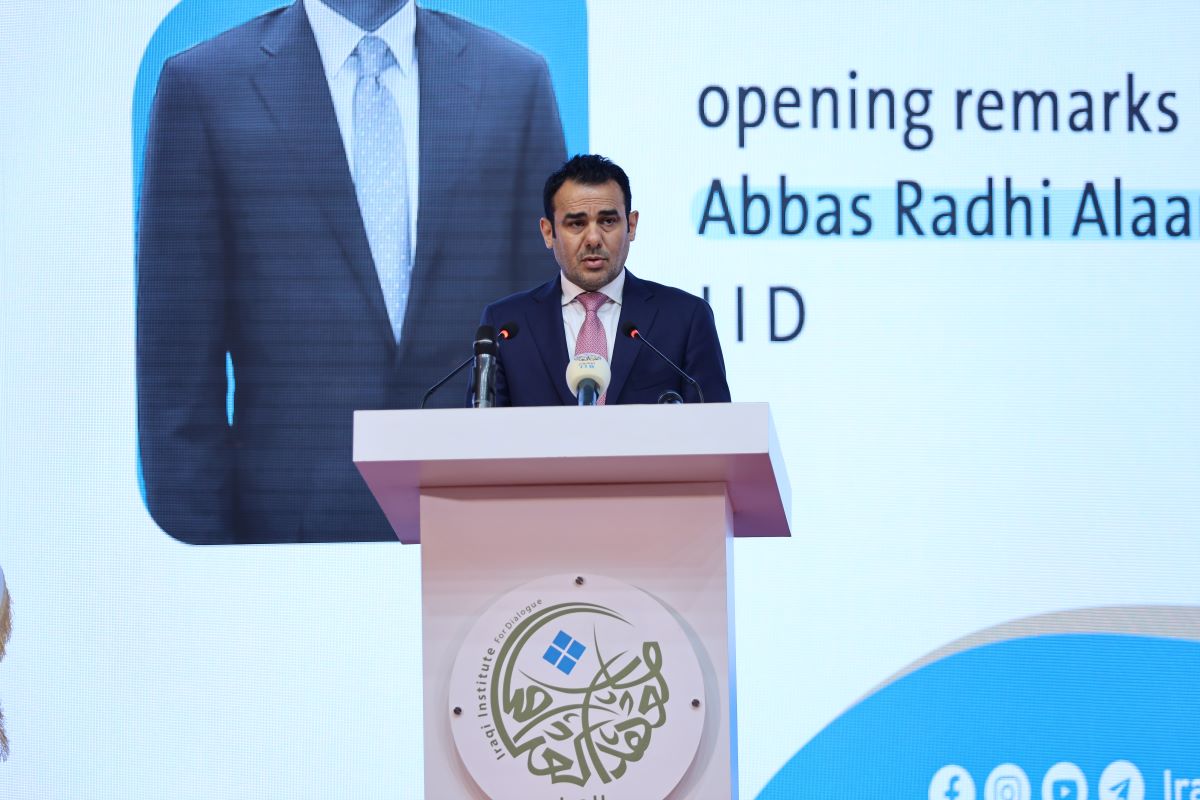
Speech of the Director of the Iraqi Institute for Dialog at the Sixth Baghdad International Dialog Conference
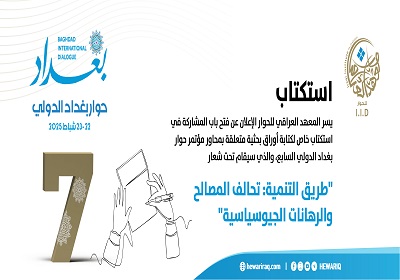
Seventh Baghdad International Dialogue Conference Call for Papers
Comments