


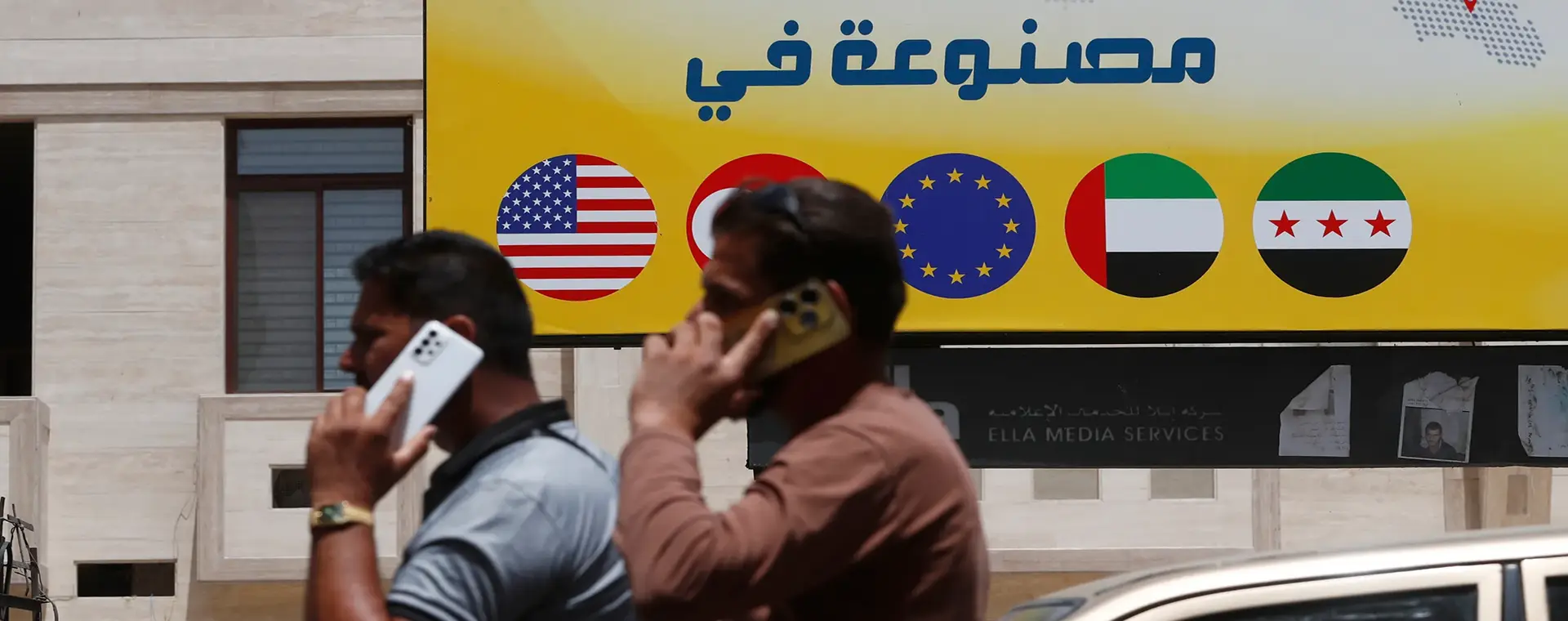
Translation: Iraqi Institute for Dialog
Syria Seeks Opportunity in a World that Repels It
Despite recently announced Western steps to ease economic sanctions on Syria, the daily reality for Syrian citizens, especially those seeking remote work opportunities, is still burdened by structural and digital restrictions and barriers.
The UK removed the names of 12 Syrian entities from the sanctions list, a move that was preceded by the removal of restrictions on 24 entities operating in the transportation, energy and financial services sectors. In the US, the Office of Foreign Assets Control (OFAC) announced the lifting of some sanctions, which was seen as an initial sign of international recognition of the political changes following the fall of the Assad regime.
However, according to the report published by LA Progressive, this shift has not been reflected in the lives of citizens, especially in the issue of remote work, as Syria is still subject to a suffocating financial and digital isolation.
Obstacles at the heart of openness: Banks refuse to close
Despite the easing of sanctions on the Syrian Central Bank, many international banks refuse to deal with Syrian accounts, fearing being trapped by remaining sanctions or regulatory overlap between US and UK policies.
Mohammad Kamal, a young Syrian living in a border area with Turkey, says they find jobs online, but can't get paid because platforms like PayPal and Payoneer are blocked.
"Sometimes we resort to brokers, but they charge commissions of up to 50 percent, which makes it financially unfeasible."
Engineer Ali al-Khatib, who works in web development, emphasizes that access to technical platforms such as GitHub or GitLab is not available, which hinders his productivity. He also points to the phenomenon of salary discrimination, as he is offered lower-paying jobs simply because he is Syrian.
Digital and Professional Discrimination A Nation Without Platforms
The report highlights that major platforms such as Upwork and Fiverr refuse to register Syrians, due to "geographic address" restrictions or fears of sanctions, leading to automatic exclusion from free labor markets.
Ali al-Khatib recounts a painful incident when he applied for a volunteer position at an international organization, but did not receive a response after the interview simply because he disclosed his nationality. He says: "Many of us now hide our nationality when applying, just to get a fair assessment."
Crumbling infrastructure and hope
Infrastructure is as much of an obstacle as technical constraints. Mohammed Kamal says: "We lived for years without electricity or internet. Now the situation is a little better in areas close to Turkey, but it is still unstable," says Mohammed Kamal. He adds that intermittent electricity and internet makes it almost impossible to carry out any work remotely.
The report notes that these factors are forcing thousands of Syrians to migrate, not only to seek safety, but also to work and earn a living, depriving Syria of its professional elite and the skills necessary for reconstruction.
Sanctions Eased... But the isolation continues
Although the new Syrian government, led by Hayat Tahrir al-Sham, seeks to present itself as an international partner that respects the new standards, Western countries still fear the repercussions of dealing with Syrian entities.
In an interview with Syria's new foreign minister, Asaad al-Shibani, he said, "We inherited big issues from the previous regime, but the lifting of economic sanctions is a prerequisite for Syria's stability."
A historic opportunity not to be missed
Mohamed Kamal concludes: "The lifting of sanctions is a historic step, but we are still trapped. We need real decisions from the international community, not just on paper, but in digital and financial reality. Every remote work opportunity we get is a small victory against the isolation that has been imposed on us for years."
Summary of the report
Despite international steps indicating the end of the comprehensive sanctions phase, Syrians are still suffering from the unseen consequences of these policies, especially in the digital and financial sphere. It seems that getting out of the siege will not be possible without a comprehensive review of the global banking and commercial systems that still treat Syria as "outside the system."
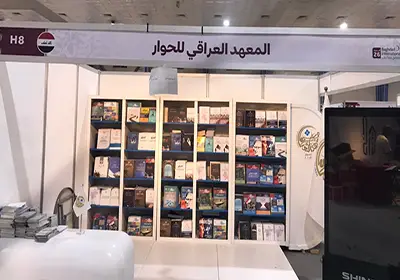
The Iraqi Institute for Dialogue, the logistical sponsor of the Baghdad International Book Fair, opens its own pavilion at the fair
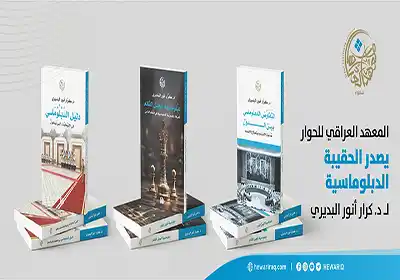
The Iraqi Institute for Dialogue publishes "The Diplomatic Portfolio" by Dr. Karrar Al-Badiri
Official agreement between Iraqi Institute for Dialogue and the Iraqi Media Network to sponsor The Seventh Annual International Conference of “Baghdad Dialogue” 2025
Invitation to the 79th issue of Dialogue of Thought
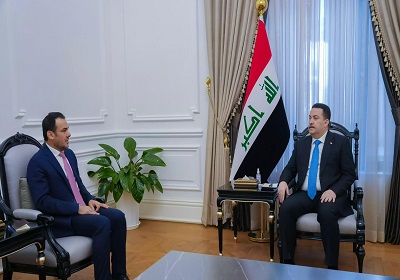
Prime Minister: The path of development will make Iraq a regional political and economic powerhouse
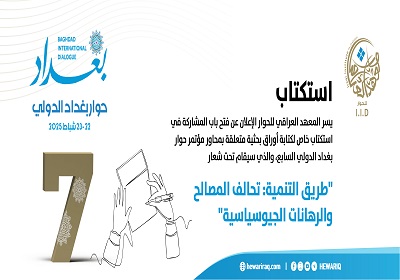
Seventh Baghdad International Dialogue Conference Call for Papers
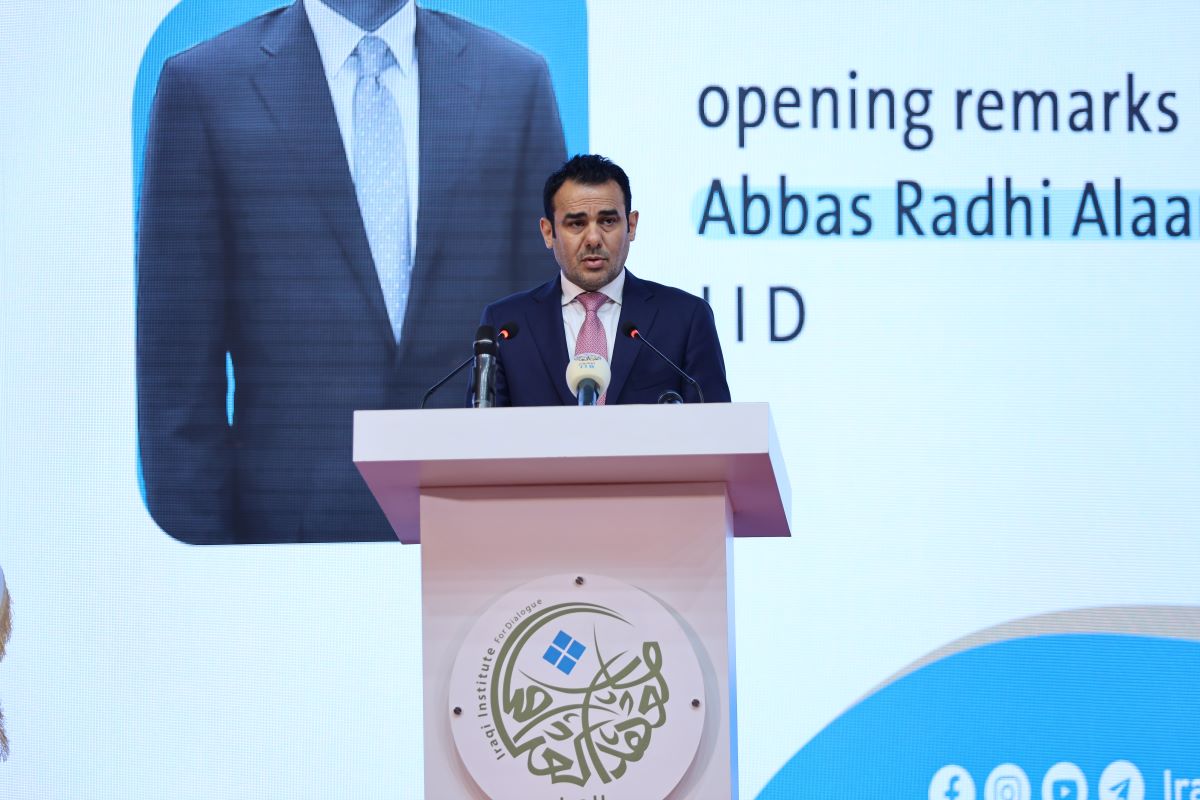
Speech of the Director of the Iraqi Institute for Dialog at the Sixth Baghdad International Dialog Conference
Comments