



Reporting by Dévora Margolin in The Washington Institute
Setting Expectations with Syria on Combating ISIS
May saw major swings in U.S. policy toward Syria, after an encouraging meeting between U.S. President Donald Trump and interim Syrian President Ahmad al-Sharaa in Riyadh, punctuated by jihadist attacks on the new government's forces, underscoring that the task of fighting the Islamic State (IS) remains a top priority.
Recent developments
On May 18, a car bomb exploded in the Syrian city of Mayadeen, targeting Syrian security forces and killing people, in the first successful attack against the new government, days after Trump and al-Sharia announced a new chapter in bilateral relations.
The White House has urged Sharaa to help prevent the resurgence of ISIS and take responsibility for the detention centers holding thousands of ISIS members and their families in northeast Syria. The challenge now is how to implement these demands on the ground within a clear timeline in coordination with U.S. and regional partners.
Background: U.S. approach to Syria since 2014
Since the emergence of ISIS in 2014, the United States has led the military and financial efforts to combat the organization, leading the international coalition and operating joint military operations with local factions, especially the Kurdish-led Syrian Democratic Forces (SDF).
After the liberation of the last ISIS strongholds in March 2019, US forces moved to minimize direct military presence while focusing on training and supporting local partners in the security mission.
Grand Challenges: Detention centers and security risks
The biggest challenge for all sides is the thousands of ISIS detainees in northeast Syria's detention centers, which include women and children from more than 60 countries. CENTCOM categorizes this issue into three categories:
ISIS active in fighting against the U.S. and its partners in Iraq and Syria
ISIS members detained in detention centers
The potential next generation of ISIS, which includes families and detainees in camps such as al-Hol and Roj
Political Situation and Regional Challenges
With the fall of the Assad regime, the Syrian landscape has radically changed, opening a window of hope for the country's unity and stability under a Sharia government, but the security and humanitarian challenges remain enormous. At the same time, the international coalition has begun to reduce its operations in Iraq, which affects the ability to operate in Syria.
Syria is not ready to shoulder the entire burden of fighting ISIS on its own, requiring clear U.S. and regional cooperation.
Different actors and their agendas
Damascus: The new government has shown a willingness to fight ISIS using U.S. intelligence, but the question remains about its ability and willingness to take full responsibility for the mission, including managing detention centers.
Syrian Democratic Forces (SDF): It has been a key partner in the fight against ISIS, but it is not a state and faces pressure from Turkey, which sees it as an extension of the Kurdistan Workers' Party (PKK). Without U.S. support, the SDF risks direct Turkish confrontation.
Turkey and Iraq: Turkey has proposed a regional platform led by Turkey with Iraq, Jordan, and Syria, but this idea has been rejected by regional partners due to Turkey's agenda against the PKK, as well as Baghdad's reluctance to support the Sharia government.
Europe: France and Britain supported the U.S. military mission, and suggested alternatives such as continuing the military operation in coordination with the new Syrian government.
Recommendations for Managing the U.S.-Syrian Relationship and Countering ISIS
Emphasize Damascus' readiness and capability: Washington should establish a bilateral working group to define the details of the triple counter-ISIS mission (insurgents, detainees, families in camps) and ensure humane treatment.
Strengthening the relationship between Damascus and the SDF: Cooperation between the two parties should be encouraged because only together they can make the anti-ISIS mission a success.
Pressure on Turkey: The U.S. should demand that Ankara stop actions that could lead to an ISIS resurgence, particularly attacks on the SDF.
Share Europe: Europe should not be left out, which should increase its financial efforts and work to repatriate its detained nationals.
A realistic timeline: The U.S. Department of Defense and State should develop a step-by-step plan to safely and thoughtfully hand over security tasks to Syria.
Conclusion
As the U.S. moves toward handing over the counter-ISIS mission to the new Syrian government, many obstacles remain, requiring careful coordination between Damascus, local and regional partners to ensure Syria's stability and prevent the return of the extremist group.
Devorah Margolin is a senior fellow at The Washington Institute, specializing in Syria and the Middle East.

The Iraqi Institute for Dialogue, the logistical sponsor of the Baghdad International Book Fair, opens its own pavilion at the fair
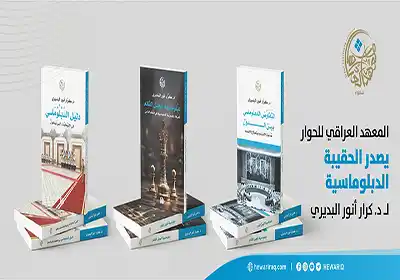
The Iraqi Institute for Dialogue publishes "The Diplomatic Portfolio" by Dr. Karrar Al-Badiri
Official agreement between Iraqi Institute for Dialogue and the Iraqi Media Network to sponsor The Seventh Annual International Conference of “Baghdad Dialogue” 2025
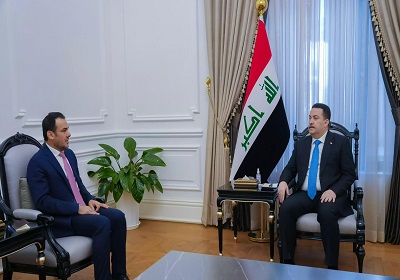
Prime Minister: The path of development will make Iraq a regional political and economic powerhouse

Invitation to the 79th issue of Dialogue of Thought
Seventh Baghdad International Dialogue Conference Call for Papers
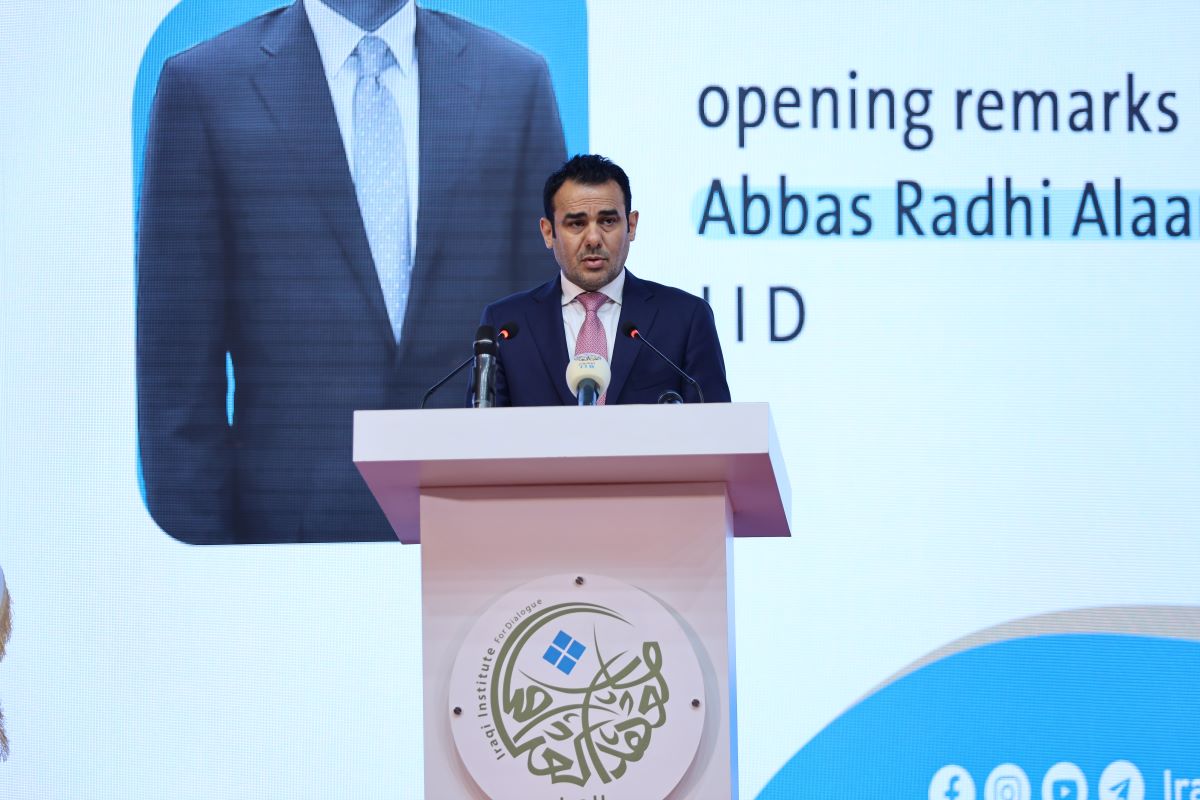
Praise for the Baghdad International Dialogue: Strengthening Iraq's pivotal role and a meeting point for visions
Comments