



Translation: Iraqi Institute for Dialog
How much wealth does the Catholic Church have and where does it come from?
The value of the Catholic Church's property is said to be one of the "mysteries of the faith," a secret the religious institution has kept for centuries.
The Catholic Church's organization is divided into multiple branches and regions, each with separate financial accounts. Therefore, it is extremely difficult, if not impossible, to arrive at an accurate total figure for the wealth of this church, which represents some 1.4 billion followers around the world.
But let's start with the "Holy See," the spiritual and administrative authority at the heart of this religious institution: the Vatican.
Holy See
Due to the church's secretive nature, speculation about the Vatican's wealth has increased over the years. Pope Francis (died April 21, 2025) has, since the beginning of his pontificate, tried to change this situation and increase financial transparency.
The most notable of these efforts was the publication of the Vatican Asset Management Authority's financial statements in 2021, which have since been published annually.
It was the first public disclosure of financial figures since the organization was founded in 1967.
According to the latest financial report, a branch of the Catholic Church run by the Vatican in 2023 generated more than $52 million in profits, with an increase in assets of about $8 million from the previous year.
The net value of the assets has not been made public, but the Rome-based research center Market, Culture, and Ethics estimated it to be around $1 billion.
But this estimate only includes assets managed by the Institute for Religious Works - known as the Vatican Bank - and does not include many of the Vatican's buildings and land.
The Vatican Asset Management Authority says the church owns more than 5,000 properties, one-fifth of which are rented out, generating about $84 million in operating revenue and nearly $40 million in net profits annually.
But all of these figures relate to the Vatican's financial system only, and do not include branches of the Catholic Church around the world.
Financial decentralization
Due to the Catholic Church's decentralized financial structure - each diocese manages its budget independently - the total global wealth and income of the Church is much larger and possibly incalculable.
Fernando Altemeyer Jr., professor of social sciences at the Catholic University of São Paulo, says: "Assessing the wealth of the entire Catholic Church is almost impossible."
According to the Institute for the Study of Religion and Secularism in Paris, branches of the Catholic Church globally own between 71 and 81 million hectares of land, making them one of the largest landowners in the world. These assets include: Churches, schools, hospitals, monasteries, and other properties.
The origin of wealth
The laws of the Catholic Church state that its purpose is not to accumulate wealth or make profits. So how did she come by this wealth?
In his book Church History, Nii D'Souza argues that the accumulation of wealth in the church began in the fourth century AD, during the rule of Emperor Constantine (272-337 AD), who declared Christianity the official religion of the Roman Empire.
Before that, Christians lived simply and worshipped in homes or catacombs. But after the legalization of religion, the church became a privileged institution with many properties and a level of wealth comparable to that of high-ranking officials in the Roman state.
The Vatican and the treasure trove
Since then, many emperors, along with gold and silver, have donated palaces and land to the church. This led to the creation of the ecclesiastical "endowment" system.
Today, in addition to this historical legacy, the church has priceless works of art, museums visited by millions of visitors each year, and extensive investments in financial markets.
The center of religious power is the Vatican City State, an absolute monarchy run under the supervision of the Pope - the Bishop of Rome.
Tourism and returns
Tourism is another major source of income, including:
-
Religious and historical buildings: The Apostolic Palace, St. Peter's Basilica, neighboring buildings, and the Vatican's Domus complex
-
Museums and exhibitions: 15 museums, including the Sistine Chapel, Raphael's Chapels, the Museum of Ethnology and the Vatican Historical Museum
-
Libraries and archives: Pontifical Library, Holy See Archives, Vatican Publishing House
-
Media and communication: Vatican Radio, L'Osservatore Romano, Vatican Media Network, Vatican Television Center
-
Other organizations: Vatican Bank, Vatican Observatory
Real estate outside the Vatican
Outside its territory, the Vatican owns 12 large properties, including: St. John Lateran Cathedral, St. Paul's Basilica Outside the Walls, Santa Maria Maggiore, the Pope's summer residences at Castel Gandolfo, and multiple administrative offices.
The Vatican also receives global donations under the name "Peter's Pence" that are used for social activities, maintenance of museums, and administration of the Vatican.
Mussolini and the Church
One of the biggest sources of wealth came from Italian dictator Benito Mussolini.
Historian Andrea Riccardi says that in 1929, Mussolini paid 1.75 billion lire (about $91.3 million at the time) to the Holy See's treasury, as part of the Lateran Agreement, to compensate the Church for damages and confiscations during the unification of Italy (1860-1870).
Pope Pius XI used a quarter of this amount to establish the modern Vatican City State, build buildings and provide housing for the staff. The rest was invested to secure the future.
Today, the Holy See Asset Management Authority owns real estate in Italy, Britain, France and Switzerland, and manages an investment fund of about 1.77 billion euros ($1.9 billion), which is used to cover the expenses of the centralized administration of the Church (Roman Curia).
Pope Francis said in 2019 that investing is a way to preserve assets and avoid their erosion "while earning a small return when possible."
Despite the Vatican's support, the Holy See is not considered a state, does not pay taxes or declare a public debt, and relies financially on its assets and donations from the faithful.
According to the Institute for Advanced Religious Finance, publicized figures on the Vatican's income and expenses are underestimated, and the Vatican's real wealth could be twice the official estimates, around $4 billion.

The Iraqi Institute for Dialogue, the logistical sponsor of the Baghdad International Book Fair, opens its own pavilion at the fair
Official agreement between Iraqi Institute for Dialogue and the Iraqi Media Network to sponsor The Seventh Annual International Conference of “Baghdad Dialogue” 2025
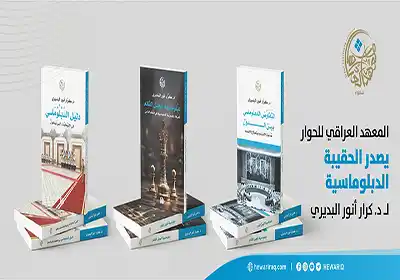
The Iraqi Institute for Dialogue publishes "The Diplomatic Portfolio" by Dr. Karrar Al-Badiri

Invitation to the 79th issue of Dialogue of Thought
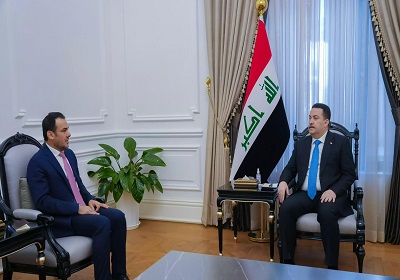
Prime Minister: The path of development will make Iraq a regional political and economic powerhouse
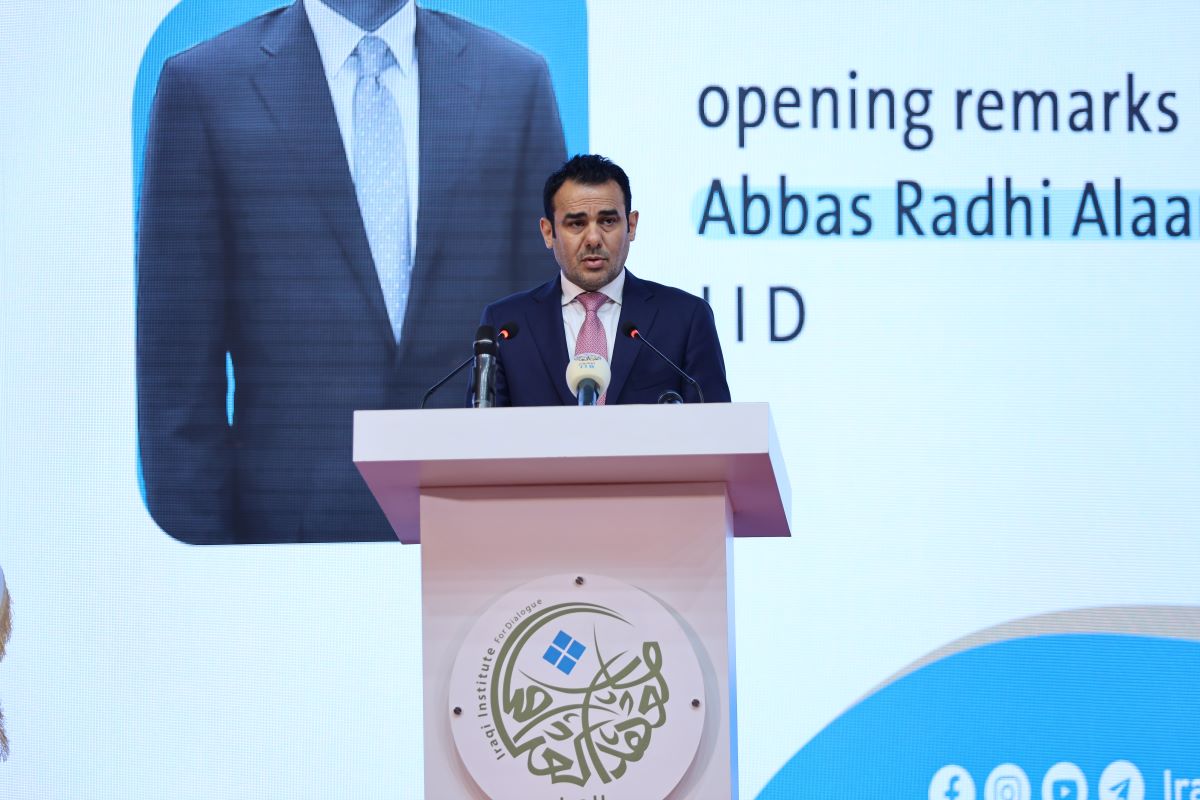
Speech of the Director of the Iraqi Institute for Dialog at the Sixth Baghdad International Dialog Conference
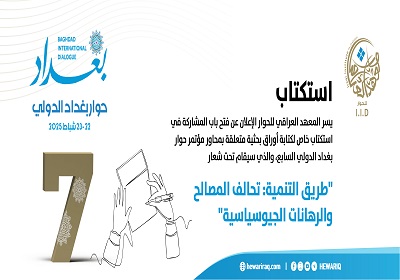
Seventh Baghdad International Dialogue Conference Call for Papers
Comments