


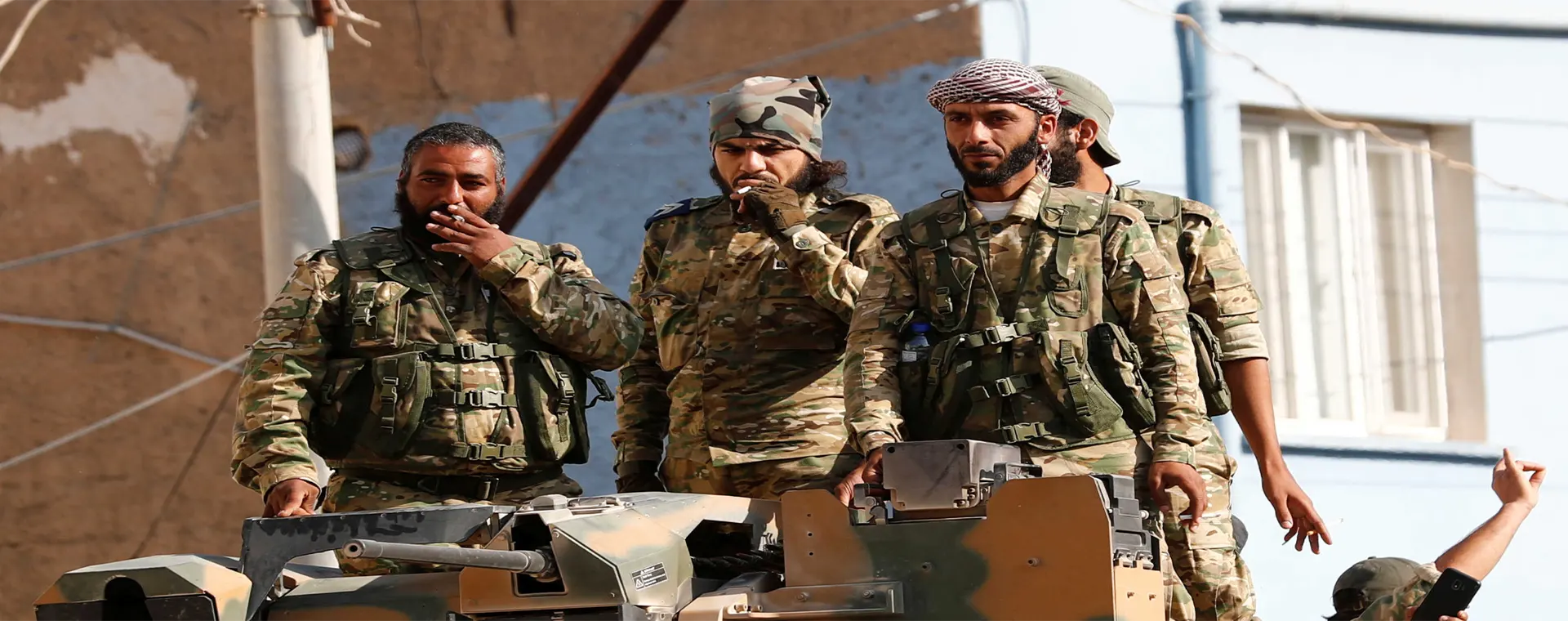
The new Syria under threat from 'migrants'
With the arrival of the new government in Damascus led by Ahmad al-Sharaa, a very complex challenge looms that threatens to upset the delicate balance that the new authorities are trying to maintain: The issue of foreign fighters who fought for a decade in Syria on the side of Islamist armed groups, most notably the current government's parent organization, Hayat Tahrir al-Sham (HTS).
While Washington and its Western allies are pushing for the expulsion or neutralization of these fighters from decision-making positions, the Sharia government is reluctant to take a decisive stance, fearing the disintegration of the Islamist alliance that brought it to power, while groups like ISIS are capitalizing on this confusion to attract these fighters with public messages and the promise of "loyalty."
Between "migrant" and "mercenary": A clash of terms and identities
Although the West uses the term "foreign fighters" to describe the thousands of fighters coming from Central Asia, the Caucasus, the Balkans and North Africa, jihadist movements call them "migrants," a term with a deep religious baggage that gives their presence a legitimate and historical legitimacy.
This duality of characterization reflects the depth of disagreement over the legitimacy of their presence. While the U.S. government sees them as a regional and international threat that must be eliminated, many Islamist factions see them as a moral pillar of contemporary jihad and consider their expulsion a betrayal of the "covenant and blood."
ISIS warnings and capitalizing on anger
On May 15, 2025, amid growing speculation that the Sharia government was planning to expel foreign fighters, ISIS issued an unprecedentedly blunt statement inviting them to join its ranks, warning that the government was planning to abandon them, as it had done in previous experiences.
ISIS also used the photo of Ahmed al-Sharaa's meeting with US President Donald Trump in Riyadh, alongside the Saudi crown prince, to portray him as a "traitor in collusion with the Crusaders."
Heavy files and stationary fighters
According to field estimates, thousands of foreign fighters remain in Syria, divided into three main categories:
1. HTS allies: Most notably the Turkistan Islamic Party (Uyghurs from China) and the West Turkestan Battalion, along with allied Chechen and Uzbek groups.
2. The organization's hardline opponents: ISIS and the remnants of the defunct al-Qaeda-linked Hurras al-Din.
3. Independent fighters: These include clerics, media activists, and "retired" fighters seeking permanent residence in Syria.
The most prominent of these groups is the Turkistan Islamic Party (TIP), which by some estimates has more than 2,000 members, has close ties with HTS, and some of its leaders have been given senior military positions in the new army structure.
The government between the hammer of the US and the anvil of allies
The Sharia government has two options, both of which are bitter:
Retaining foreign fighters risks the emergence of independent fundamentalist enclaves and exposes the government to international criticism and the return of sanctions.
Their removal or marginalization could lead to internal defections or even armed rebellion, especially in light of the symbolism of these fighters in Islamic discourse and their organic connection to the institutions of the armed revolution.
In press statements in Paris, al-Sharaa tried to ease the pressure, emphasizing that foreign fighters "who fought in the ranks of HTS do not pose a threat" and that some may be granted Syrian citizenship, but he did not mention the fate of others, especially hardliners or independents.
Fraught antecedents: Prisons, extraditions, and liquidations
Hay'at Tahrir al-Sham (the political incubator of the Sharia government) is not new to the cautious and duplicitous treatment of foreign fighters. Over the past several years, it has:
Imprisoning foreign religious and field leaders without a clear trial.
The dissolution of small foreign groups such as Jund Allah and Jund al-Sham.
According to Western reports, information about ISIS and al-Qaeda leaders was passed on to US and Turkish intelligence services, leading to successful assassinations.
These precedents raise deep suspicions among Islamists and feed radical groups' narratives of the Commission's "betrayal" of its migrant allies.
Internal calculations: Between a disgruntled population and a resilient mujahideen
Keeping foreign fighters may anger Syrian locals, some of whom view them as an undisciplined force that has imposed rigid religious and social patterns. The burning of a Christmas tree in Hama by Uzbek fighters last December is a glaring example of a potential culture clash.
On the other hand, their release or extradition could trigger an explosive situation within the ranks of Islamists, who consider them "symbols of global jihad" and demand that they be repaid.
Open scenarios
Observers see the new Islamist government in Syria facing three possible scenarios:
1. Organized assimilation: Some allied fighters are granted residency or citizenship under strict conditions, while others are expelled.
2. Covert containment: Keeping them under tight security control without giving them influence, while encouraging their voluntary return.
3. Outright exclusion: Phasing them out or handing them over, with internal repercussions and increased threats from ISIS or splinter groups.
The battle for loyalty isn't over
Between what Washington wants and what Islamist groups fear, Ahmed al-Sharaa is at a critical crossroads. Either he maintains his internal alliances and loses international support, or he opens up to the international community and loses his Islamist credentials.
But what is certain is that foreign fighters, with their symbolic and military presence, remain a "heavy shadow" on the post-revolutionary scene in Syria, a shadow that may move at any moment.
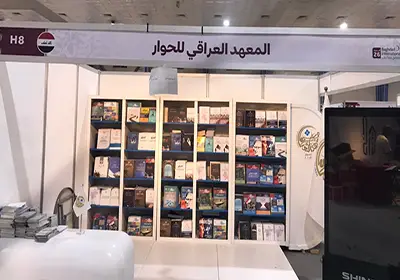
The Iraqi Institute for Dialogue, the logistical sponsor of the Baghdad International Book Fair, opens its own pavilion at the fair
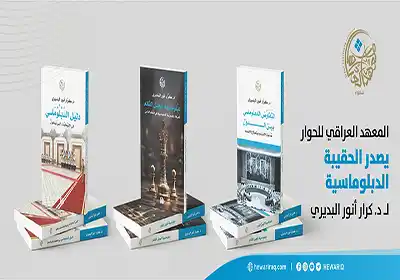
The Iraqi Institute for Dialogue publishes "The Diplomatic Portfolio" by Dr. Karrar Al-Badiri
Official agreement between Iraqi Institute for Dialogue and the Iraqi Media Network to sponsor The Seventh Annual International Conference of “Baghdad Dialogue” 2025
Prime Minister: The path of development will make Iraq a regional political and economic powerhouse
Invitation to the 79th issue of Dialogue of Thought
Seventh Baghdad International Dialogue Conference Call for Papers
Praise for the Baghdad International Dialogue: Strengthening Iraq's pivotal role and a meeting point for visions
Comments