


Translation by the Iraqi Institute for Dialog
Russia's declining influence in the South Caucasus: New players enter the scene
Russia's position in its southern borders, especially in Armenia and the Republic of Azerbaijan, is eroding as Moscow's deep preoccupation with the war in Ukraine has paved the way for new regional and international actors, such as Turkey, the European Union and the United States, to increase their influence in the region, Radio Free Europe reports.
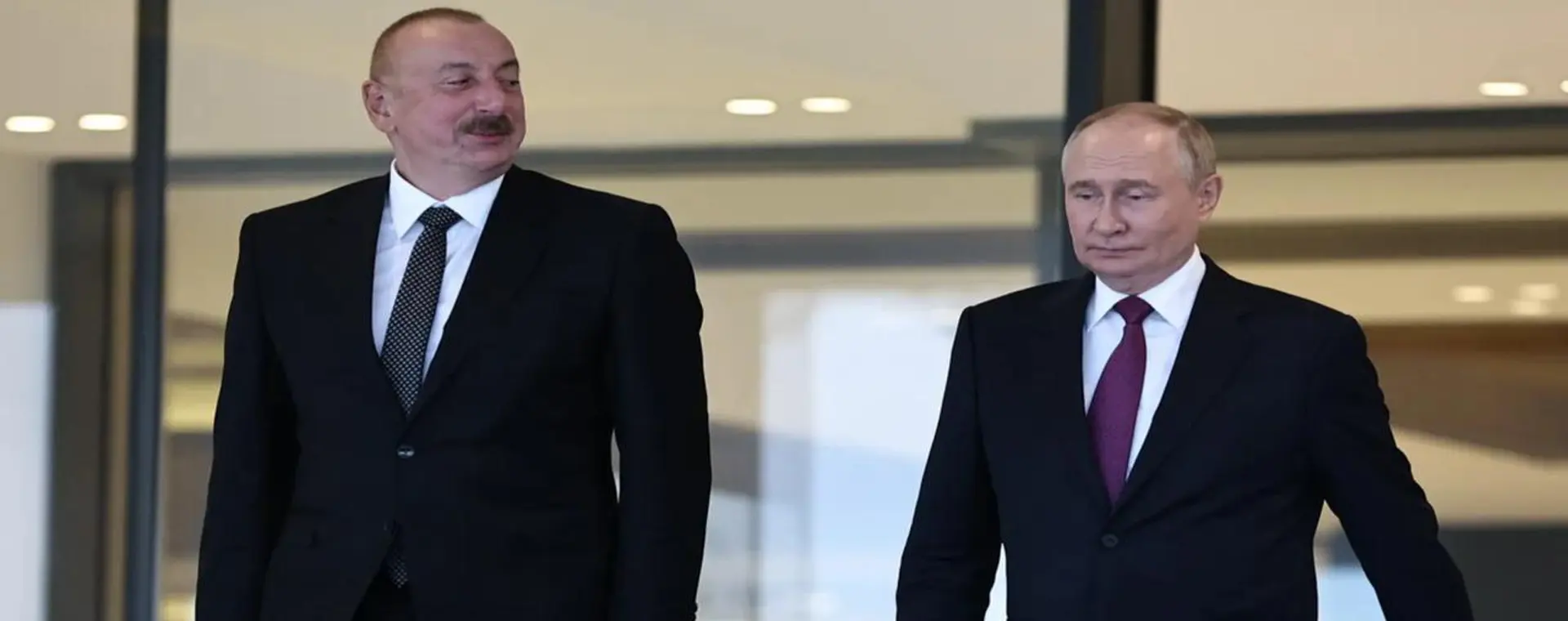
On July 8, Armenia's Prime Minister Nikol Pashinyan and Azerbaijan's President Ilham Aliyev met in Abu Dhabi to discuss a potential peace deal - without any Russian mediation. Although the meeting did not produce concrete results, the joint statement emphasized the parties' commitment to continue bilateral negotiations and build mutual trust.
Just five years ago, the scene was very different. After the 44-day war between the two sides in 2020 over Nagorno-Karabakh, a predominantly Armenian region that Baku considers part of its territory, Russian President Vladimir Putin brokered a ceasefire, cementing Moscow's position as a major power in the region.
But this role has been on the wane. "Armenia and Azerbaijan, after more than 30 years of conflict, are closer than ever, and both are seeking to move away from Russian influence, taking advantage of Moscow's preoccupation with the Ukrainian war," says Azerbaijani analyst Rauf Mirqadhirov.
Ruben Mehrabian, a researcher at the Institute of International Relations and Security in Armenia, sees this as an opportunity for Yerevan to break away from Russian hegemony. He says: "Russia used to keep Armenia in a constant state of conflict to justify its military presence, but now Armenia wants to resolve the differences and expel Russian influence. "Moscow doesn't like that.
Armenian Foreign Minister Ararat Mirzoyan and his US counterpart Anthony Blinken had earlier signed a "strategic partnership charter" between Yerevan and Washington - a development that angered Russia.
Transformations after the 2020 war and the disintegration of trust
Armenia's relationship with Russia has gradually deteriorated since the limited confrontation in 2016, when Armenians felt Moscow's support was lackluster. Richard Grygosyan, director of the Center for Regional Studies in Yerevan, says that moment marked the beginning of Armenia's "erosion of trust" in Russia as a security partner. Since 2016, he says, Moscow has gradually tilted toward Azerbaijan.
Tensions escalated after the 2020 war, when Baku regained control of most of Nagorno-Karabakh, with Russian silence or complicity, according to Yerevan.
Recently, Armenian authorities arrested Russian-Armenian billionaire Samvel Karapetyan on charges of attempting a coup, a move seen as a direct challenge to Moscow's influence given his close ties to the Kremlin. Days later, a prominent Armenian cleric was arrested for allegedly plotting to overthrow the government, prompting Moscow to accuse Yerevan of attacking the church, calling it "one of the pillars of Armenian society." Armenia responded by accusing Moscow of interfering in its internal affairs.
Even Azerbaijan is moving away
Azerbaijan also no longer sees Russia as a reliable partner. In June, Aliyev suspended high-level meetings with Moscow, barred a Russian deputy prime minister from visiting Baku, and canceled Russian cultural events after two ethnic Azerbaijanis were killed in the Russian city of Yekaterinburg amid reports of torture.
The Zangsur Corridor Dilemma and Russia's Position
In 2020, the ceasefire agreement recognized the opening of the Zengezor corridor between Azerbaijan and Nakhchivan, under the supervision of Russia's Federal Security Service (FSB). However, Yerevan considers the corridor a threat to its sovereignty and opposes Russian supervision. In March 2025, Pashinyan announced that "no foreign troops will remain on the border after the signing of the peace agreement," which could mean excluding Moscow from its future role.
Journalist Vadim Dubnov believes that Baku, too, is no longer attached to Russian supervision. "The FSB's presence was understandable before the Karabakh issue was resolved, but now direct negotiations with Armenia are more beneficial for Azerbaijan," he says.
Zangzur: A Knot in the Middle Corridor
The region is part of the "Central Corridor" linking China to Europe via Central Asia, bypassing Russia. "Moscow wants to dominate all land and air transportation routes in the South Caucasus, but Turkey is now in a better position to lead the security of the region," Mirgadyrov said.
New players: Turkey, Europe, and America
Despite the deep economic and historical ties with Moscow, the invasion of Ukraine in 2022 accelerated the liberation of the South Caucasus countries from Russian dependency. "Turkey has become Russia's gateway to the world, and through Azerbaijan, Russian gas and oil are re-exported to Europe in a legal way that does not violate sanctions," says Russian analyst Kirill Kryushev.
Paul Goebel of the Jamestown Foundation notes a shift in the mindset of the Azerbaijani leadership: "Aliyev has come to realize that Moscow needs Azerbaijan more than Azerbaijan needs him, and that has changed the rules of the game."
Armenia moves closer to Turkey, Europe and America
For its part, Yerevan is working to improve its relations with Ankara after decades of tension, and is moving forward with strengthening its partnerships with Washington and Brussels. Pashinyan's recent visit to Turkey and his meeting with Erdogan was an unprecedented move. Says Mehrabian: "Opening the border with Turkey could open the doors to the European market for us, and we are seeking in parallel to deepen our cooperation with the European Union and the United States."
Conclusion
The South Caucasus region is undergoing profound geostrategic shifts, with Moscow's influence waning and multiple alternatives rising. While Russia is trying to hold on to its remaining cards, the countries of the region seem keen to redefine their relations and alliances in line with the new global balances.
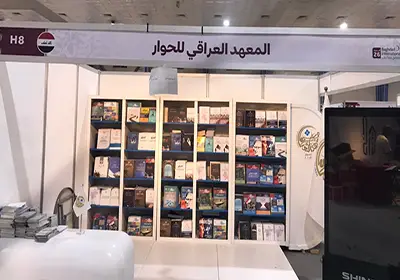
The Iraqi Institute for Dialogue, the logistical sponsor of the Baghdad International Book Fair, opens its own pavilion at the fair
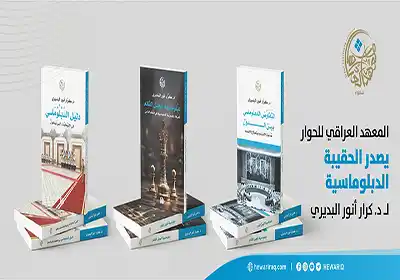
The Iraqi Institute for Dialogue publishes "The Diplomatic Portfolio" by Dr. Karrar Al-Badiri
Official agreement between Iraqi Institute for Dialogue and the Iraqi Media Network to sponsor The Seventh Annual International Conference of “Baghdad Dialogue” 2025
Invitation to the 79th issue of Dialogue of Thought
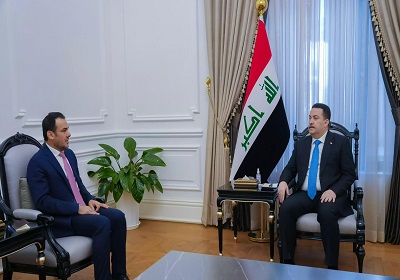
Prime Minister: The path of development will make Iraq a regional political and economic powerhouse
Seventh Baghdad International Dialogue Conference Call for Papers
Praise for the Baghdad International Dialogue: Strengthening Iraq's pivotal role and a meeting point for visions
Comments