



Interview with the Editor-in-Chief, Dr. Abbas Radi Al-Ameri
Dr. Ahmed Chalabi, President of the National Congress
In a comprehensive interview with Dr. Ahmed Chalabi, President of the National Congress, he provided a deep critical insight into the reality of financial management in Iraq and the most prominent weaknesses that the state suffers from in this vital area.
He also touched on the importance of strengthening the role of the legislative authority in oversight and legislation, as well as the need to lift restrictions on MPs' communication with the government and free the council from the hegemony of political blocs. Chalabi stressed the need for the independence and protection of the judiciary to achieve effective justice, as well as the role of the Federal Service Council and civil society organizations in supporting comprehensive reforms that can advance the country and accelerate its progress.
The following is a transcript of the interview
Thought Dialogue: What is your assessment of the financial management system in Iraq?
Dr.. Ahmed Chalabi:The financial management system in Iraq is miserable, and there are egregious violations of the laws and regulations governing state finances, as well as disregard for those laws and regulations.
The accounting systems are also weak, and the doors of spending are characterized by chaos and large sums spent without reduction in the budget, accompanied by weakness in financial control, and all of this was a door to financial corruption, and here I prefer to cancel or limit the Integrity Commission. The second point, which I believe had an impact on the current situation is a major mistake in the inspection system, as there should be a proactive inspection away from quotas and on professional grounds, and this has a role in distributing wealth fairly, providing job opportunities, development, providing services, encouraging savings ... etc. etc.
More than 28 trillion dinars were not amortized, which is approximately 24 billion dollars, and this is according to official reports, and we do not currently know where this money went, and is this not a reason for our situation today?
Dialogue of thought: How can the legislature strengthen its role in legislation and oversight of the executive branch, especially in light of the need to lift the restriction of addressing the government through one minister, affirming the right of MPs to accountability, and freedom from the control of political bloc heads?
Dr.. Ahmed Chalabi: To strengthen the legislative authority, and here are several important points, the most important of which is the confirmation of the right of the House of Representatives to legislate laws, and this is important and dangerous, as well as strengthening the capabilities of the legislative authority to monitor and ensure that the executive authority is under its eye and the legislative authority is accountable to it:
1) The restriction of addressing the government through a single minister should be lifted.
2) Establishing the right of questioning and setting dates for answering MPs' questions.
3) Freeing the House of Representatives from the control of political blocs and their presidents.
Especially since I feel that the liberation movement in the House of Representatives is constantly escalating, and there are deputies today who put pressure on the heads of the blocs, and I feel sorry for the lack of impulse among these heads, but rather their impulse towards side deals, so reducing the role of the heads of the blocs has a great impact on strengthening the legislative authority.
I also point out here that the legislative authority should have a role in policies and procedures and the use of experts in the work of committees and others.
Dialogue of thought:How can we strengthen the independence and professionalism of the judiciary and ensure its protection and immunity to ensure effective justice, and what is the role of forming the Federal Service Council and supporting civil society organizations in this context?
Dr.. Ahmed Chalabi: The third and important axis of reform is the judiciary, which is the practical way out of our problems today, but on condition of its independence and professionalism. We need a courageous and professional judiciary, and we must work in return to provide immunity for this authority and their representatives and provide them with the necessary means of training and other means and separation of powers to ensure its proper functioning.
From the above, working on the financial, legislative and judicial axis is the way out of our current situation, which is the reason for the delay in progress despite the passage of these years.
The formation of the Federal Service Council immediately and away from quotas has a major role, and we believe that the inappropriate selection of responsible persons has had an impact on the situation today, and this applies to most governments after 2003.
The last and important point is the fifth authority, civil society organizations, and working to support and develop them and listen to them, as they have a great role in diagnosis and assistance.

The Iraqi Institute for Dialogue, the logistical sponsor of the Baghdad International Book Fair, opens its own pavilion at the fair
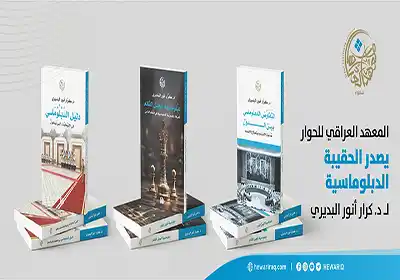
The Iraqi Institute for Dialogue publishes "The Diplomatic Portfolio" by Dr. Karrar Al-Badiri
Official agreement between Iraqi Institute for Dialogue and the Iraqi Media Network to sponsor The Seventh Annual International Conference of “Baghdad Dialogue” 2025
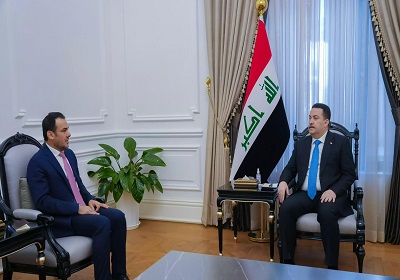
Prime Minister: The path of development will make Iraq a regional political and economic powerhouse
Invitation to the 79th issue of Dialogue of Thought
Seventh Baghdad International Dialogue Conference Call for Papers
Praise for the Baghdad International Dialogue: Strengthening Iraq's pivotal role and a meeting point for visions
Comments