


By Dr. Hussein Al-Mawla
The new draft protest law: Restricted freedom or legalized restriction?
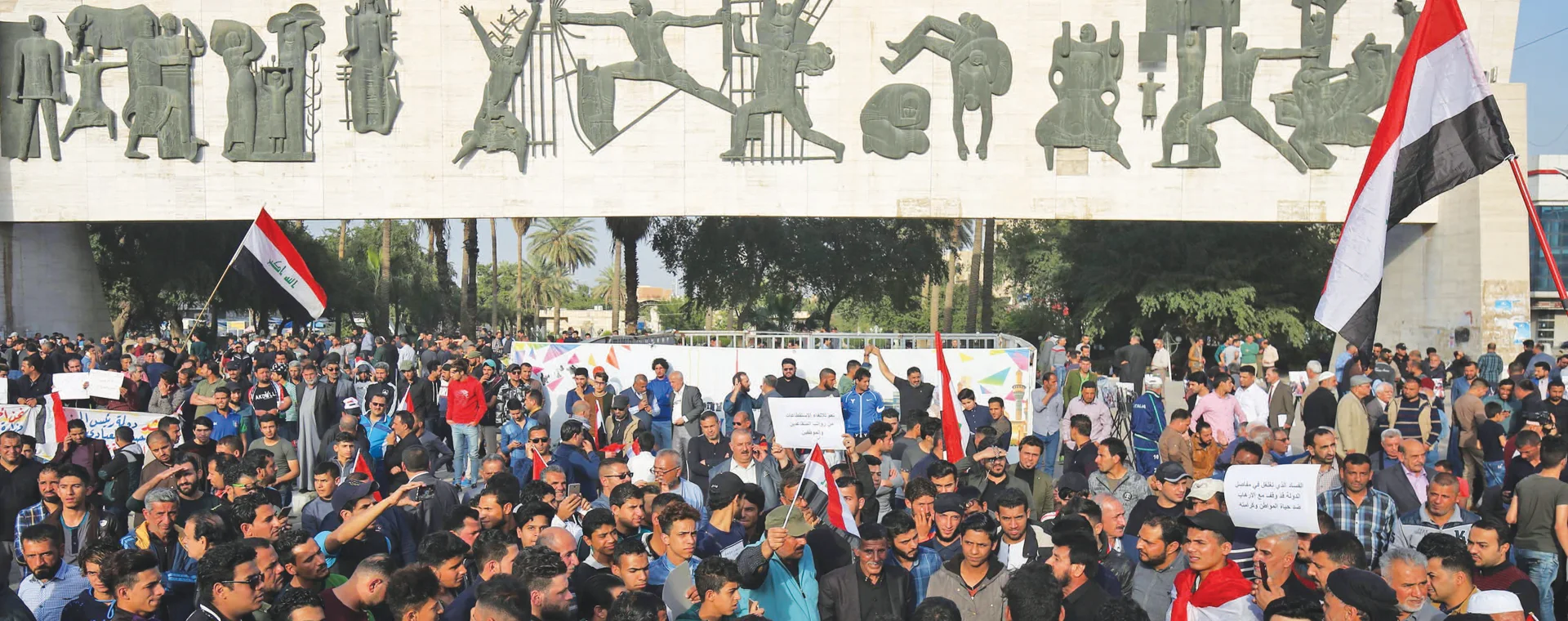
By reviewing the latest version of the draft law that will be presented for a vote on 2/8/2025, we record some notes that we find necessary in order to rectify the legislative work and come up with legislation that is consistent with international standards and their clear and accurate application.
The Freedom of Assembly and Peaceful Demonstration Act is the name that will be put to a vote after the term freedom of expression is abolished, which is commendable, given that freedom of expression is a term that cannot be restricted by words or phrases but needs precision and a set of actions that can be regulated.
The draft law also added the term "spontaneous assembly," which refers to emergency events that arise and are perceived by citizens as affecting their rights or freedoms, as the law stipulates that there must be evidence that the event cannot be postponed.
In response to this definition, who determines the evidence? What is the criterion for assessing it? Is it an objective element or the discretion of the security authorities? Also, the ambiguity here may lead to arbitrariness in application and turn the recognition of spontaneous assembly into an empty exception.
The law also abolished taking the permission of the head of the administrative unit and made it only to notify him, whether in written or electronic form, and it must be at least 4 days before the scheduled date, and must be submitted by 3 individuals who have the ability to act, and the head of the administrative unit must inform within 24 hours of receiving the notification of the written or electronic objection to organizing the public meeting or changing its location for security or organizational reasons, and if the organizers insist on holding the meeting or on their insistence on the specified location, they must inform the head of the administrative unit of their decision within 24 hours of informing them of the objection, and here is a discretionary authority for the head of the administrative unit.
The focus of the response to this text is that it is - formally - a legislative development in line with international standards, as freedom of demonstration does not require prior permission, but only administrative notification, and the shift towards electronic means reflects a contemporary trend towards digitization, which is administratively commendable, as for involving the judiciary in a function that is not in its nature, as the text gives the head of the administrative unit the authority to refer the matter to the Court of Appeals:
* Cancellation of the meeting
* Postponed
* or relocation
The issue here is twofold: the judiciary is used as an executive tool to restrict a constitutional right based on unilateral administrative discretion, and the court is not adjudicating a substantive dispute but rather an administrative request, turning it into a tool of restriction rather than protection, and the text gives the head of the administrative unit very broad discretionary power without controls, as the text grants the head of the administrative unit very broad "discretionary power" without objective controls (what exactly is meant by "security or organizational reasons"?
It is clear that the shift from authorization to notification is only a formality, because the final authority remains with the head of the administrative unit and not the judiciary. The judiciary is used as a legal "seal" - according to this text - for prior administrative decisions, not as a guarantor of freedoms, this restriction makes the exercise of the right hostage to the authority of the local authority, not the will of the people.
Even if the Court of Appeals decides to reject the request of the head of the administrative unit and choose a new date, it is a violation of all standards in this aspect, and there is no reason to involve the judiciary in this matter.
The draft law also mentions some of the prohibitions, some of which we mention, including road blocking, which is one of the prohibitions set by the law, a prohibition that needs to be regulated as well.
The draft law prohibits the carrying of weapons of all kinds from participants, even if they are licensed, and prohibits the carrying of cutting, poisonous, incendiary, incendiary, explosive, or any other material that causes harm to people or property.
The law prohibits the wearing of masks or hoods by assembled or peaceful protesters to intentionally conceal facial features.
The law allows the media to cover a public meeting, spontaneous gathering, peaceful demonstration or sit-in, and the security services must provide protection for journalists and media professionals, here the law recognizes an important protection, as well as the legality of the sit-in.
Through this, the legislator, especially in laws that regulate and restrict freedom, must be more precise and transparent in dealing with vocabulary and drafting texts, as they have a great impact on society.
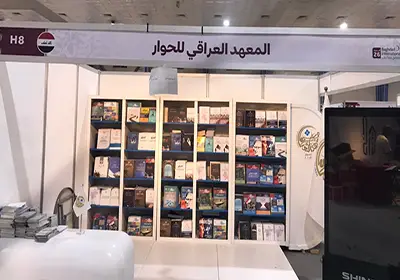
The Iraqi Institute for Dialogue, the logistical sponsor of the Baghdad International Book Fair, opens its own pavilion at the fair
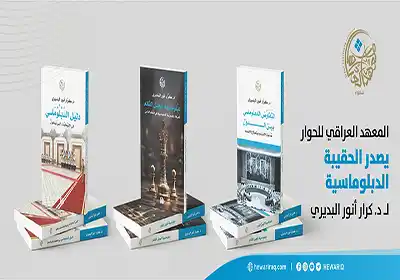
The Iraqi Institute for Dialogue publishes "The Diplomatic Portfolio" by Dr. Karrar Al-Badiri
Official agreement between Iraqi Institute for Dialogue and the Iraqi Media Network to sponsor The Seventh Annual International Conference of “Baghdad Dialogue” 2025
Invitation to the 79th issue of Dialogue of Thought
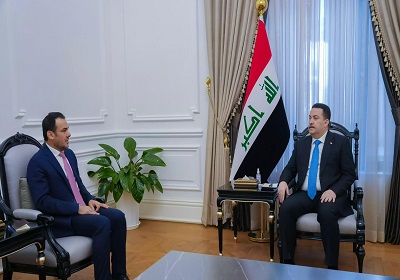
Prime Minister: The path of development will make Iraq a regional political and economic powerhouse
Seventh Baghdad International Dialogue Conference Call for Papers
Praise for the Baghdad International Dialogue: Strengthening Iraq's pivotal role and a meeting point for visions
Comments