


Translation: Iraqi Institute for Dialog
What sanctions will Iran get from the "trigger mechanism"?
The United Nations Security Council on Friday (September 19) failed to pass a draft resolution aimed at permanently lifting sanctions on Iran. As such, all previous council resolutions on Iran will be activated and regain their legal validity.
In late August 2025, the three European signatories to the nuclear deal (Britain, France, and Germany) announced the start of procedures to activate what is known as the "trigger mechanism" or Snapback. These countries informed the Security Council of their decision, which means entering a path that will lead to the reimposition of UN and European sanctions that were lifted after the signing of the nuclear deal in 2015.
The trigger mechanism is included in the text of the nuclear deal and UN Security Council Resolution 2231, which ratified it. It states that if Iran breaches its core obligations, UN sanctions can be reinstated without the need for unanimity within the council. When any party to the agreement notifies the council of Iran's non-compliance, a 30-day period begins. If a resolution extending the suspension of sanctions is not voted on, the previous sanctions are automatically reinstated without a vote, and Russia or China cannot use their veto power to block them.
This development means the revival of Six Security Council resolutions (1696, 1737, 1747, 1803, 1835 and 1929)which included comprehensive restrictions on everything from nuclear and missile programs to maritime and air transportation, as well as financial and banking sanctions.
The most important items of UN sanctions that will return
Nuclear activity:
-
Resolution 1696 (2006) required Iran to suspend uranium enrichment and plutonium reprocessing activities, including research and development.
-
Subsequent resolutions (1737, 1747, 1803) enshrined these obligations.
-
After Washington withdrew from the deal in 2018, Iran raised its enrichment level to 60 percent and increased its stockpile beyond the deal's ceiling, prompting the Europeans to activate the mechanism.
Missiles and weaponization: -
Resolution 1747 (2007) imposed the first direct embargo on arms exports to and from Iran.
-
Resolution 1929 (2010) was the most severe, prohibiting Iran from any activity related to ballistic missiles capable of carrying nuclear warheads and prohibiting the sale or purchase of heavy weapons (tanks, fighter jets, attack helicopters, warships, missile systems).
Sea and air transportation:
-
Resolution 1803 (2008) authorized the inspection of Iranian cargo at ports and airports.
-
Resolution 1929 (2010) expanded powers to include inspection of vessels on the high seas, gave states the right to confiscate or destroy prohibited items, and prohibited the provision of fuel and services to Iranian vessels except in humanitarian situations.
Financial and banking sanctions:
-
Resolution 1737 (2006) froze the assets of a number of individuals and entities linked to the nuclear program.
-
The list was later expanded to include scientists, officials, and companies linked to the Defense Ministry and the Revolutionary Guards.
-
Resolution 1803 required countries to monitor financial transactions with major Iranian banks (such as Bank Melli and Bank Saderat) and prevent the global banking system from being used to support nuclear or missile activities.
Control mechanisms:
-
Resolution 1737 established a sanctions committee to monitor implementation, while Resolution 1929 added a panel of experts to monitor attempts to circumvent restrictions.
European Union: Return of sanctions not automatic but certain
Unlike Security Council resolutions, European sanctions are not automatically reinstated and require a new political decision by the EU Council. However, European legal texts since 2015 provide for the reimposition of all sanctions if there is a "material breach of the nuclear agreement."
European sanctions are expected to return:
-
Oil and petrochemicals: Prohibiting the purchase or import of Iranian oil and its derivatives and prohibiting the provision of financial and insurance services for transportation and shipping.
-
Investments and energy: Prohibit investment or transfer of technology and equipment to Iran's oil, gas and petrochemical industries.
-
Precious metals: A ban on trading gold, silver and diamonds with the Iranian government and central bank.
-
Financial transactions: Capping remittances, requiring banks to double-check, and cutting off some Iranian banks' access to SWIFT.
-
Transportation and shipping: Preventing Iranian airlines and shipping companies from entering European ports and airports and denying them maintenance and insurance services.
Economic and Political Implications
The reinstatement of U.N. and European sanctions would mean a return to the conditions before the 2015 nuclear deal, when Iran faced severe economic and diplomatic isolation. These measures will increase pressure on the energy sector, the backbone of the country's economy, and deepen its financial and livelihood crisis.
Coinciding with recent military tensions between Iran, Israel, and the United States complicates any prospects for an imminent diplomatic dialogue. At the same time, this development presents Russia and China with a difficult dilemma: They cannot legally prevent the return of UN sanctions, despite their strategic partnership with Tehran.

The Iraqi Institute for Dialogue, the logistical sponsor of the Baghdad International Book Fair, opens its own pavilion at the fair

The Iraqi Institute for Dialogue publishes "The Diplomatic Portfolio" by Dr. Karrar Al-Badiri
Official agreement between Iraqi Institute for Dialogue and the Iraqi Media Network to sponsor The Seventh Annual International Conference of “Baghdad Dialogue” 2025

Invitation to the 79th issue of Dialogue of Thought
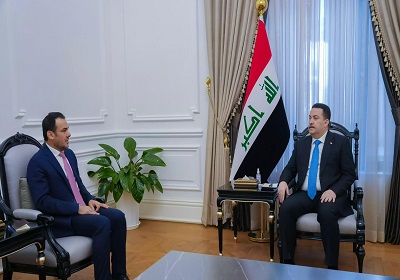
Prime Minister: The path of development will make Iraq a regional political and economic powerhouse
Seventh Baghdad International Dialogue Conference Call for Papers
Praise for the Baghdad International Dialogue: Strengthening Iraq's pivotal role and a meeting point for visions
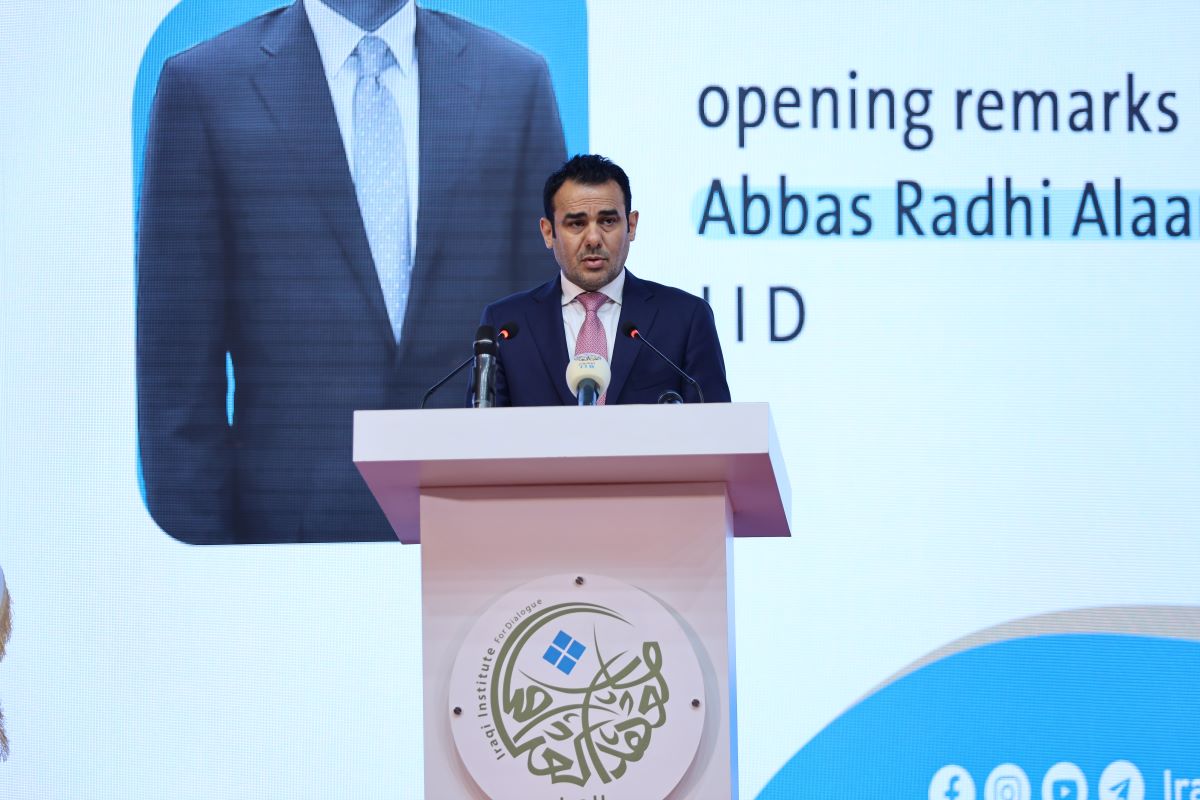
Comments