


Forgotten Biological Crimes: Postwar Japan and America
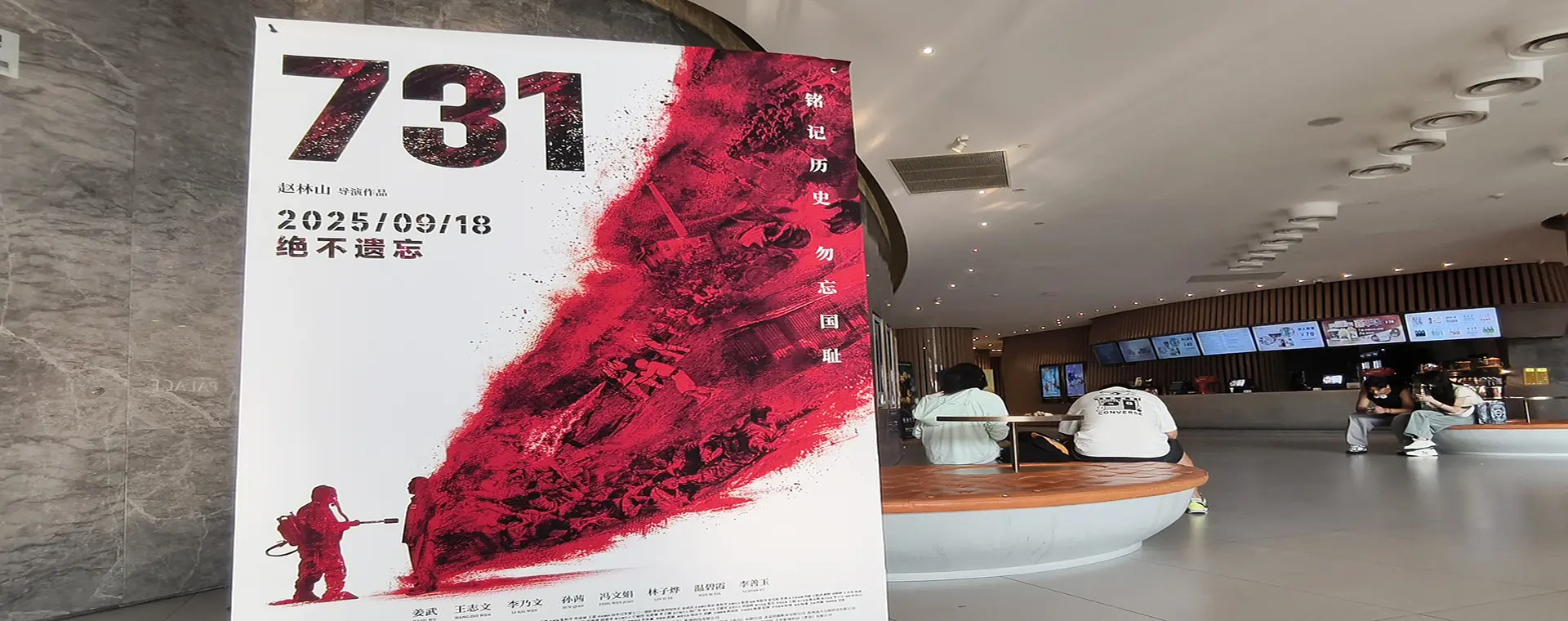
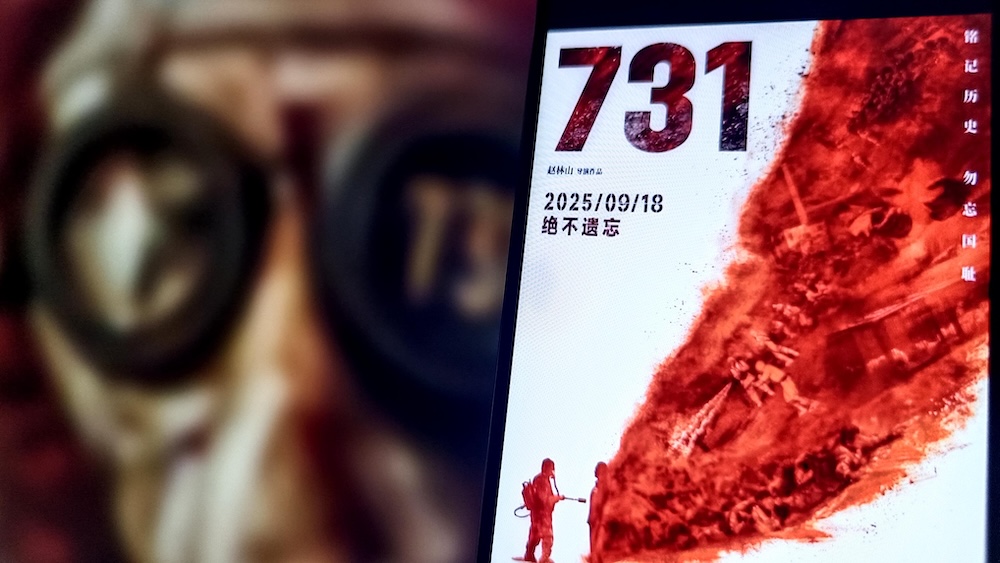
The highly anticipated cinematic version of the documentary "Evil Unbound," which exposes the crimes of Japan's Unit 731, known for its human experimentation and use of biological weapons during the war in China between 1932 and 1945, was released in China on May 18, 2025. The film was shown at a symbolic time of 9:18 a.m., in honor of the anniversary of the "September 18 Incident" on which Japanese forces began their invasion of China in 1931.
Directed by Zhao Linshan, the film has been well-received, with advance booking revenue exceeding $14 million and more than four million people expressing interest in seeing it. The director said his goal was to "save history from being forgotten" and "open the wound for healing."
Unit 731: A History of Horror and Human Experimentation
Unit 731 was a secret Japanese military unit responsible for bacterial warfare and brutal human experimentation on thousands of captured Chinese, Koreans, Soviets, and Westerners. The experiments were conducted in Harbin, northeast China, where Imperial Japan established the world's largest biological base in 1936.
The experiments included torture with pathological injuries, forced dehydration, biological weapons tests, low-pressure chambers, live dissection, organ harvesting, amputation, and conventional weapons tests, resulting in the direct death of some 14,000 people and infecting some 300,000 others with infectious diseases.
Impunity with U.S. support
After World War II, Japan's top military leaders responsible for these crimes were not tried at the Tokyo Military Tribunal, supported by General Douglas MacArthur, who saw Emperor Hirohito as essential to Japan's stability and reconstruction, and to the United States' Cold War goals against the Soviet Union.
General Shiro Ishii, director of Unit 731, was granted immunity by US authorities and later became a lecturer at the US Fort Detrick Laboratory, involved in US biological warfare programs during the Korean War, while other war criminals benefited from direct or indirect US support to reach official positions, such as Nobusuke Kisei, who later became Prime Minister of Japan.
The historical lesson and its modern extensions
Researcher Dan Steinbock explained that these crimes show how biological and political criminals can go unpunished when backed by powerful interests. This was later reflected in the United States' experiments on its military and civilian citizens, including the MK Ultra program of psychological rape and forced confessions, which targeted the poor, minorities, children and the mentally ill.
Steinbock said: "If we ignore these historical trajectories, we will repeat them in the future. "When evil is rewarded, moral collapse is only a matter of time.
Evil Unbound is a stark reminder of Japan's biological warfare crimes, America's role in impunity, and the lessons history holds for justice and moral responsibility for victims.

The Iraqi Institute for Dialogue, the logistical sponsor of the Baghdad International Book Fair, opens its own pavilion at the fair

The Iraqi Institute for Dialogue publishes "The Diplomatic Portfolio" by Dr. Karrar Al-Badiri

Official agreement between Iraqi Institute for Dialogue and the Iraqi Media Network to sponsor The Seventh Annual International Conference of “Baghdad Dialogue” 2025

Invitation to the 79th issue of Dialogue of Thought

Prime Minister: The path of development will make Iraq a regional political and economic powerhouse
Seventh Baghdad International Dialogue Conference Call for Papers

Praise for the Baghdad International Dialogue: Strengthening Iraq's pivotal role and a meeting point for visions
Comments