


Translation: Iraqi Institute for Dialog
Trump outlines a plan for Gaza Managing a Crisis or Ending a War
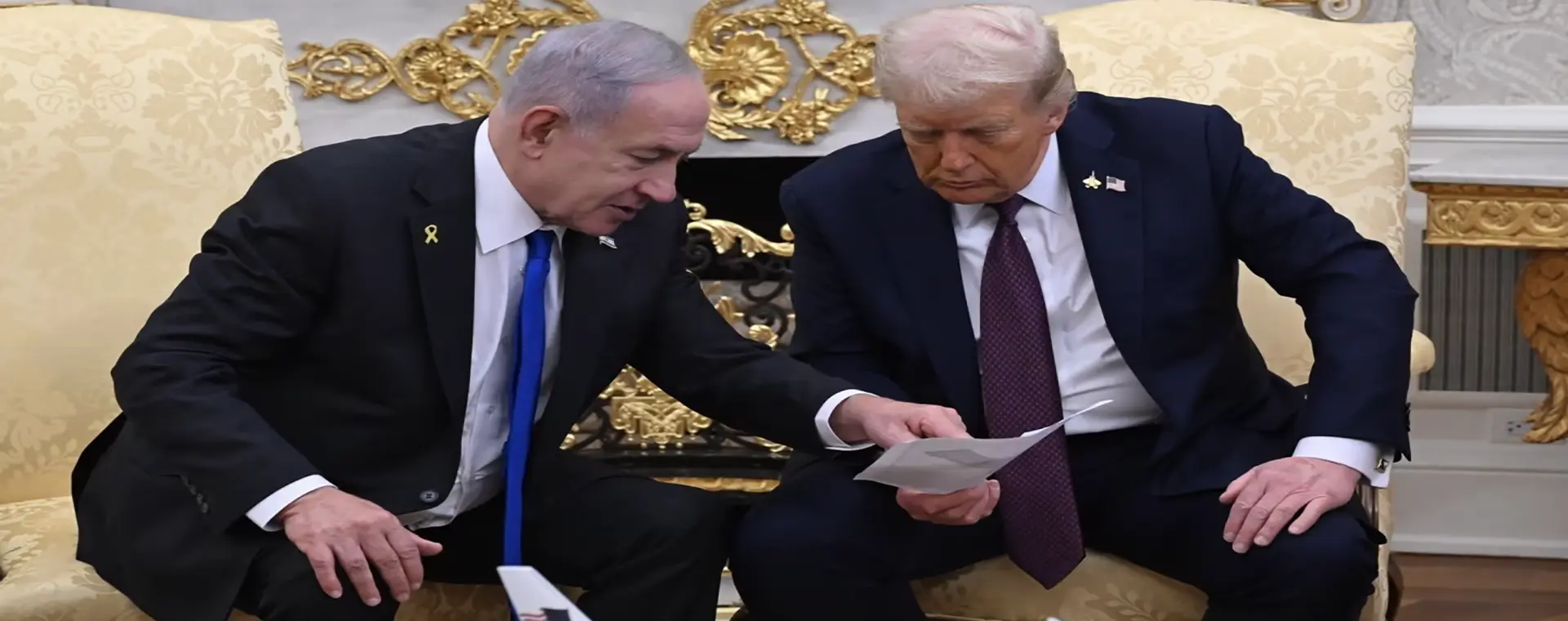
The recent meeting between Benjamin Netanyahu and Donald Trump in Washington, followed by the Israeli prime minister's unexpected apology to Qatar and Trump's new plan to end the war in Gaza, raised questions about the seriousness of the proposed solutions and their ability to achieve real stability in the region.
Netanyahu's apology: Diplomatic message or tactical calculation?
On the ground level, Netanyahu's apology for the recent attack on Qatar, which targeted Hamas leaders, is not just a diplomatic move, but the result of regional pressures and cost-benefit calculations for the Israeli government.
This includes concerns about regional backlash, pressure from America's allies in the region, and the need to rebuild Washington's credibility with key players in the Gulf. The apology reflects Tel Aviv's wavering ability to comprehensively implement plans to end the crisis in Gaza, which Israeli forces have previously warned against.
American plan: Managing the crisis rather than solving it
Politically and strategically, the plan presented by Washington reflects a desire to "manage the crisis" rather than fundamentally resolve it. The plan symbolically includes a cessation of war and aid through the UN, but its overall structure is designed to favor Israel, with security, political, and economic guarantees that grant limited gains to the Palestinians and reaffirm the logic of occupation. These solutions typically lack mechanisms to build trust and ensure long-term implementation, making them very difficult for the Palestinian side to accept.
Hamas and the Resistance Axis: Conditions for acceptance
From the perspective of Hamas and the resistance axis, this plan represents a repetition of previous failed versions. To accept any agreement, Hamas needs guarantees beyond a temporary ceasefire, including lifting the blockade, reconstruction under effective supervision, real participation in the administration of Gaza, and legal safeguards to prevent land restitution or forced displacement. Thus, Hamas is likely to reject or be reluctant to accept the current plan.
The Resistance's Strategic Success
At the strategic level, recent developments show that the resistance has succeeded in rebalancing the balance of power, forcing external players to modify their policies or tactically retreat. This partial success was achieved at great human and political cost, including hundreds of thousands of casualties and widespread destruction of humanitarian and economic infrastructure.
Messages to regional and international actors
The strategic messages are clear:
Any sustainable solution needs a combination of security guarantees, economic reconstruction, and restoration of local sovereignty.
America and Israel must move beyond unilateral and symbolic policies and recognize the rights of Palestinians and their real contribution to decision-making.
The international community should monitor symbolic measures and emphasize verification mechanisms and requirements for aid.
Conclusion
The meeting between Netanyahu and Trump and the accompanying plan lack the elements of a sustainable solution. The resistance has so far succeeded in preventing the realization of some of the other side's goals, but this partial victory needs to be converted into tangible gains through low-cost political solutions with a focus on reconstruction and guaranteeing legal rights. Otherwise, the cycles of violence and crises in Gaza and the region will continue.

The Iraqi Institute for Dialogue, the logistical sponsor of the Baghdad International Book Fair, opens its own pavilion at the fair
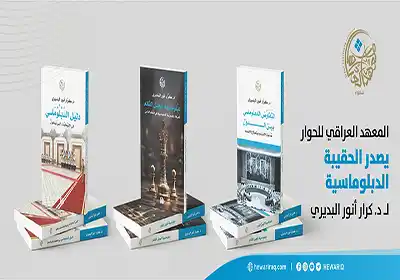
The Iraqi Institute for Dialogue publishes "The Diplomatic Portfolio" by Dr. Karrar Al-Badiri
Official agreement between Iraqi Institute for Dialogue and the Iraqi Media Network to sponsor The Seventh Annual International Conference of “Baghdad Dialogue” 2025
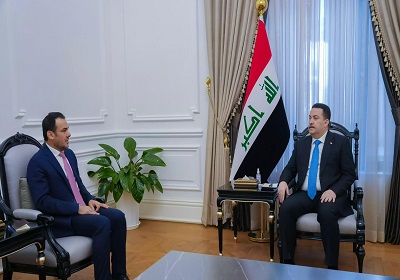
Prime Minister: The path of development will make Iraq a regional political and economic powerhouse

Invitation to the 79th issue of Dialogue of Thought
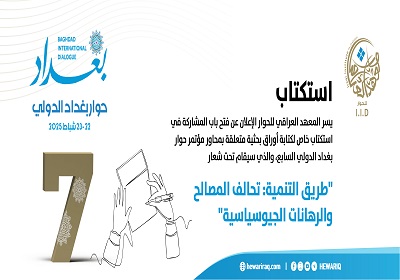
Seventh Baghdad International Dialogue Conference Call for Papers
Praise for the Baghdad International Dialogue: Strengthening Iraq's pivotal role and a meeting point for visions
Comments