


Achuth Anil – Researcher specializing in international relations and geopolitical dynamics
The Chinese model: Today's Stability, Tomorrow's Risks?
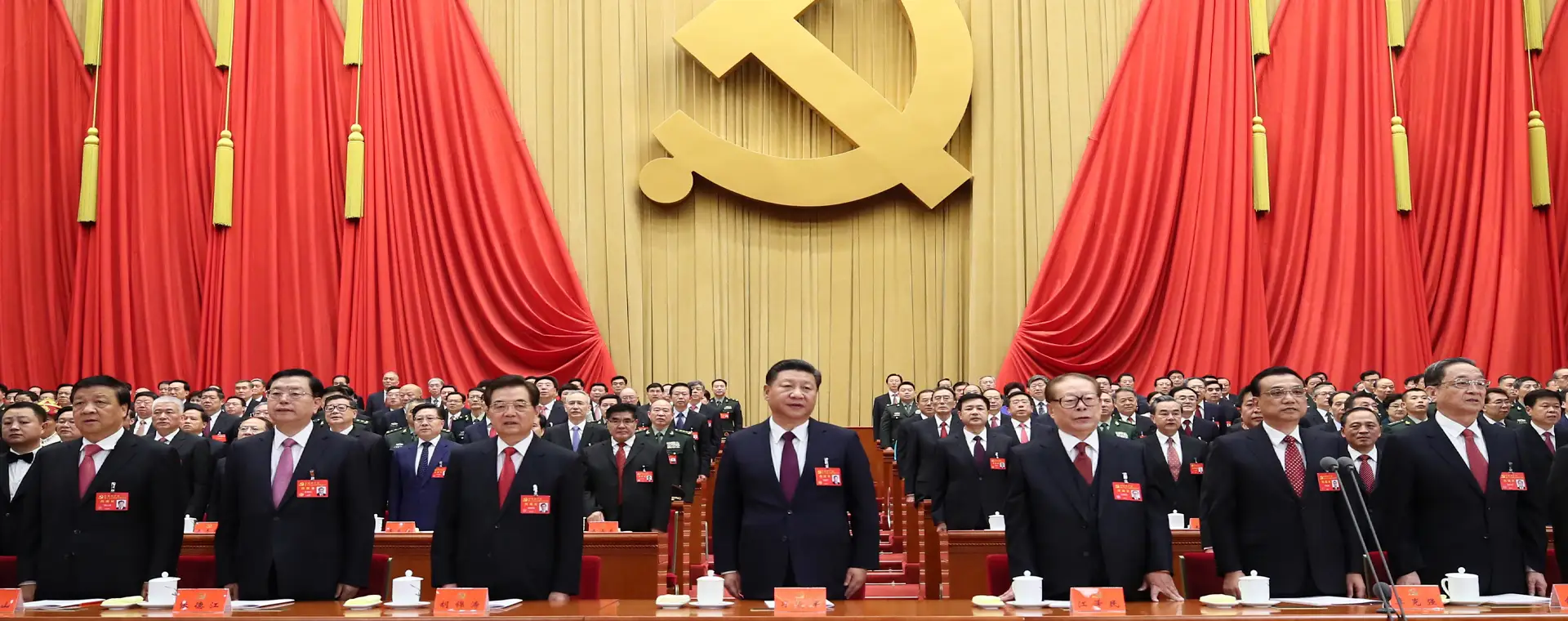
With China's rapid growth in recent decades, and under the strict management of the Communist Party, it has become necessary to reexamine the structure of authoritarian rule, which, in a way, is a well-established model for running the state with a high degree of control.
China has transformed from an impoverished agrarian society into a global economic powerhouse, and is now the world's second-largest economy in terms of nominal GDP. According to World Bank data, the number of Chinese living on less than $1.90 a day between 1980 and 2020 fell by 770-800 million people. This shift has raised questions about the effectiveness of China's state-directed, market-oriented model under the one-party system.
Economic development under party rule
China's economic performance is astounding, it is the center of global manufacturing. The country has spent heavily on infrastructure, education, and technology. GDP has been rising at 10% per year for decades, bringing millions of people into the middle class and making the Chinese model the center of global attention. The Communist Party and the Chinese government are credited with creating jobs, raising the standard of living, and strengthening national power.
The party uses these achievements to justify its monopoly on power, emphasizing "high-quality development" and economic prosperity for all, while maintaining influence in important industries and balancing market reforms with government guidance through five-year plans and industrial strategies.
However, the question remains about theWhich model is better?"The Chinese model has its challenges, such as slowing population growth and an aging population.
Researcher Christopher Cooley points out that there is no clear international experience to emulate the Chinese model, and that it cannot be said that dictatorships outperform democracies in terms of development, but rather that democracies often achieve better results. China's rapid growth shows that an authoritarian government can achieve rapid growth, but it does not mean that authoritarianism is the best or only path to success.
Centralization of power under Xi Jinping
Xi Jinping's reign has brought about a shift toward a more authoritarian regime. In the past ten years, he has weakened many of the institutional checks and balances established by his predecessors. In 2018, the legislature abolished presidential term limits, giving Xi the ability to rule indefinitely. Decision-making power has been transferred from government departments to Communist Party committees that report directly to him.
The anti-corruption campaign and strict party discipline have reinforced the centralization of power, but have reduced internal debate and encouraged a personal cult. Critics point out that the concentration of power in the hands of one person could lead to unpunished mistakes in the economy or foreign policy.
Stability and Authoritarian Legitimacy
The Chinese model is said to provide stability, with the Party focused on maintaining order and enforcing regulations through programs such as the "social credit" system and surveillance. For many Chinese, especially older generations, sacrificing some rights for security and prosperity seems reasonable. The Communist Party's legitimacy is based on ideology, economic results, and patriotism, unlike democratic legitimacy based on the protection of rights and free elections.
The system presents itself as "inclusive democracy," when in reality it refers to regulated and restricted participation.
Internationally, China's success shows that economic development does not necessarily lead to democracy, and that institutional stability and a strong democracy often provide sustainable growth and greater innovation. The Chinese model demonstrates that rapid development can be achieved through authoritarianism, but it also exposes the risks associated with a lack of controls.
Conclusion
Xi Jinping's China is a model that illustrates the strengths and weaknesses of centralized governance and the state's ability to make quick decisions, but the sustainability of this model depends on the rule of a single individual. The question remains: can this system adapt in the long term, or are more complex but more sustainable liberal and democratic institutions the better path? This debate determines the future of legitimacy and progress in the 21st century.

The Iraqi Institute for Dialogue, the logistical sponsor of the Baghdad International Book Fair, opens its own pavilion at the fair
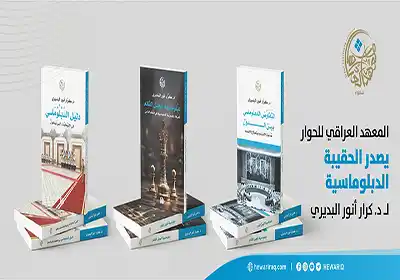
The Iraqi Institute for Dialogue publishes "The Diplomatic Portfolio" by Dr. Karrar Al-Badiri
Official agreement between Iraqi Institute for Dialogue and the Iraqi Media Network to sponsor The Seventh Annual International Conference of “Baghdad Dialogue” 2025
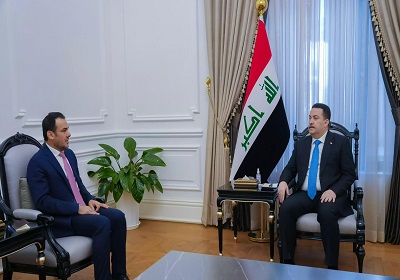
Prime Minister: The path of development will make Iraq a regional political and economic powerhouse

Invitation to the 79th issue of Dialogue of Thought
Seventh Baghdad International Dialogue Conference Call for Papers
Praise for the Baghdad International Dialogue: Strengthening Iraq's pivotal role and a meeting point for visions
Comments