


Translation: Iraqi Institute for Dialog
The return of oil through Ceyhan A test of the rapprochement between Baghdad, Washington and Ankara
Noam Raydan and Soner Chaghabtai of the Washington Institute for Near East Policy analyzed the economic and political dimensions of the resumption of oil pumping from the Kurdistan Region of Iraq to the Turkish port of Ceyhan after more than two years, arguing that this development represents an important step that could contribute to rebalancing the trilateral relations between the United States, Turkey and Iraq, despite the bureaucratic, security and political challenges it faces.
Background of the agreement
Oil exports from northern Iraq resumed in late September following a US-brokered agreement between the federal government in Baghdad, the Kurdistan Regional Government (KRG) and international oil companies operating in the region. The development coincided with a meeting at the White House between US President Donald Trump and Turkish President Recep Tayyip Erdogan, where Trump asked Ankara to stop importing discounted Russian oil.
Washington seeks to use Iraqi oil exports as a tool to pressure Moscow as it works to improve the business environment for U.S. companies in Iraq, while Ankara seeks to strengthen its standing with Washington and reduce its dependence on Russian energy.
Turkish corner
Turkey is a major importer of Russian oil, but it can gradually reduce this dependence. Oil from northern Iraq has a quality comparable to Russia's Urals crude, making it a viable alternative for Ankara, which fears the repercussions of European sanctions on Moscow.
The researchers emphasize that Washington should continue its efforts to stabilize the agreement between Baghdad and Erbil to keep supplies flowing and support "development road" projects that connect Iraq and Turkey with a network of roads, rails, and pipelines.
Politically, Turkey sees the restart of the pipeline as part of a strategy to "replace Iranian influence with Turkish money" by deepening economic cooperation with Baghdad to avoid a security vacuum after the gradual U.S. withdrawal.
Ankara's relations with Washington
Ankara is currently trying to rebuild its military relationship with the United States after years of tension over the Russian S-400 missile deal. Trump is expected to use his powers to grant a waiver from CAATSA to enable the F-35 deal, in exchange for Turkish confidence-building steps that include resuming the flow of Iraqi oil through Ceyhan, reducing dependence on Russian crude, and increasing imports of U.S. liquefied natural gas.
Details of the oil agreement
The interim agreement stipulates a three-month test period for restarting the pipeline, with an independent Western consulting firm assessing production and transportation costs and settling financial dues to international oil companies (IOCs). After the end of December, the agreement will be reviewed monthly.
The KRG currently produces its oil from eight fields operated by American companies including HKN Energy and Hunt Oil, with a combined investment of more than $5 billion. About 180,000 to 190,000 barrels per day will be delivered to the Iraqi Oil Marketing Company (SOMO), which will exclusively sell the oil on international markets.
However, volumes will not return to pre-2023 levels, when the pipeline was transporting around 400,000 barrels per day before it was halted by an international arbitration ruling that obliged Ankara to pay Baghdad $1.5 billion.
Compared to Russian imports
Before the line was halted, Kurdish oil destinations included Italy, Greece, Israel, Croatia, and Turkey. Kpler data suggests that Turkish refineries could be the biggest beneficiary of a resumption of Iraqi flow, especially as the full European ban on Russian-derived products comes into effect in 2026.
During the first nine months of 2025, Turkey imported about 309,000 barrels per day of Russian oil through Toprash and SOCAR, making Iraqi crude a potential alternative in the next phase.
Implications for U.S. Policy
The agreement faces multiple challenges, including administrative and financial disputes between Erbil and Baghdad, the need to develop a comprehensive mechanism to regulate production and exports, as well as security threats, after some Kurdish fields were previously subjected to drone attacks attributed to pro-Iranian factions.
However, the study argues that the benefits outweigh the challenges: Resuming exports would boost Iraq's income, open up space for U.S. companies, and provide Washington with additional leverage over Russia by reducing Turkey's dependence on Russian oil. Supporting political and economic stability in Iraq, OPEC's second-largest producer, is in the interest of the global energy market.
Washington's continued involvement in fostering dialogue between Baghdad and Erbil is vital, both to secure a stable environment for its investments in the energy sector and to balance Iranian and Turkish influence inside Iraq.
Summary of the report
The resumption of oil pumping through the Iraq-Turkey pipeline is not just an economic deal, but a strategic move to rearrange the balance of power in the region. The success of the agreement means opening a new chapter in cooperation between Washington, Ankara and Baghdad, and confirms that oil remains a central tool in shaping alliances and policies in the Middle East.
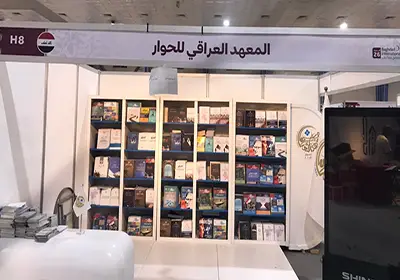
The Iraqi Institute for Dialogue, the logistical sponsor of the Baghdad International Book Fair, opens its own pavilion at the fair
Official agreement between Iraqi Institute for Dialogue and the Iraqi Media Network to sponsor The Seventh Annual International Conference of “Baghdad Dialogue” 2025
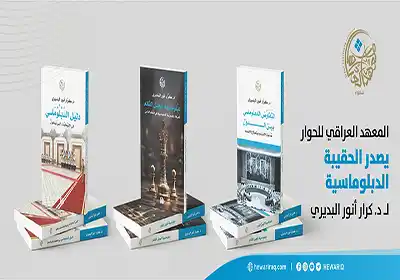
The Iraqi Institute for Dialogue publishes "The Diplomatic Portfolio" by Dr. Karrar Al-Badiri

Invitation to the 79th issue of Dialogue of Thought
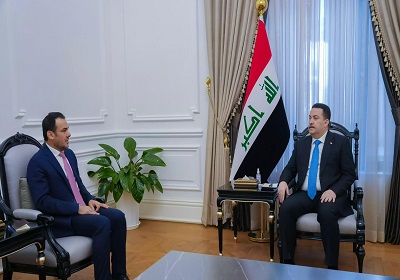
Prime Minister: The path of development will make Iraq a regional political and economic powerhouse
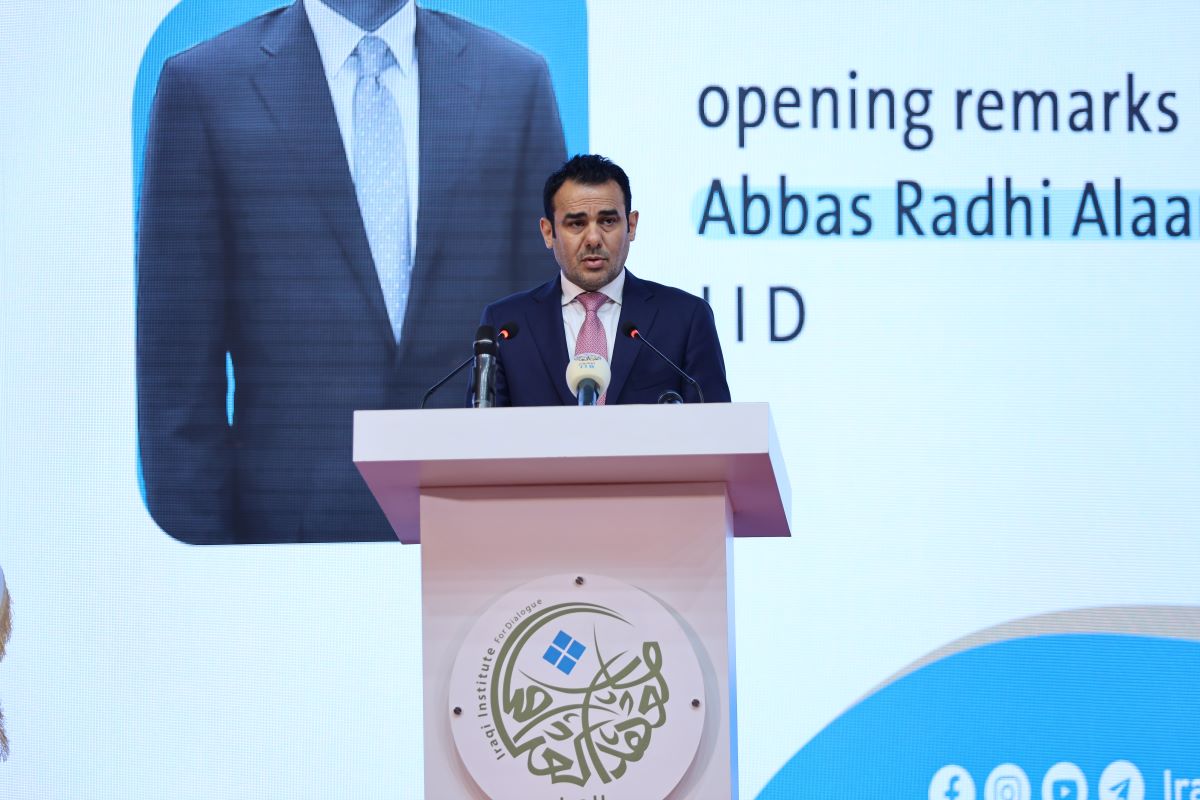
Speech of the Director of the Iraqi Institute for Dialog at the Sixth Baghdad International Dialog Conference
Seventh Baghdad International Dialogue Conference Call for Papers
Comments