


Translation: Iraqi Institute for Dialog
Study: Generations are diverging: America's priests between orthodoxy and moderation
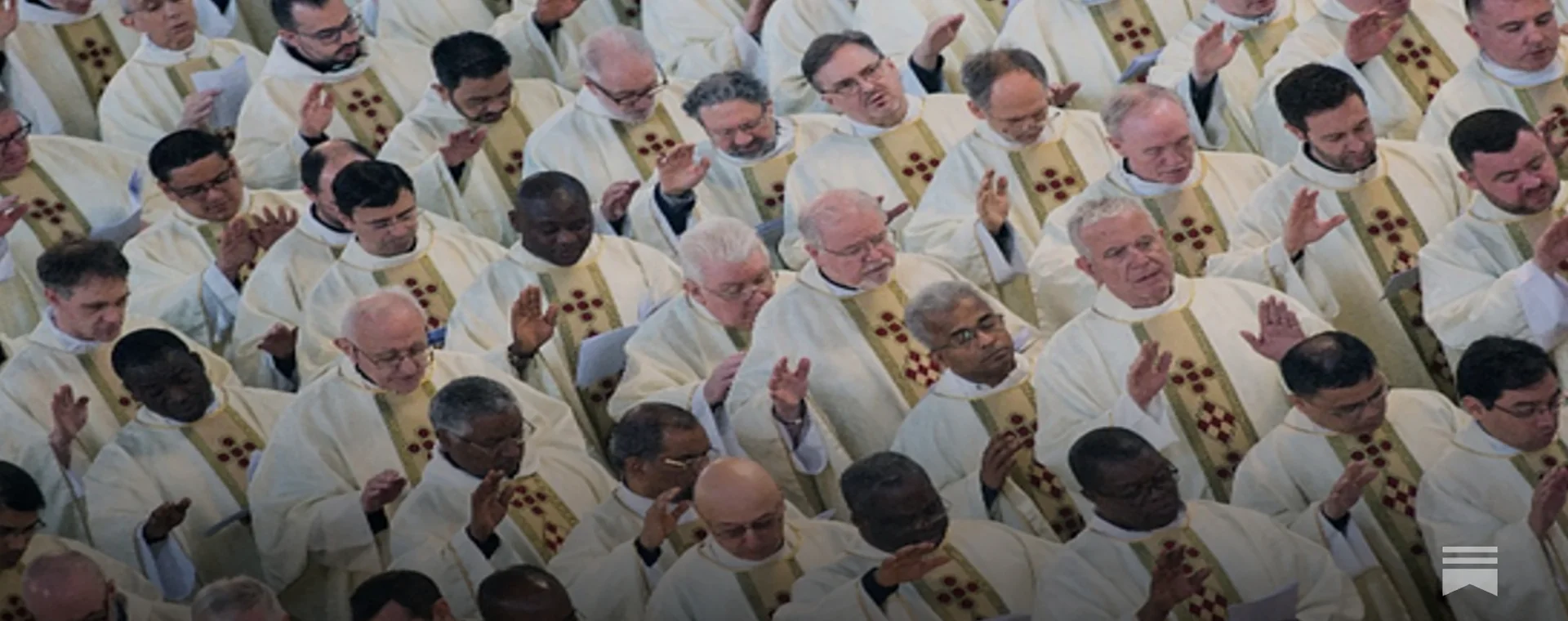
A new comprehensive study of priests in the United States, conducted by the Catholic Project at the Catholic University of America, has highlighted sharp differences in outlook and experience between older and younger priests.
According to the "National Study of Catholic Priests 2025," the results of which were released Oct. 14, younger priests were more likely to describe themselves as theologically orthodox and politically moderate, more likely to see access to the traditional Latin Mass as a priority, feel lonely, and believe they are called upon to do many things outside of their priestly vocation.
The study also showed that younger priests were less likely to believe that synodalism should be a priority, and less concerned about the influence of women in the church than their older colleagues.
The study follows the 2022 National Study of Catholic Priests, the largest in more than 50 years, which showed that priests are largely thriving personally, despite deep distrust of bishops and fears of false accusations of harassment.
Subsequent analysis in 2023 showed a significant drop in the proportion of new priests who described themselves as "theologically progressive" compared to previous generations.
The Theological Generational Gap
The 2025 report confirmed a clear theological gap between older and younger priests. While more than 70 percent of priests ordained before 1975 described themselves as theologically progressive, only 8 percent of those ordained after 2010 did so.
The survey, conducted by Gallup in May and June 2025 among 1,164 priests, reported that more than 70 percent of the youngest priests described themselves as "conservative/orthodox" or "very conservative/very orthodox."
The report also noted a clear generational shift in political attitudes, with moderates making up a larger share of the newer generations. While only 25 percent of priests ordained before 1975 were politically moderate, the figure rose to 37 percent after 2010.
More than 61% of pre-1975 priests described themselves as somewhat or very politically liberal, and less than 15% were conservative, while only about 10% of those ordained after 2010 described themselves as liberal, and 51% were somewhat or very conservative.
However, the study highlighted that priests across the political spectrum are concerned about the Trump administration's policies, with two-thirds of self-described "very conservative" priests expressing at least partial concern, while 83% of conservative priests expressed the same concern.
The age gap in priorities
There were clear generational differences in priests' priorities. Only 11% of priests ordained before 1980 considered access to the Traditional Latin Mass a priority, compared to 20% among those ordained between 1980 and 1999, and 39% among those ordained in the 21st century.
Many American bishops curtailed the celebration of Mass in the 1962 Tridentine Rite after the publication of Pope Francis' 2021 document Traditionis custodes, which effectively reversed Pope Benedict XVI's more liberal policy toward the ancient rite.
Younger priests were more likely to focus on sacramental fidelity, and less likely than older priests to focus on climate change, immigration, the LGBT community, poverty, racism, and social justice.
The study showed significant generational differences regarding synodality, a term coined by Pope Francis to describe a path of spiritual renewal and structural reform that enables the Church to be more participatory and mission-oriented.
Only 29% of new priests after 2000 considered synodalism a priority, compared to 57% between 1980-1999 and 77% before 1980.
Levels of concern about the influence of women in the Church, one of the main themes of the 2021-2024 global synodal process overseen by Pope Francis, also varied. More than two-thirds of pre-1980 priests were very concerned, compared to about half of those ordained between 1980 and 1999, and only 20 percent after 2000.
Feeling disconnected and lonely
The study showed that priests felt disconnected from the synodal process. When asked if the Synod on Synodalism was a waste of time, 37% of priests agreed, while 39% disagreed.
Only 28% said they felt fully immersed in the process, while 36% did not, and only 25% said the process was beneficial to their ministry work, while 42% felt it was not.
Although priests continued to report high levels of personal fulfillment three years later, loneliness was more pronounced among the new generation of priests.
Only 27% of priests before 1975 categorized themselves as "lonely," compared to 34% between 1980-1999 and 40% after 2000. "Priests who have served longer are less likely to feel lonely," the authors conclude.
There was also a clear difference when priests were asked if they were required to do things outside of their priestly vocation. 13% of those ordained before 1980 agreed, compared to 38% between 1980-1999 and 45% after 2000.
The report noted that generational differences reflect a growing concern about the sustainability of priestly ministry, especially as the demands of the parish increase, and may also reflect differences in understanding the meaning of the priestly vocation between generations.
Since 2000, many U.S. parishes have closed and merged as a result of demographic changes, and the study showed that while most priests are responsible for one parish, 23% oversee two parishes, and 17% three or more.
The report found that younger priests reported more burnout and loneliness than older generations, and a higher percentage considered themselves asked to do more than they should.
As the older generation retires, these young priests are expected to be asked to take on more responsibilities, which could increase the likelihood that burnout will continue to rise, the report noted.
Mental Health and Trust in Bishops
The study suggested that the mental health of American priests is generally good, although 11% reported receiving therapy or mental health counseling.
The report noted that there are significant potential differences between dioceses regarding stressors on priests, including restructuring, bankruptcy or similar circumstances.
Despite the uncertainty, trust in bishops rose slightly from 22% in 2022 to 27% in 2025.
The researchers also assessed priests' opinions of Pope Leo XIV, who was elected on May 8, 2025 after the death of Pope Francis on April 21. Eighty-six percent of priests said they have a great deal or very great deal of confidence in him, while 80 percent expected relations between the Vatican and the U.S. Church to improve to a moderate or great degree.

The Iraqi Institute for Dialogue, the logistical sponsor of the Baghdad International Book Fair, opens its own pavilion at the fair
Official agreement between Iraqi Institute for Dialogue and the Iraqi Media Network to sponsor The Seventh Annual International Conference of “Baghdad Dialogue” 2025
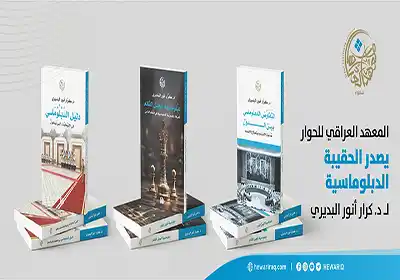
The Iraqi Institute for Dialogue publishes "The Diplomatic Portfolio" by Dr. Karrar Al-Badiri
Invitation to the 79th issue of Dialogue of Thought
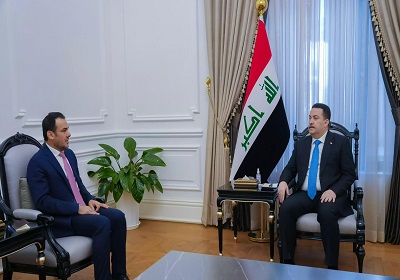
Prime Minister: The path of development will make Iraq a regional political and economic powerhouse
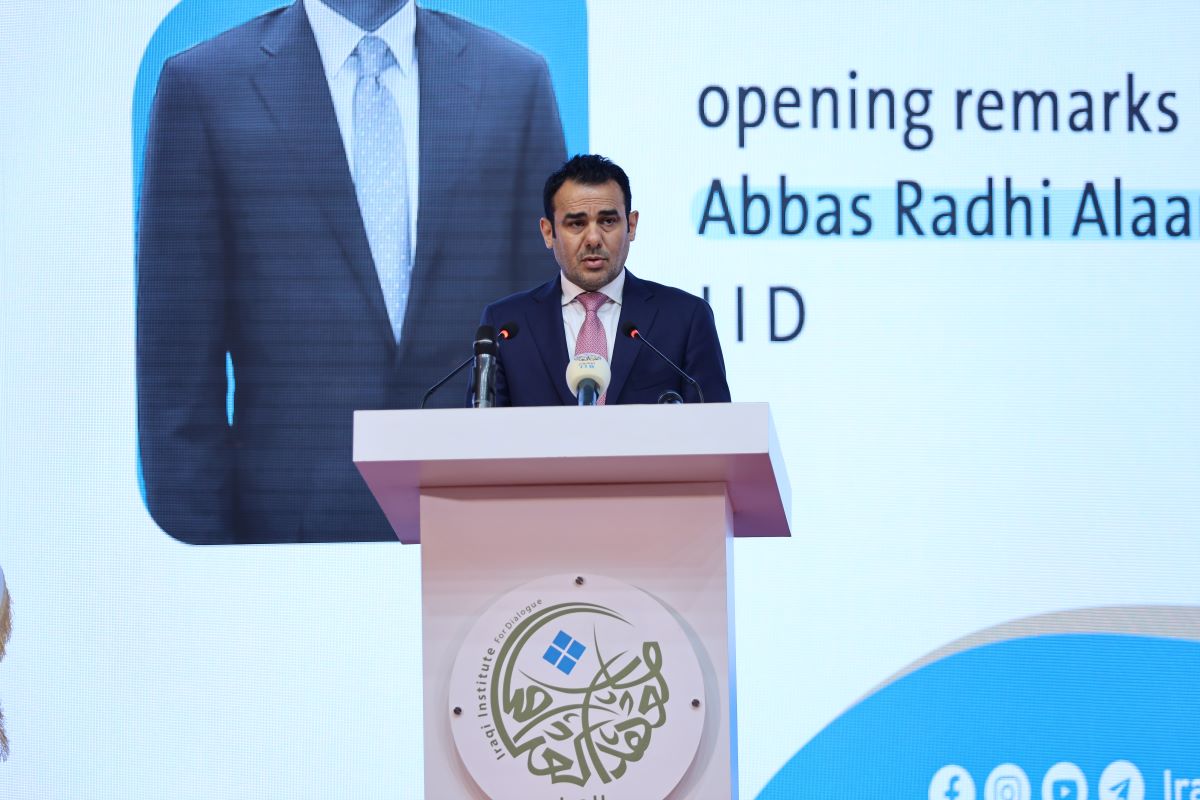
Speech of the Director of the Iraqi Institute for Dialog at the Sixth Baghdad International Dialog Conference
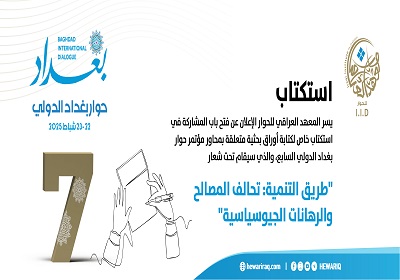
Seventh Baghdad International Dialogue Conference Call for Papers
Comments