


Translation by the Iraqi Institute for Dialog
"Seizing Lebanon's Moment": A Roadmap for Rebuilding the State and Strengthening Sovereignty
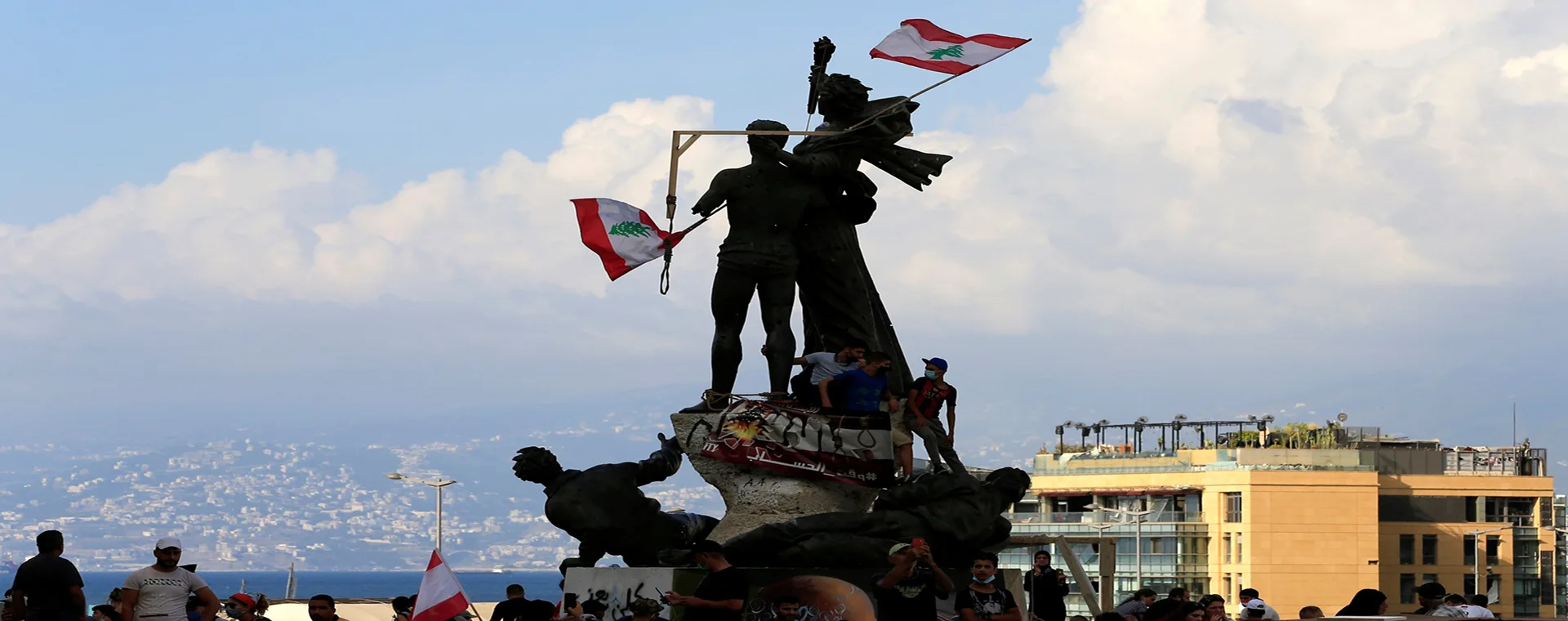
A new report by the Italian Institute for International Political Studies (ISPI) in collaboration with the Middle East Institute (MEI) offers a comprehensive vision for re-establishing the Lebanese state on the foundations of sovereignty, transparency, and economic justice, at a moment the researchers consider "the most sensitive" since the end of the civil war.
The report is titled "Seizing Lebanon's Moment"He emphasizes that the country stands at a historic crossroads that may determine its political and economic future for decades to come. He believes that what Beirut is going through today is not just a financial or governmental crisis, but a structural shift in the concept of the Lebanese state that requires a redefinition of the relationship between society, power, and the economy.
Reclaiming the state from within its own institutions
The report emphasizes that the first condition for any reform process is the restoration of the effectiveness of the state and its central position, through the activation of constitutional institutions and the strengthening of the rule of law. It notes that the real challenge lies not in excluding any Lebanese component, but in achieving a balance within the political system that allows for the exercise of governance on clear institutional bases, away from external tensions or factional calculations.
Researchers believe that Lebanon needs a "new national consensus" that restores the idea of an inclusive state, while respecting the specificity of the sectarian and political pluralism that is part of its social fabric.
Reforming the judiciary and ending impunity
One of the core themes of the report is the reform of the judiciary as a way to restore internal and external confidence in the Lebanese state. The report proposes developing the judicial system to become more independent and able to hold corruption accountable, arguing that the lack of legal accountability was one of the main reasons for the collapse of trust between citizens and the state.
The report notes that judicial reform means not only amending laws, but also immunizing judges from political interference and ensuring the integrity of appointments to regulatory and financial institutions.
Revitalizing the economy through realistic incremental reform
On the economic front, the report describes the financial collapse that has hit Lebanon since 2019 as the deepest in its recent history, but at the same time sees an opportunity to rebuild the economy on a sustainable basis.
The report calls for a gradual reform approach with the support of international institutions, while maintaining social stability and preventing the exacerbation of poverty. It also emphasizes the need to restructure the banking system and public finances, and to link foreign aid to concrete measures in the field of transparency and accountability.
Lebanon's economic recovery is contingent on restoring confidence in the banking system and reforming the energy sector, which drains nearly a third of the public budget.
Stabilizing borders and strengthening Lebanon's regional role
The report attaches particular importance to the issue of border demarcation and enhancing security cooperation with neighbors, considering that security is one of the pillars of national sovereignty. In this context, it calls for the activation of bilateral and regional agreements to control borders, combat smuggling and promote development in border areas, without compromising the role of any Lebanese component or jeopardizing the existing internal balance.
The report also notes that Lebanon's stability is a common interest for all regional and international parties, which calls for neutralizing the country from regional conflicts and establishing a foreign policy based on partnership rather than axis.
International support conditional on reform
The report concludes that Lebanon will not be able to overcome its crises without coordinated and long-term international support, but emphasizes that such support must be based on respect for Lebanese sovereignty and decision-making and the implementation of concrete reforms in fiscal and judicial administration.
The current moment represents a "rare opportunity" to relaunch the state, if the political will of Lebanese elites is present and foreign support is invested in building strong institutions rather than relying on temporary aid.
Conclusion
Places a report "Seizing Lebanon's Moment"It is based on the idea of "restoration, not exclusion," meaning restoring the state from within by reforming its institutions and strengthening its sovereignty, without engaging in internal conflicts.
The authors of the report warn that the current opportunity may be Lebanon's last chance to correct its course, emphasizing that the decision is ultimately Lebanese before it is international.

The Iraqi Institute for Dialogue, the logistical sponsor of the Baghdad International Book Fair, opens its own pavilion at the fair
Official agreement between Iraqi Institute for Dialogue and the Iraqi Media Network to sponsor The Seventh Annual International Conference of “Baghdad Dialogue” 2025
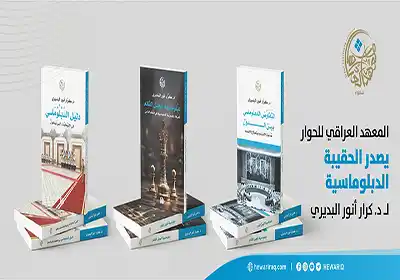
The Iraqi Institute for Dialogue publishes "The Diplomatic Portfolio" by Dr. Karrar Al-Badiri

Invitation to the 79th issue of Dialogue of Thought
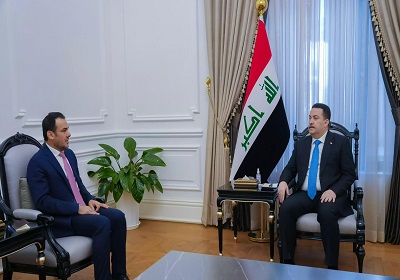
Prime Minister: The path of development will make Iraq a regional political and economic powerhouse
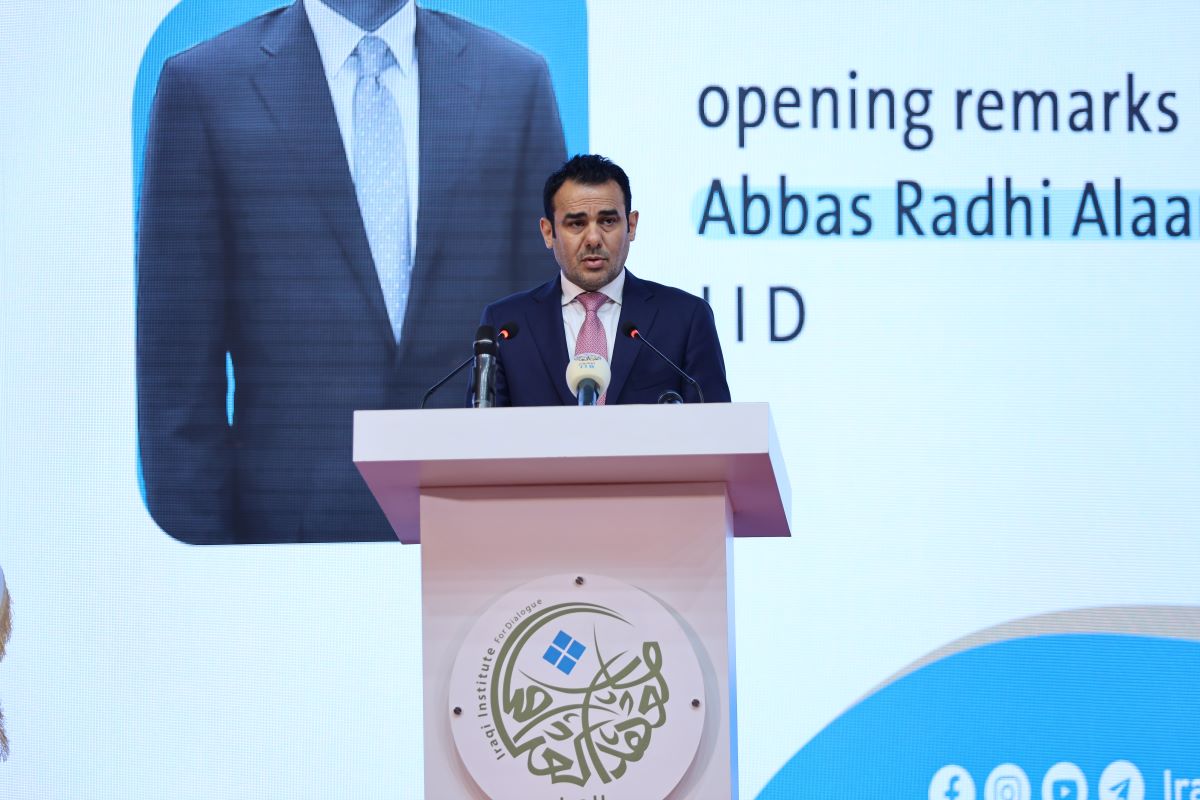
Speech of the Director of the Iraqi Institute for Dialog at the Sixth Baghdad International Dialog Conference
Seventh Baghdad International Dialogue Conference Call for Papers
Comments