



Translation: Iraqi Institute for Dialog
The PKK's withdrawal from Turkey The end of a conflict or the beginning of a new chapter in Iraq?
In a development described as historic, the Kurdistan Workers' Party (PKK) announced its complete withdrawal from Turkish territory after more than 40 years of fighting against Ankara, marking the official end of a long armed conflict that has claimed tens of thousands of lives and changed the security and political landscape of the region.
The decision, which came after a series of undisclosed negotiations and under the auspices of multiple mediation channels, was seen in Turkey as an achievement for President Recep Tayyip Erdogan's government, which described the operation as the fruit of "Turkey's terror-free plan." However, this shift opens the door to new questions regarding its implications for Iraq, Kurdistan, and Syria, where the PKK still has an active military and political presence.
Kandil is at it again
According to field reports, hundreds of fighters have begun withdrawing from their positions inside Turkish territory toward the Qandil Mountains in northern Iraq, which has been the group's main stronghold since the 1990s.
Observers say this move will reignite the issue of the PKK's presence inside the region, a thorny issue that has long raised tensions between Ankara and the Kurdistan Regional Government (KRG).
While the Kurdistan Democratic Party (KDP) adopts a conservative stance toward the PKK and considers it a constant source of tension with Turkey, the Patriotic Union of Kurdistan (PUK), which is close to Iran, is sometimes accused of tolerating the PKK's presence in its areas, especially in and around Sulaymaniyah.
Delicate regional balances
Kurdish affairs expert Kamal Mezher believes that "the party's withdrawal from Turkey does not mean the end of its regional role, but rather the beginning of its repositioning in its traditional areas of influence inside Iraq."
"Ankara may now seek to expand its operations in northern Iraq under the pretext of pursuing the retreating PKK members, which may put Baghdad and the KRG in an awkward position between protecting sovereignty and containing tension with Turkey," he said.
"The current shift may open a new negotiation window between Turkey and the Syrian Kurds, because Ankara has always linked the fate of the SDF to its ideological and military affiliation with the PKK," said security analyst Ahmed Shihab, noting that "the PKK's abandonment of the armed struggle in Turkey may weaken the justifications for Turkish attacks in both Syria and Iraq."
Reverberations on Iraq's Interior
On the Iraqi side, the withdrawal is expected to have a twofold effect. On the one hand, it could ease tensions on the northern border and allow thousands of civilians to return to their conflict-ravaged villages. On the other hand, it could spark intra-regional disagreements among Kurdish forces over how to deal with returning fighters and the fate of weapons scattered in the mountains.
"Iraq has a rare opportunity to settle this security issue through a joint agreement with Ankara and Erbil, which guarantees the gradual departure of the party from its areas in exchange for political and humanitarian guarantees for the fighters," said political researcher Hewa Ali.
The end of a war. And the beginning of new equations
Despite the optimism that accompanied the announcement, there is still a long way to go towards a lasting peace. Ankara, which considers Hezbollah a terrorist organization, will not be satisfied with Hezbollah's withdrawal from its territory unless it completely abandons its military activity in Iraq and Syria as well.
However, the party's leaders fear that such a withdrawal would turn into a "political surrender" that would lose them status within the wider Kurdish movement in the region.
Between Ankara's pressures and Qandil's calculations, the Kurdish scene seems to be entering a phase of internal re-engineering, the contours of which will become clearer in the coming months as the Iraqi elections approach and the competition between Erbil and Sulaymaniyah to manage the relationship with neighbors Turkey and Iran intensifies.
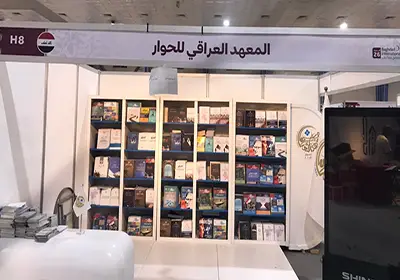
The Iraqi Institute for Dialogue, the logistical sponsor of the Baghdad International Book Fair, opens its own pavilion at the fair
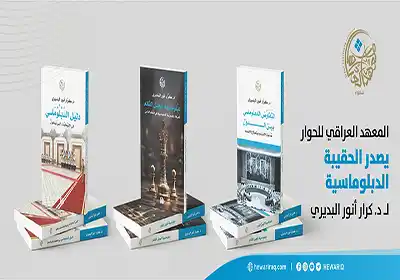
The Iraqi Institute for Dialogue publishes "The Diplomatic Portfolio" by Dr. Karrar Al-Badiri
Official agreement between Iraqi Institute for Dialogue and the Iraqi Media Network to sponsor The Seventh Annual International Conference of “Baghdad Dialogue” 2025
Invitation to the 79th issue of Dialogue of Thought
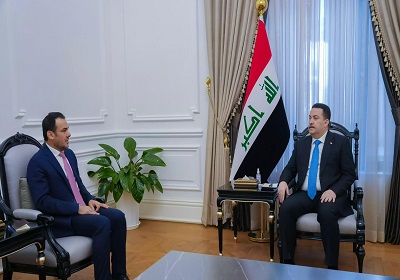
Prime Minister: The path of development will make Iraq a regional political and economic powerhouse
Seventh Baghdad International Dialogue Conference Call for Papers
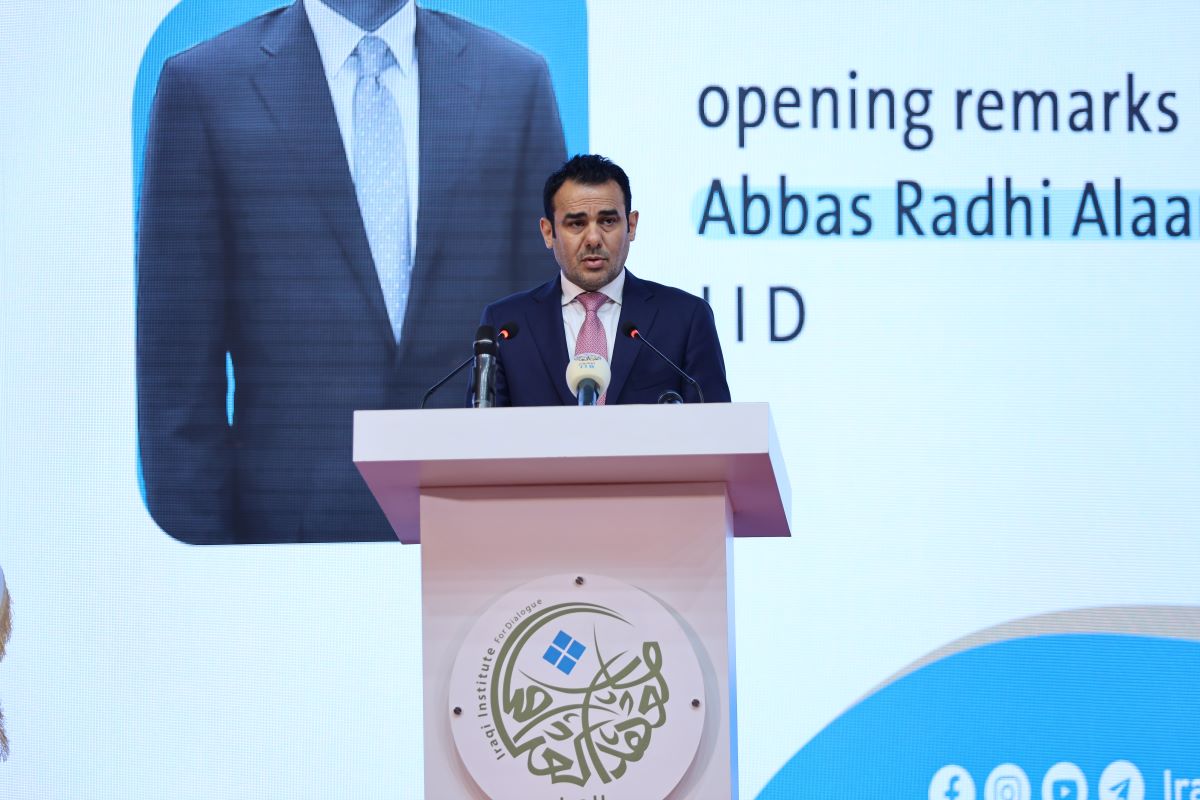
Speech of the Director of the Iraqi Institute for Dialog at the Sixth Baghdad International Dialog Conference
Comments