

Electronic newspaper "Asr Iran" - translation of the Iraqi Institute for Dialog
Erdogan's water blackmail scheme against Iran and Iraq exposed
Water diplomacy, contrary to what some believe, is not just a dialog and demand, but a mechanism to transform shared water resources into a centerpiece of sustainable cooperation. By forming a coalition with downstream countries such as Iraq, Syria, Armenia and Azerbaijan, Iran can create a multilateral framework to claim its legitimate share of water.
Neighbors holding water hostage
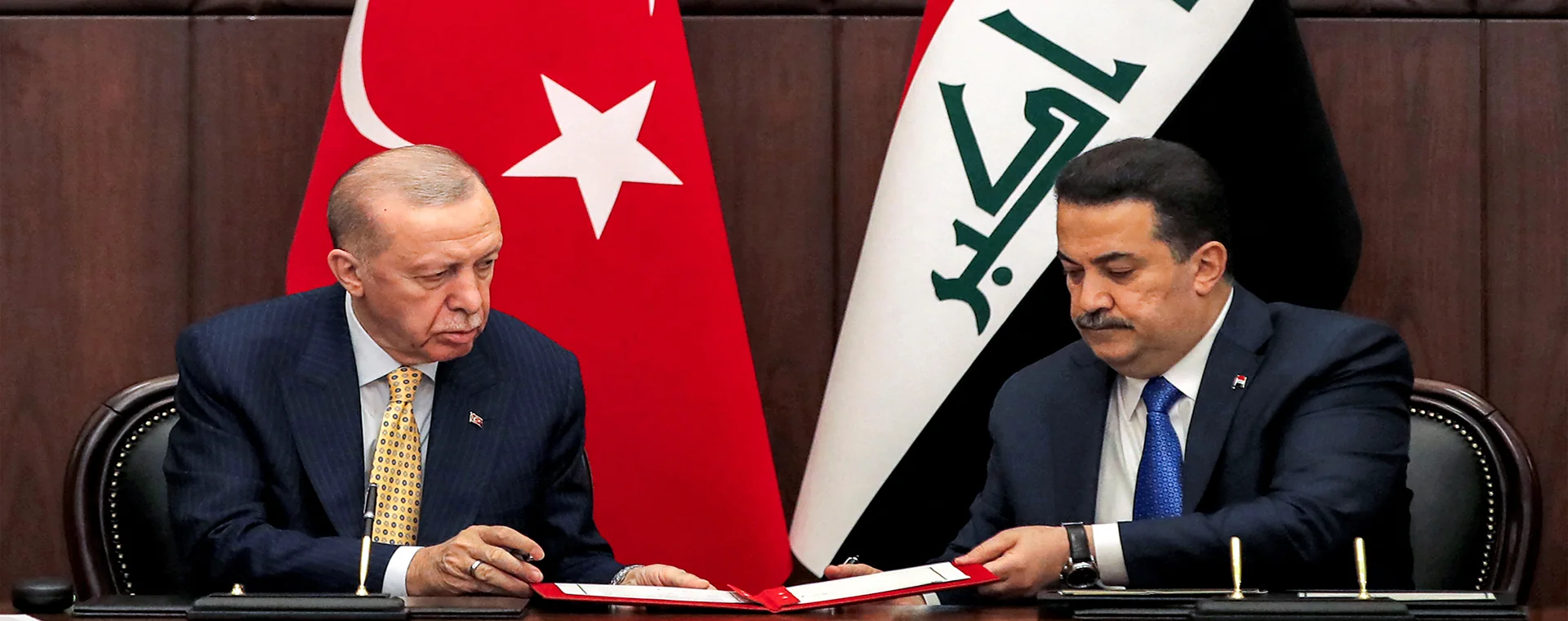
Iran's water crisis is no longer just an internal issue; neighbors are applying upstream pressure. In the latest development, Recep Tayyip Erdogan promised that in exchange for exporting 500,000 barrels of oil per day from the Kurdistan Region of Iraq to Turkey, "one billion cubic meters of water" would be released from Turkey's dams to Iraq within 50 days. This agreement is not just an energy-for-natural-resources deal between Erbil and Ankara; it is part of Turkey's grand strategy to turn "water" into a tool of regional influence that will undoubtedly affect Iran.
Turkey has for years been using major dam projects, such as the GAP project on the Tigris and Euphrates rivers, to turn water flow control into a political leverage tool. This project involves the construction of dozens of dams and power plants on the two major rivers in the Middle East, which supply Iraq and Syria with most of their water. As a result, parts of the Tigris and Euphrates have dried up, exposing millions of Iraqis and Syrians to a water crisis, degraded farmland, and increased dust and dirt.
But the impact of this policy is not limited to Turkey's western neighbors. Erdogan's water blackmail policy has reached the borders of Iran. In addition to controlling the Tigris and Euphrates, in recent years Ankara has built several dams on northern and northwestern rivers, including the Karakurt, Tuzluja, and Sulemez dams on the Ars River, with a storage capacity of more than 1.6 billion cubic meters, which could soon stop the vital flow of the river. As a result, Iran's border regions with Azerbaijan, Armenia, Turkey, and Iraq are directly affected by this destructive policy.
Water terrorism
From West to East Azerbaijan, through Ardabil and parts of Kurdistan, Kermanshah, Ilam, and especially Khuzestan, these areas have suffered in recent years from reduced river flow, lower groundwater levels, increased dust storms, and threats to agriculture.
On the other hand, Ankara is pursuing a form of "water terrorism" through these projects, aimed at imposing its political will by controlling vital resources. Turkey, aware of the worsening water crisis in the region, seeks to trade every geopolitical privilege for an economic or oil privilege.
From Hermand to Herod: Water Extortion in the East
In eastern Iran, Afghanistan has followed a similar path to Ankara in recent years. The construction of multiple dams on the Hermand River and the diversion of water to new agricultural lands is taking place despite Afghanistan's commitment under a formal agreement in 1972 to deliver 820 million cubic meters of water annually to Iran. But this commitment is not being honored, and water has become a tool for political bargaining.
Former Afghan President Ashraf Ghani explicitly told Iran: "If the Iranians want more than their share of Hermand water, they have to pay oil for it." With the Taliban takeover, the style changed, but not the substance of the water policy. The opening of the Kamal Khan Dam in Nimroz Province and plans to build more than 20 other dams on the Hermand route have made the prospects for securing water in Sistan and Baluchestan unclear.
This policy has not only affected Sistan's environment and turned Lake Hamon into a desert, but has also exacerbated dust storms and directly affected the health of the population in eastern Iran, posing a threat to human and social security.
Oil for Water
The difference between the cases of Turkey and Afghanistan is that Turkey relies on its internal investments and technologies, while Afghanistan uses technical support from third countries such as India and China, but the result is the same: Depriving Iran of its natural share and turning water into a political commodity.
Water diplomacy is a forced choice for Iran
From Turkey in the west to Afghanistan in the east, Iran appears to be at the center of a geopolitical water belt. The countries that control the headwaters of Iran's vital rivers are gradually using water as a tool of influence and political bargaining. The only rational solution for Iran is to pursue an active, multi-level, international law-based "water diplomacy".
Iran could form an alliance with downstream countries such as Iraq, Syria, Armenia, and Azerbaijan, and establish a multilateral framework to claim its water rights. This cooperation could be pursued through regional agreements and joint river committees, ensuring the mutual responsibility of higher states for environmental crises.
There are several international agreements that can support Iran's legal rights, such as the 1997 UN Convention on the Non-Navigational Uses of International Watercourses, which emphasizes cooperation, exchange of information, and respect for the interests of downstream countries, as well as the principles enshrined in the Paris, Madrid, and Geneva Conventions, which consider the unilateral exploitation of border rivers a violation of human rights and sustainable development.
However, it is not enough to rely on legal texts without effective diplomatic support. Iran must strengthen its regional presence and activate the capacities of institutions such as the Shanghai Cooperation Organization (SCO), BRICS, and the Economic Cooperation Organization (ECO) to put the water crisis on the regional agenda.

The Iraqi Institute for Dialogue, the logistical sponsor of the Baghdad International Book Fair, opens its own pavilion at the fair
Official agreement between Iraqi Institute for Dialogue and the Iraqi Media Network to sponsor The Seventh Annual International Conference of “Baghdad Dialogue” 2025
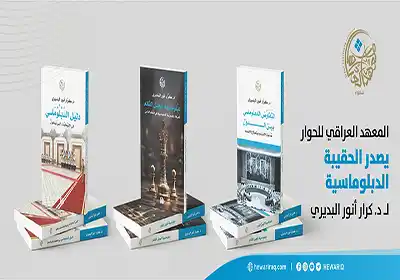
The Iraqi Institute for Dialogue publishes "The Diplomatic Portfolio" by Dr. Karrar Al-Badiri

Invitation to the 79th issue of Dialogue of Thought
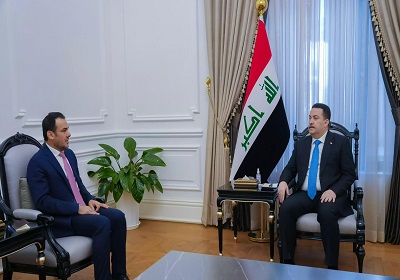
Prime Minister: The path of development will make Iraq a regional political and economic powerhouse
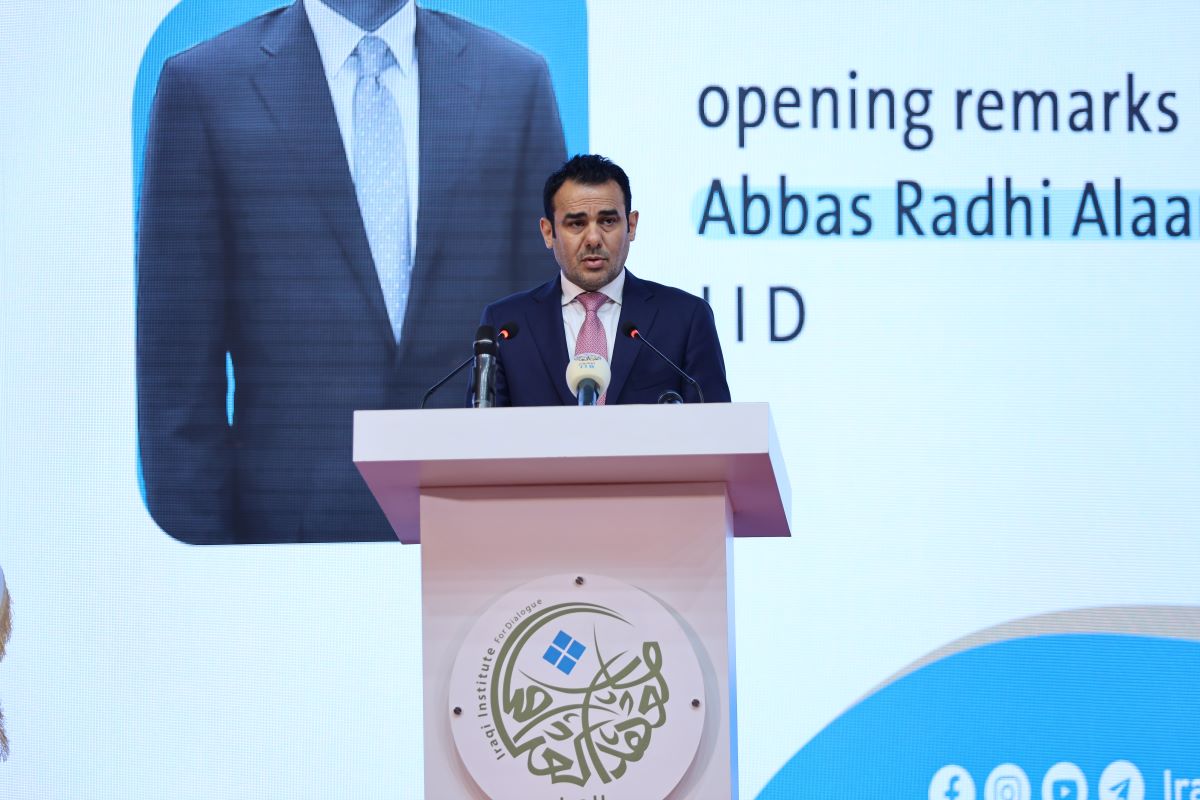
Speech of the Director of the Iraqi Institute for Dialog at the Sixth Baghdad International Dialog Conference
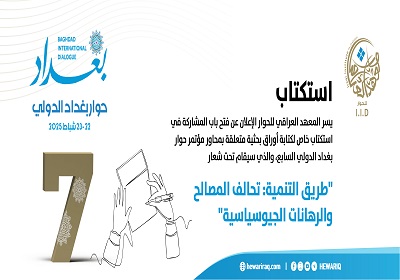
Seventh Baghdad International Dialogue Conference Call for Papers
Comments