


Translation: Iraqi Institute for Dialog
Salinity and erosion threaten Mesopotamian archaeological sites
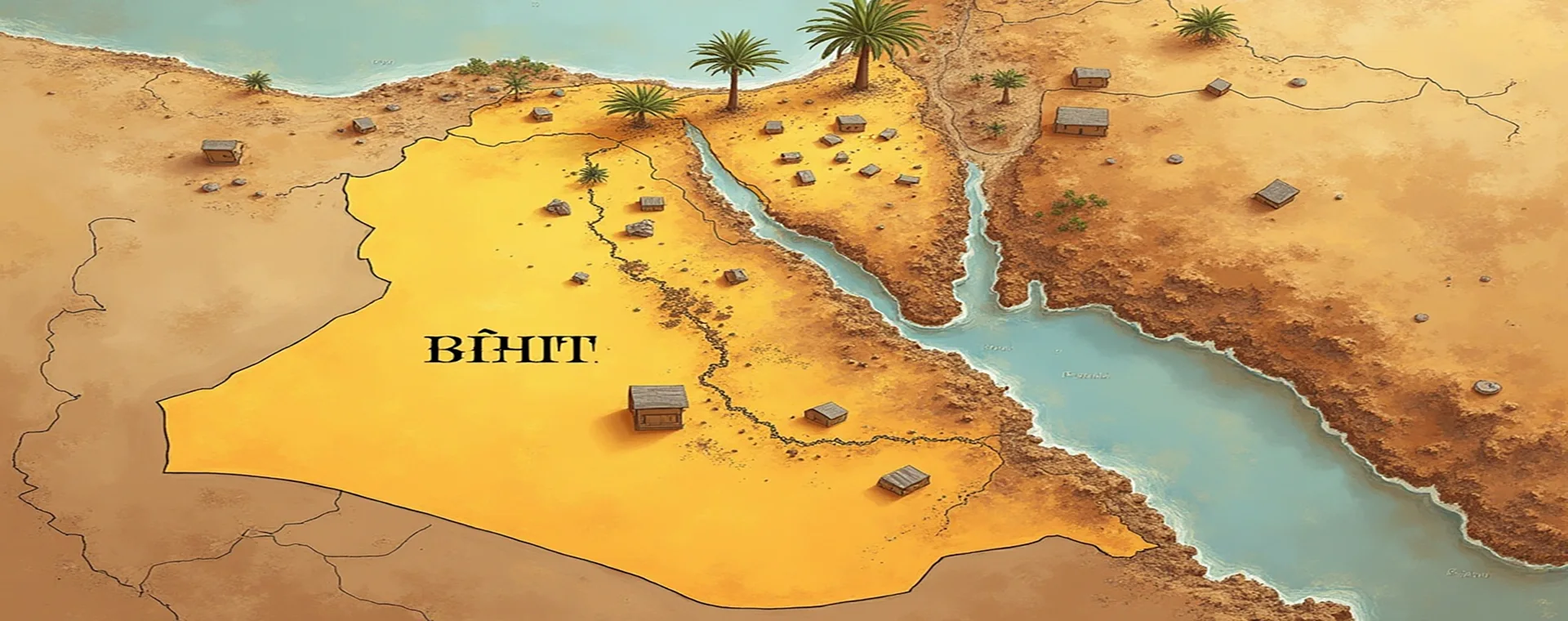
Historic cities in southern Iraq, the cradle of Sumerian civilization, are increasingly threatened by climate change and rising soil salinity, threatening millennia-old monuments with extinction. Officials and archaeologists warn that drought and ecosystem degradation in the Tigris and Euphrates basin are accelerating the erosion of one of the oldest civilizational legacies known to mankind.
According to a report published by Reuters, harsh climatic conditions, characterized by high temperatures and low rainfall, have increased the salinity of the soil in the southern regions, which has caused the erosion of ancient buildings in cities such as Ur and Babylon, which are the pillars of ancient Mesopotamian heritage.
Ur Ziggurat under threat of sand
In Dhi Qar province, where the historic city of Ur is located, the Ziggurat of Ur - an amphitheater temple built more than 4,000 years ago in honor of the moon god Nana - is rapidly deteriorating on its northern side as a result of sand dune encroachment.
Archaeologist Abdullah Nasrallah of the Dhi Qar Department of Archaeology explained that wind and quicksand have eroded the upper layers of the ziggurat, adding that "the third layer had previously been damaged by the weather, and now erosion has begun to affect the second layer."
Salted clay threatens the Royal Cemetery of Ur
The royal tomb at Ur, discovered by British archaeologist Leonard Woolley in the 1920s, is in danger of collapsing due to the buildup of salts within the mud bricks with which it was built.
"Salt deposits caused by global warming have destroyed important parts of the tomb, and if the situation continues, the mud walls will collapse completely," said Dr. Kazem Hassoun, inspector of the Department of Antiquities in Dhi Qar.
The high salinity in southern Iraq is a direct result of long-term drought and high temperatures, where the Tigris and Euphrates rivers meet before flowing into the Arabian Gulf.
Babylon needs urgent rescue
The ancient city of Babylon, located on the banks of the Euphrates, is also suffering increasing damage due to climate change and previous poor restoration.
"Lack of funding is the biggest obstacle to restoration plans, although there is an urgent need to protect these unique sites," said Dr. Montaser al-Hasnawi, director general of the Iraqi Ministry of Culture and Tourism.
Babylon's original building materials were taken from low-salinity lands, making them more resistant to environmental factors in the past, but "inaccurate restorations in the past decades have made the structures more fragile to the current salinity," al-Hasnawi explained.
Civilization's legacy in the face of climate change
Iraqi archaeological sites have been under threat for decades, from wars to looting to the effects of a harsh climate that is reshaping Mesopotamia's environment. With increasing salinity and erosion, experts warn that the loss of these monuments will mean the loss of part of the memory of humanity born on the banks of the Tigris and Euphrates.

The Iraqi Institute for Dialogue, the logistical sponsor of the Baghdad International Book Fair, opens its own pavilion at the fair

The Iraqi Institute for Dialogue publishes "The Diplomatic Portfolio" by Dr. Karrar Al-Badiri
Official agreement between Iraqi Institute for Dialogue and the Iraqi Media Network to sponsor The Seventh Annual International Conference of “Baghdad Dialogue” 2025

Invitation to the 79th issue of Dialogue of Thought

Prime Minister: The path of development will make Iraq a regional political and economic powerhouse
Seventh Baghdad International Dialogue Conference Call for Papers
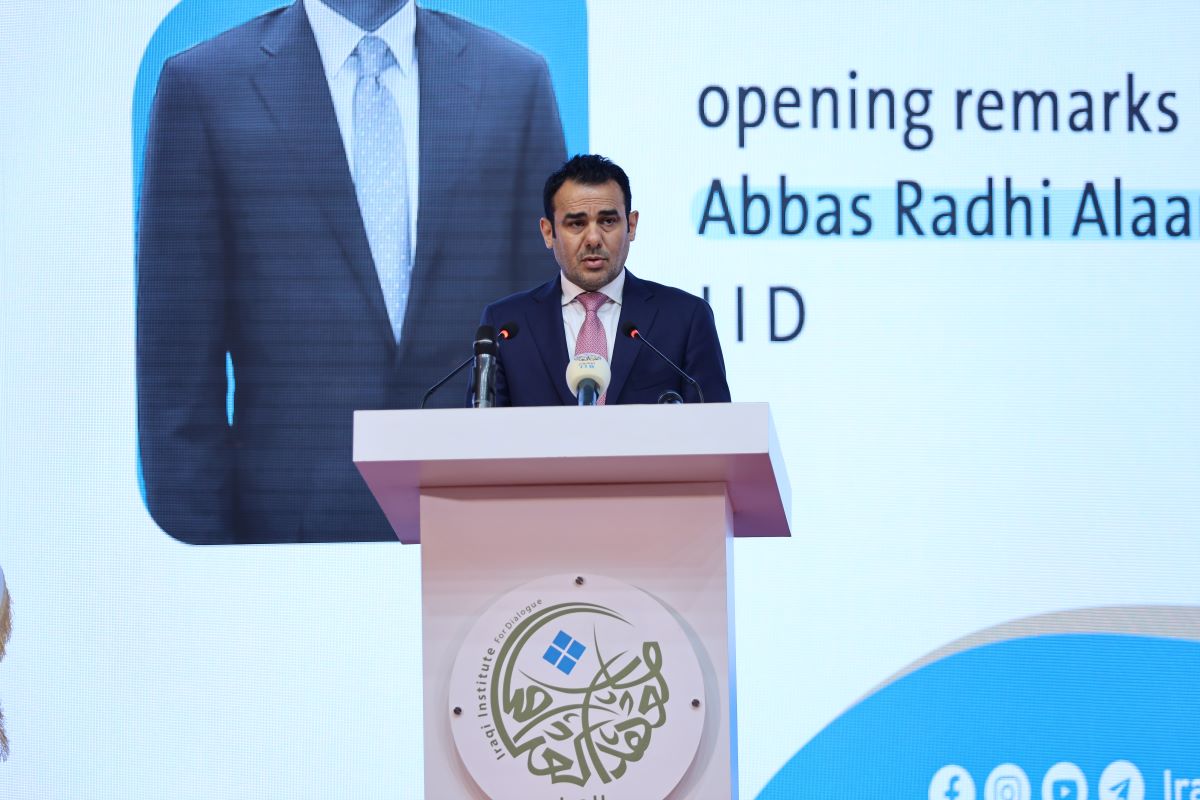
Speech of the Director of the Iraqi Institute for Dialog at the Sixth Baghdad International Dialog Conference

Comments