


Translation: Iraqi Institute for Dialog
El Fasher under fire: The Israeli Hand in Sudan's Massacres
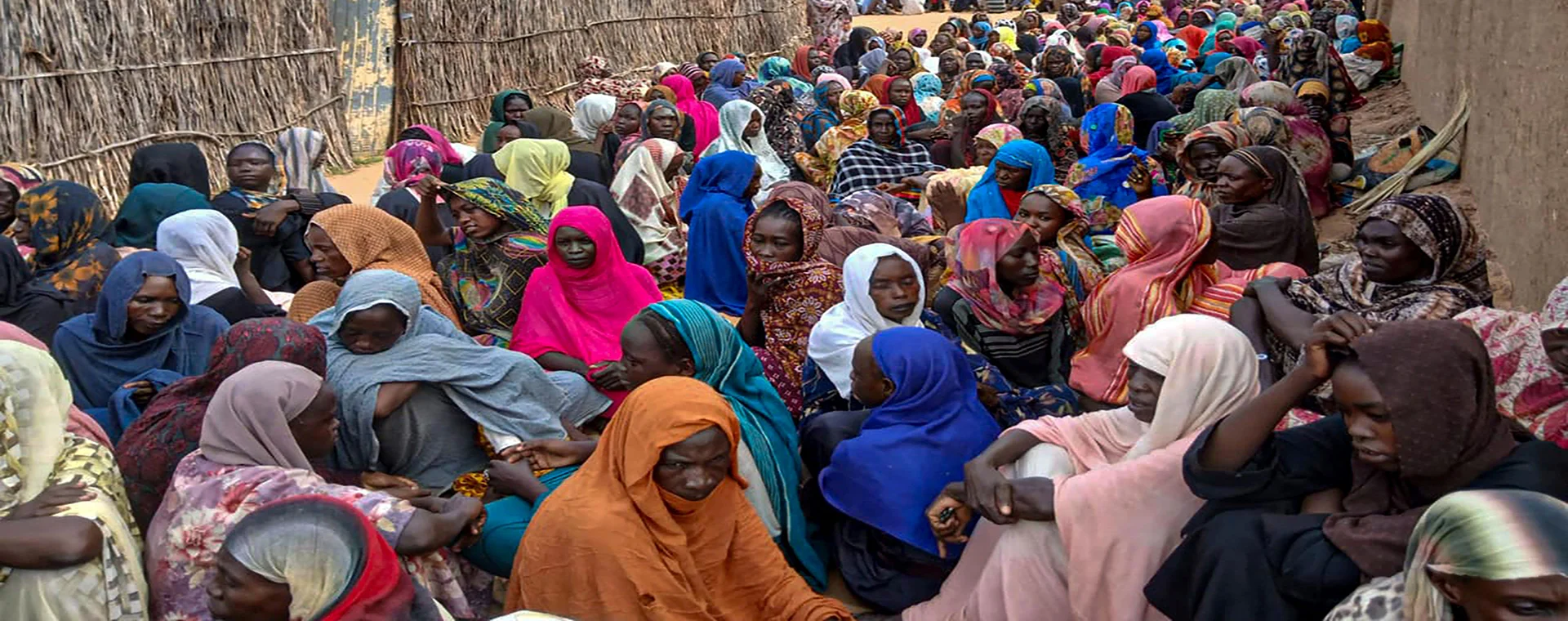
According to medical and humanitarian reports, dozens of people have been killed in new massacres committed by the Rapid Support Forces (RSF) during their takeover of the city of El Fasher in West Darfur, Sudan.
The Sudanese Doctors Network described the situation as "real genocide," noting that the RSF, which is fighting with the Sudanese army for control of the country, killed more than 1,500 people in just three days as civilians tried to flee the besieged city.
The network said: "The massacres the world is witnessing today are an extension of what happened in El Fasher more than a year and a half ago, when more than 14,000 civilians were killed through bombing, starvation and executions," describing the attacks as a deliberate and systematic campaign of extermination.
Satellite imagery from Yale University's Human Research Laboratory showed clusters of human bodies and large areas of red discoloration on the ground after the RSF advanced into the city.
According to reports, at least 2,000 people have been killed since the crimes began, including volunteers and Red Crescent workers targeted in mosques. The World Health Organization (WHO) confirmed 460 deaths at the Saudi maternity hospital, and Director-General Tedros Adhanom Ghebreyesus said the organization was "shocked and deeply horrified".
Israel's fingerprints at the crime scene
Although the world was shocked by the RSF atrocities in El Fasher, growing evidence points to secret Israeli ties to the paramilitary group.
A recent Sudan Transparency investigation revealed that Israeli intelligence services opened channels of communication with RSF commander Mohamed Hamdan Dagalo (Hemedti) as early as 2021. The report refers to a secret May 2021 flight linked to a former Israeli military official, which allegedly transported advanced surveillance equipment to Khartoum after a brief 45-minute layover.
"Israel's ties in Sudan extended to RSF commander Hemedti," the report noted, adding that the "shipment of advanced spy equipment" was part of these secret exchanges.
Independent researchers have also identified Israeli-made LAR-160 multiple rocket launchers in the RSF's possession, systems designed by Israeli military industries.
Researcher Kripso Diallo of Cairo told QNN that these links could have a "direct impact on the battlefields," adding:
"If these links are confirmed, they have enhanced the RSF's operational capability via intelligence data or advanced communications systems, which explains their ability to sustain the long siege of El Fasher and carry out coordinated attacks on civilian areas."
These relationships, even if indirectly through private arms networks, give the RSF "a sense of political protection and impunity," Diallo said, undermining international accountability efforts.
Rapid Support Forces copy Israel's tactics in Gaza
Observers say the RSF has begun to mimic Israel's language and tactics in Gaza, considering mass violence a "military necessity."
An Al Jazeera investigation found that forces used Israeli-style legal justifications to target civilian areas, such as classifying the Zamzam refugee camp as a "military zone" before attacking it. Legal experts say this is similar to Israel's arguments in Gaza, where hospitals, schools and shelters are bombed under the pretext that they are "Hamas sites."
Even an RSF advisor told Israeli media that the Sudanese army's actions were similar to Palestinian terrorist attacks on Israel, in an attempt to draw sympathy from Tel Aviv.
Luigi Daniele, a lecturer of international humanitarian law, said: "The RSF is adopting the same language as Israel to justify collective punishment. "Declaring entire neighborhoods or camps 'military zones' is a clear attempt to deny protection to civilians, a tactic that started in Gaza."
Sudan's ambassador to the United Nations, Al-Harith Idris Mohamed, told the Security Council that the massacres in El Fasher "amount to genocide by all legal standards," adding: "Women and girls are being attacked in broad daylight. What we are witnessing in El Fasher is the continuation of a systematic ethnic cleansing campaign since 2023."
International silence and external alliances
Human rights organizations point out that international silence on Gaza and Sudan reveals how foreign alliances and intelligence links shield perpetrators from accountability.
"What we see in El Fasher is not just a local tragedy, but a reproduction of a global pattern, where military technology, political cover and cross-border intelligence cooperation intersect to ensure impunity," Diallo said.
Strategic interests and the Red Sea factor
Analysts believe that Israel's involvement in Sudan goes beyond historical relations with the Sudanese military or normalization agreements. Sudan's strategic location on the Red Sea gives Israel security protection and a geopolitical advantage to monitor shipping routes and counter Iranian or Chinese influence.
"Sudan gives Israel an entry point to the Horn of Africa and the Sahel, and by building relationships with both General Burhan and Hemedti, Israel ensures leverage over which faction is in control, protecting its interests regardless of the outcome of Sudan's internal conflict," Diallo said.
This balance complicates international accountability and turns the Sudanese conflict into a theater for regional struggles for influence.
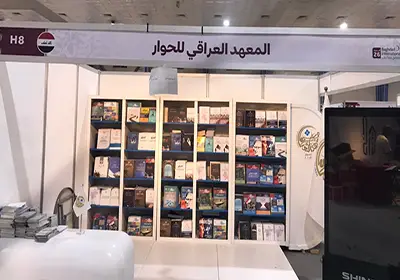
The Iraqi Institute for Dialogue, the logistical sponsor of the Baghdad International Book Fair, opens its own pavilion at the fair
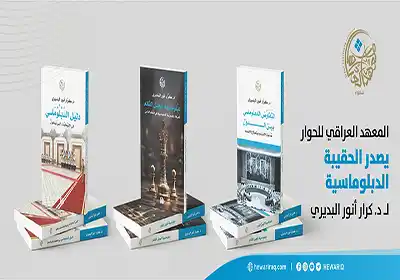
The Iraqi Institute for Dialogue publishes "The Diplomatic Portfolio" by Dr. Karrar Al-Badiri
Official agreement between Iraqi Institute for Dialogue and the Iraqi Media Network to sponsor The Seventh Annual International Conference of “Baghdad Dialogue” 2025
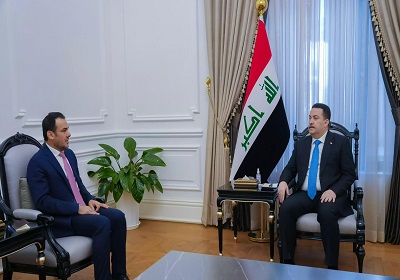
Prime Minister: The path of development will make Iraq a regional political and economic powerhouse
Invitation to the 79th issue of Dialogue of Thought
Seventh Baghdad International Dialogue Conference Call for Papers
Praise for the Baghdad International Dialogue: Strengthening Iraq's pivotal role and a meeting point for visions
Comments