

Translation: Iraqi Institute for Dialog
Iraq is redrawing its image in the eyes of the U.S.
Iraq's ambassador to the United States, Nizar Issa Abdul Hadi al-Khairallah, said his main goal in Washington is to change the stereotype of Iraq in the American consciousness, from a country associated with war and violence to a country that is celebrated for its history, culture and civilizational heritage.
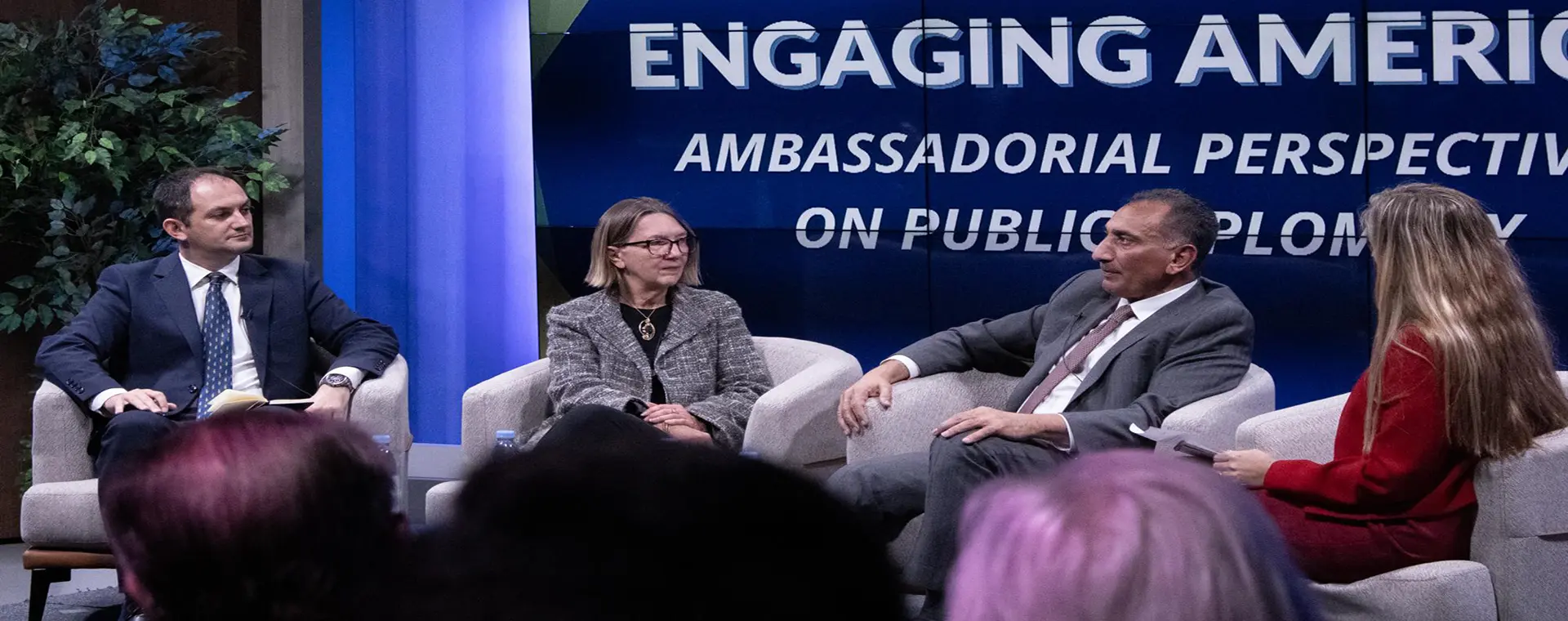
Al-Khairallah's remarks came during a seminar hosted by the Institute for Public Diplomacy and Global Communication at George Washington University as part of the "Engaging America" series, which aims to host ambassadors to discuss their strategies for developing cooperation with the United States.
Cultural diplomacy as a bridge to trust
Ambassador Al-Khairallah, who has been in office since 2023, said his priority in Washington is to reintroduce Iraq to Americans through "soft power," explaining that he is working to promote cultural and personal contact with American society through art, music, food and fashion.
"One of the biggest challenges I have faced since coming to Washington is how to change the image of Iraq, because the media often portrays my country through war, ISIS or terrorism," he said.
He explained that Iraq has one of the oldest civilizations in human history, and that highlighting this cultural and artistic heritage is the best way to correct false impressions.
The Iraqi embassy is working with US universities and museums to organize art exhibitions, cultural evenings and Iraqi food festivals that give Americans a chance to get to know Iraq "with a different face", he said.
"It's about soft power - music, art, food, fashion - it's a different language of communication, and I found it very effective because Americans enjoy it and discover the richness of our civilization."
Cultural events and interactive initiatives
Al-Khairallah noted that the Iraqi embassy recently organized an exhibition featuring more than 600 varieties of Iraqi dates, an event he described as "simple in form, but highly impactful in content."
These activities contribute to conveying a warmer and more humane image of Iraq, he said, showing it away from politics and conflicts, and opening the door for direct interaction with the American public.
"They are small things, yes, but they have a profound impact, and I personally enjoy them because they represent the truest form of public diplomacy," he said.
Academic partnerships and scientific exchanges
On the educational side, the Iraqi ambassador stressed that he seeks to expand academic and research exchange programs between Iraq and the United States, noting that his country has sent thousands of students to American universities in recent years.
He explained that these initiatives are not limited to education, but aim to promote social and cultural communication between the youth of the two countries.
"We believe that our relationship with the United States should not be reduced to educational gains, but also an opportunity to learn about the diversity of American cities, states and communities."
He has visited universities in states like Iowa and Nebraska as part of his efforts to build links with educational institutions outside of Washington, D.C. "Modern diplomacy requires a broader understanding of the United States as a whole, not just its centralized politics in the capital," he said.
"Economic and educational relationships are not just built in Washington, but in states and communities, and that's where the real partnerships begin."
Trust as the basis of diplomacy
Al-Khairallah concluded by emphasizing that building trust between Iraq and the United States is the core of any successful diplomatic relationship, and that this requires candor and continuity in communication, away from stereotypes and past animosities.
"When we treat the other party as a partner rather than an adversary, we are better able to understand their priorities and concerns, and that's where true understanding begins," the ambassador said.
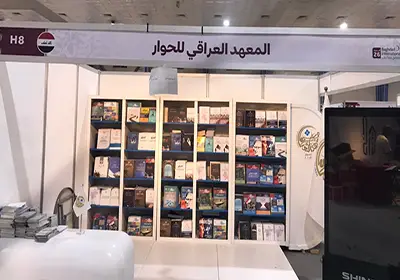
The Iraqi Institute for Dialogue, the logistical sponsor of the Baghdad International Book Fair, opens its own pavilion at the fair
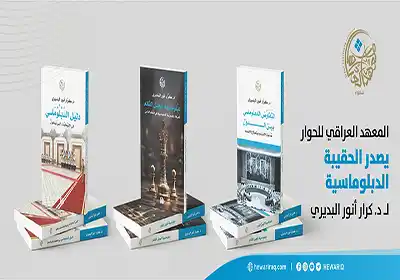
The Iraqi Institute for Dialogue publishes "The Diplomatic Portfolio" by Dr. Karrar Al-Badiri
Official agreement between Iraqi Institute for Dialogue and the Iraqi Media Network to sponsor The Seventh Annual International Conference of “Baghdad Dialogue” 2025
Invitation to the 79th issue of Dialogue of Thought
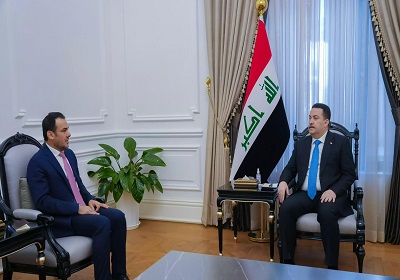
Prime Minister: The path of development will make Iraq a regional political and economic powerhouse
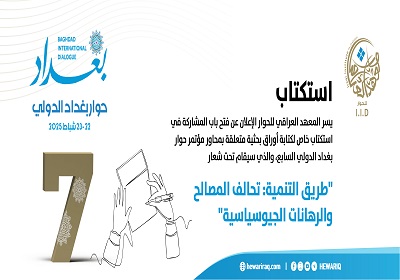
Seventh Baghdad International Dialogue Conference Call for Papers
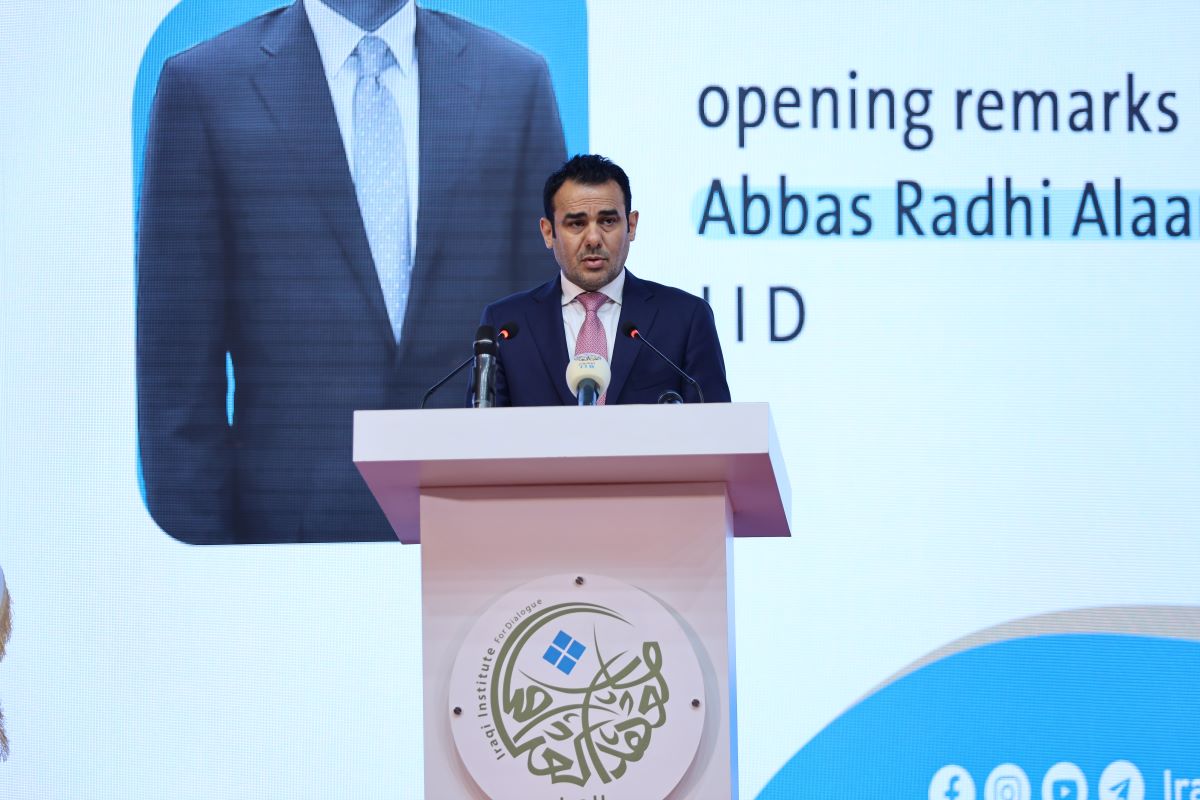
Speech of the Director of the Iraqi Institute for Dialog at the Sixth Baghdad International Dialog Conference
Comments