


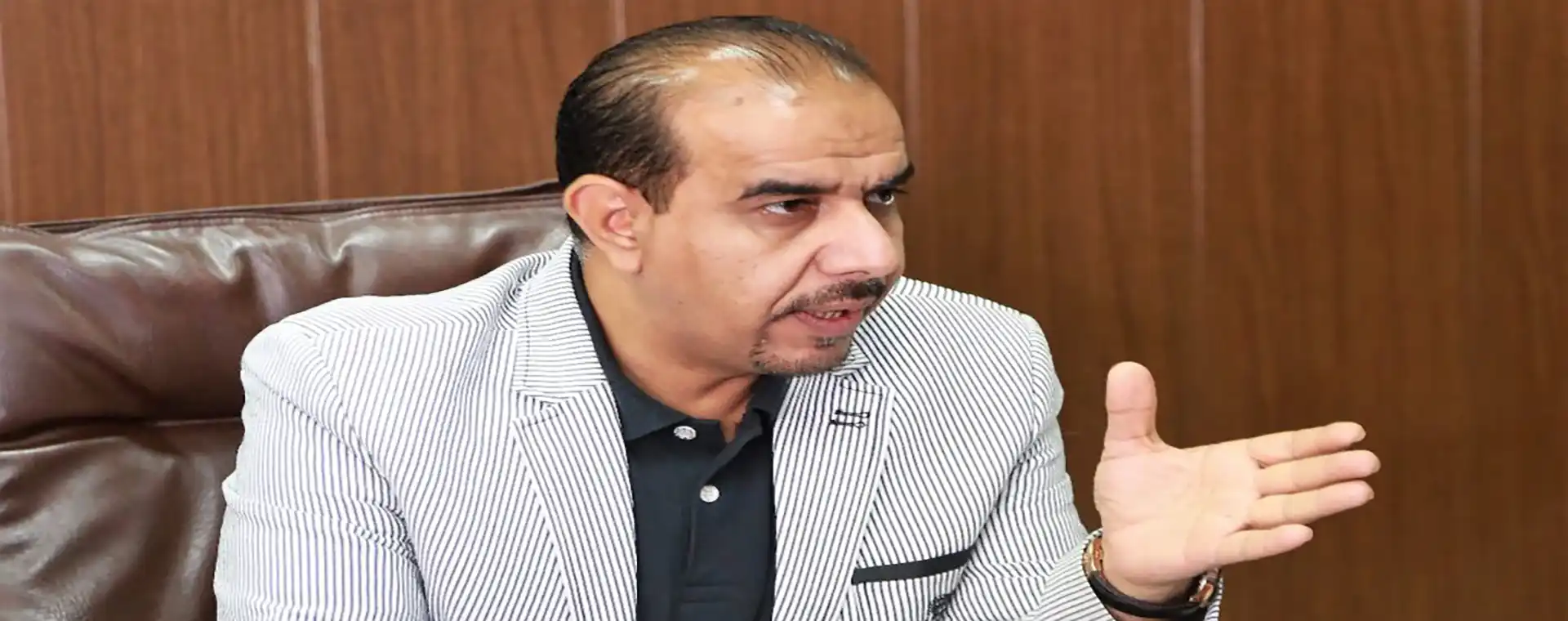
Dr. Abbas Abboud Salem
In one of its issues, Dialogue of Thought magazine conducted an interview with Dr. Abbas Abboud Salem, an Iraqi researcher and media professional, in which he addressed the concept of political culture and its tributaries and characteristics in Iraqi society, explaining the fundamental differences between it and ideology, stressing that Iraqi political culture is still multiple and differentiated according to social, religious and regional diversity, and that its absence as a unified concept is due to the weak role of the cultural elite and its inability to influence the public sphere.
The following is a transcript of the interview
Dialogue of thought: What is the concept of political culture?
Dr.. Dr. Abbas Abboud Salem:Political culture is a relatively recent concept that came after the American thinker Kapriel Almond. It is part of the general culture of society, and just as human values are transmitted in society through socialization, the values contained in political culture are transmitted through the political socialization process, and the simplest definition of it is the values, ideas and beliefs associated with the phenomenon of power in society.
Dialogue of thought: Talking about the tributaries of political culture in general?
Dr.. Dr. Abbas Abboud Salem:The popular heritage represents at the forefront of the tributaries of political culture and its accompanying customs, traditions, values and norms, as the political culture of Iraqi society was based on the structure of the family, the clan and then extends to the state before the important transformations of the generations that followed the establishment of the modern state of Iraq, in addition to the religious factor has a great influence on the formation of the political culture. Baghdad was the capital of the Abbasid caliphate for five centuries, Karbala was the site of the most serious transformations in Islamic history, Najaf was the resting place of the Commander of the Faithful Ali bin Abi Talib, and Kufa was the capital of the righteous caliphate in the era of Imam Ali (AS), all of these factors had a great influence on the formation of Iraqi political culture. Political culture is the result of the interaction of historical experience with the socio-economic situation and religious beliefs.
Dialogue of thought: What distinguishes political culture from ideology?
Dr.. Dr. Abbas Abboud Salem:Political culture differs from ideology in that ideology belongs to the elite and political culture belongs to the general public, ideology is systematic and political culture is not systematic, ideology changes with the change of regime while political culture cannot change with the change of regime, and ideology stems from the top to the bottom while political culture stems from the bottom to the top.
Dialogue of thought:What is the weakness of political culture?
Dr.. Dr. Abbas Abboud Salem:There is no concept of weakness and strength in political culture. Rather, political culture has been divided into three sections, the first of which is the narrow culture, the second is the dependent culture, which represents totalitarian regimes with the masses' knowledge of the ineffectiveness of their role in totalitarian regimes, and the third is participation, which characterizes democratic regimes, and the third is participation, which characterizes democratic regimes.
As for the narrower concept of political culture, it means the lack of knowledge of the masses about their role in the political process and participation in government, and shifts in this can be made if there is political will and public readiness to do so.
Dialogue of thought: What are the characteristics of Iraqi political culture?
Dr.. Dr. Abbas Abboud Salem:There is no single Iraqi political culture, but there are multiple political cultures that differ according to the different components of the Iraqi people and their general cultures, and historical experience has not been adequately developed to support a common political culture. Rather, the Iraqi people have competed with two main cultures, the first of which is in favor of strengthening the central authority, consolidating it, consolidating it, and imposing blind obedience to it, which is the direction believed by the people from the regions that benefited from the traditional authority in Iraq since the establishment of the state in the early twentieth century, and the other culture is for weakening the authority and reducing its centralization and role in favor of other institutions and changing the system and style of government from totalitarian authoritarian to democratic.
Dialogue of thought: Do you think political culture in Iraq is in crisis?
Dr.. Dr. Abbas Abboud Salem:The Iraqi political culture is not in crisis because it does not exist, i.e. there is no Iraqi political culture, with active subcultures, and the process of creating and changing the political culture is not the responsibility of the intellectual alone, but rather the responsibility of the state and the intellectual together.
But the crisis lies in the lack of a clear and specific characterization of the Iraqi intellectual. In Iraq, there is no clear-cut cultural elite, and there is no direct influence on the masses, but rather there are contradictions and obvious weaknesses suffered by the cultural elite that do not rise to the level of the elite, and the evidence is that all symbols of art, culture and university professors usually fail to gain the confidence of voters when they present themselves as an alternative to the existing political elite through parliamentary elections.
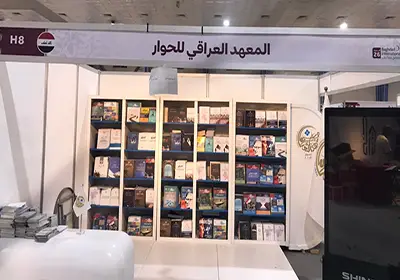
The Iraqi Institute for Dialogue, the logistical sponsor of the Baghdad International Book Fair, opens its own pavilion at the fair
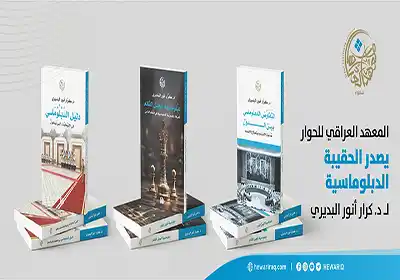
The Iraqi Institute for Dialogue publishes "The Diplomatic Portfolio" by Dr. Karrar Al-Badiri
Official agreement between Iraqi Institute for Dialogue and the Iraqi Media Network to sponsor The Seventh Annual International Conference of “Baghdad Dialogue” 2025
Invitation to the 79th issue of Dialogue of Thought
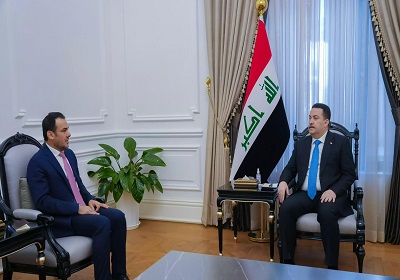
Prime Minister: The path of development will make Iraq a regional political and economic powerhouse
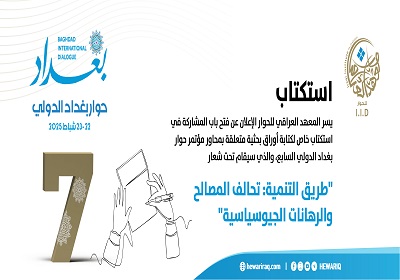
Seventh Baghdad International Dialogue Conference Call for Papers
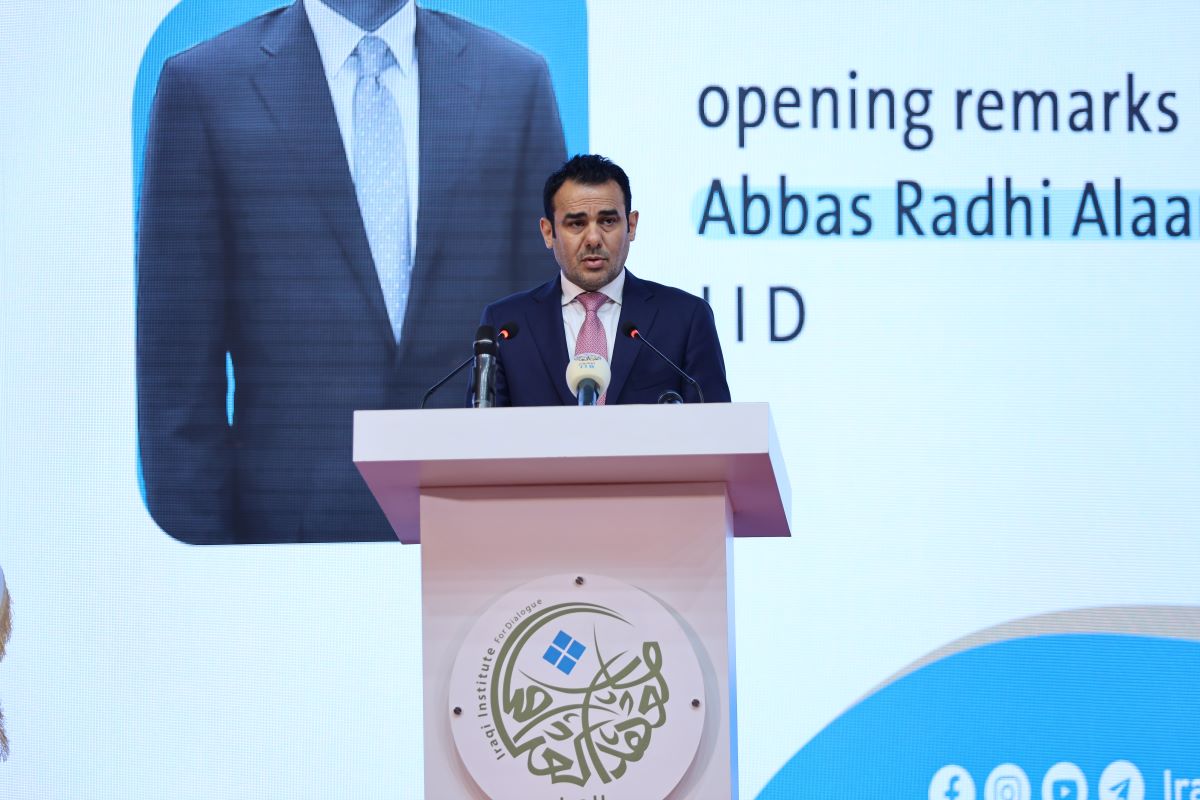
Speech of the Director of the Iraqi Institute for Dialog at the Sixth Baghdad International Dialog Conference
Comments