

Ahmed Rashidi Nejad - Iran's Assia Newspaper
Iraqi elections at the intersection of major power struggles
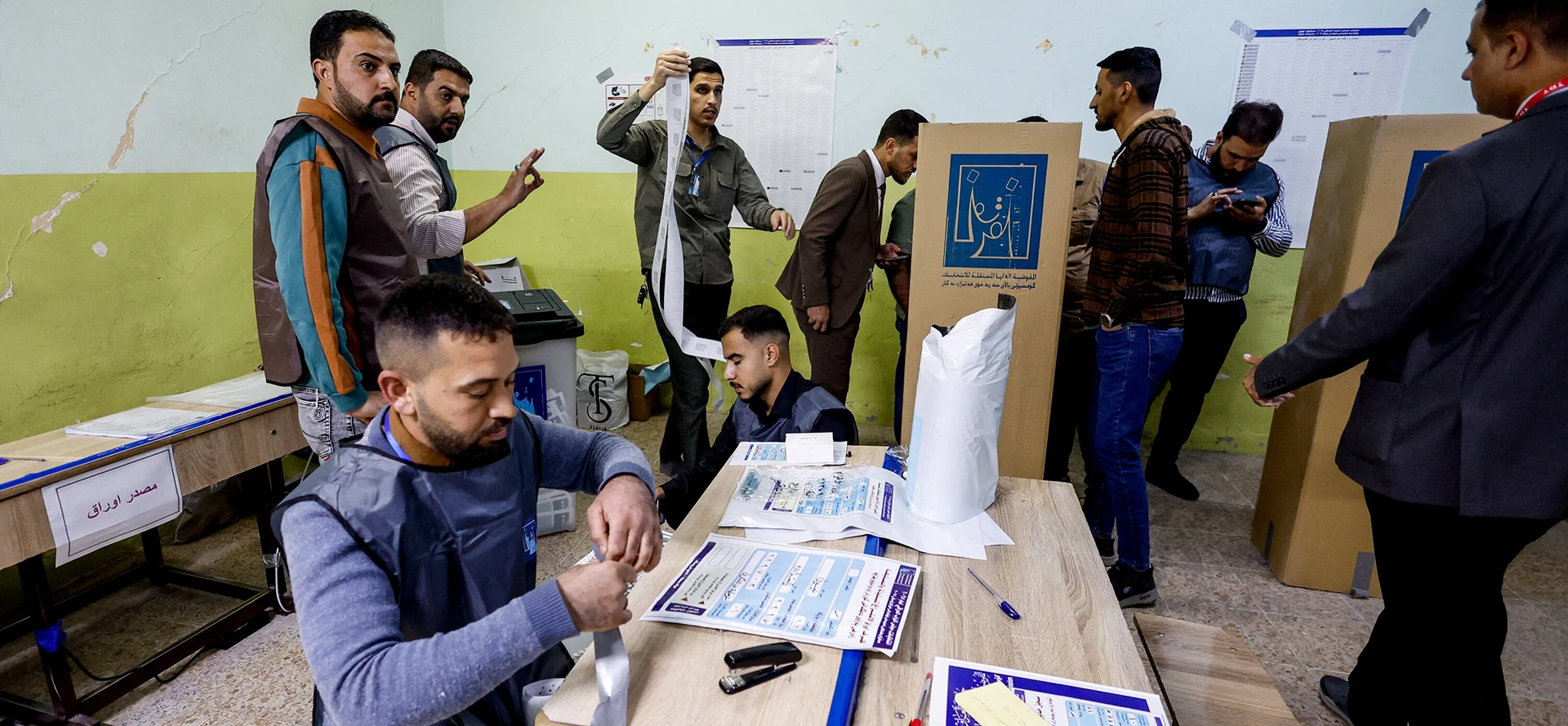
On Tuesday, November 11, 2025, Iraq witnessed the second and final phase of the sixth parliamentary elections since the fall of Saddam Hussein's regime, in one of the most sensitive political moments since 2003.
More than 20 million eligible Iraqi citizens have been called to the polls at 8,000 polling stations, to cast their votes in 39,000 boxes, to decide the fate of 329 seats in the House of Representatives.
The special phase of the election, which was held last Sunday for security and military forces and displaced persons, recorded a remarkable turnout of 82 percent.
All eyes are now on the election results, which are expected to determine the course of Iraq's political future in one of its most sensitive phases since 2003.
All eyes are now on the results of the elections, which are viewed not only inside Iraq but also in the corridors of regional and international capitals that see Baghdad as a key pivot for the balance of power in the Middle East. Each ballot is not just an individual vote, but a piece of a complex regional mosaic through which a new map of relations and alliances in the region will be drawn. The question that arises is: Can Iraq become an independent and balanced actor between its neighbors and major powers, or will it remain an arena for settling foreign scores?
At the center of this scene, several regional and international powers are watching the electoral developments with concern and anticipation:
Iran: Strategic depth and a measure of the cohesion of the "Axis of Resistance"
Tehran considers Iraq to be more than just a neighbor; it is its strategic depth and vital corridor to the Mediterranean, with which it has deep historical, sectarian and economic ties. Maintaining its influence in Baghdad is a matter of national security for Iran.
Observers believe that the emergence of an Iraqi government that seeks greater independence could confuse Tehran's calculations, especially if it reduces the influence of factions close to it. Iran views these elections as a real test of the ability of the resistance axis to survive in the heart of the Arab world after the recent Israeli war.
Saudi Arabia: Trying to restore Iraq to the "Arab depth"
In contrast, Saudi Arabia and its Gulf allies see the elections as a historic opportunity to contain Iranian influence and return Iraq to its Arab neighborhood.
In recent years, Riyadh has ramped up its economic investments in Iraq, reopened border crossings, and sought to expand diplomatic cooperation. It is betting that this time its financial and diplomatic leverage could yield tangible political results. But the question remains: Will Saudi Arabia's "green check" diplomacy succeed in countering Iran's deep-rooted ideological and field influence in Iraq?
United States: Supporting Democracy or Policing the Field?
The United States, which lost much of its influence after its military withdrawal, is in a complicated situation.
On the one hand, Washington emphasizes its support for the democratic process, but on the other hand, it seeks to prevent any Iraqi government from fully embracing Tehran.
The new U.S. strategy focuses on supporting moderate nationalist currents that can counterbalance Iranian influence and ensure there is no return of chaos or ISIS. However, a weak or divided government in Baghdad will force Washington to re-engage security in Iraq and the region.
Turkey: Kurdish security and economic interests
The Iraqi elections are of direct importance to Turkey, as their results are linked to sensitive issues such as the presence of the Kurdistan Workers' Party (PKK) in northern Iraq and the future of Turkish military operations in Sinjar and Qandil.
Ankara wants to deal with a strong Iraqi government that is able to control the border and accommodate Turkish security concerns, while at the same time maintaining huge economic partnerships that include infrastructure and energy projects and trade through the Kurdistan Region.
Israel: Iraq's elections through the lens of the "Iranian threat"
Israel views these elections from a purely security perspective and fears that they could lead to a strengthening of the Iranian presence in Iraq, which would mean expanding the "axis of resistance" to include a new front close to its eastern borders.
For Tel Aviv, the best-case scenario is the emergence of a national, non-sectarian Iraqi government capable of reducing the influence of armed groups, which would weaken Iran's grip in Iraq, Syria and Lebanon at the same time.
Testing the Iraqi Will
Today, Iraq finds itself at the center of a multidimensional geopolitical struggle, where the interests of major powers from the East and West intersect. These elections are not just a parliamentary race, but a referendum on Iraq's political identity:
Will it be able to turn the "curse of geography" into a diplomatic opportunity that balances regional and international powers, or will it remain hostage to the external tensions that have plagued it for two decades?
Whatever the outcome, what happened in Baghdad this week will contribute to drawing the new map of power in the Middle East, and will determine which camp the balance of power will go to in the next phase: The camp of national independence or the axis of foreign influence.
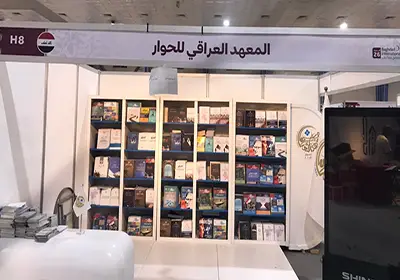
The Iraqi Institute for Dialogue, the logistical sponsor of the Baghdad International Book Fair, opens its own pavilion at the fair
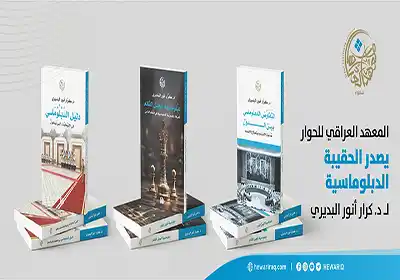
The Iraqi Institute for Dialogue publishes "The Diplomatic Portfolio" by Dr. Karrar Al-Badiri
Official agreement between Iraqi Institute for Dialogue and the Iraqi Media Network to sponsor The Seventh Annual International Conference of “Baghdad Dialogue” 2025
Invitation to the 79th issue of Dialogue of Thought
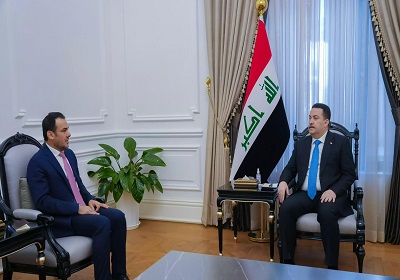
Prime Minister: The path of development will make Iraq a regional political and economic powerhouse
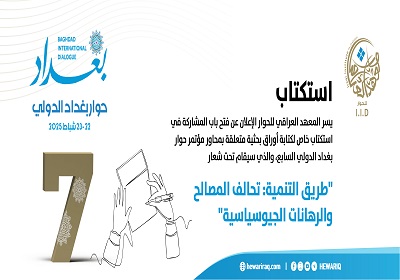
Seventh Baghdad International Dialogue Conference Call for Papers
Praise for the Baghdad International Dialogue: Strengthening Iraq's pivotal role and a meeting point for visions
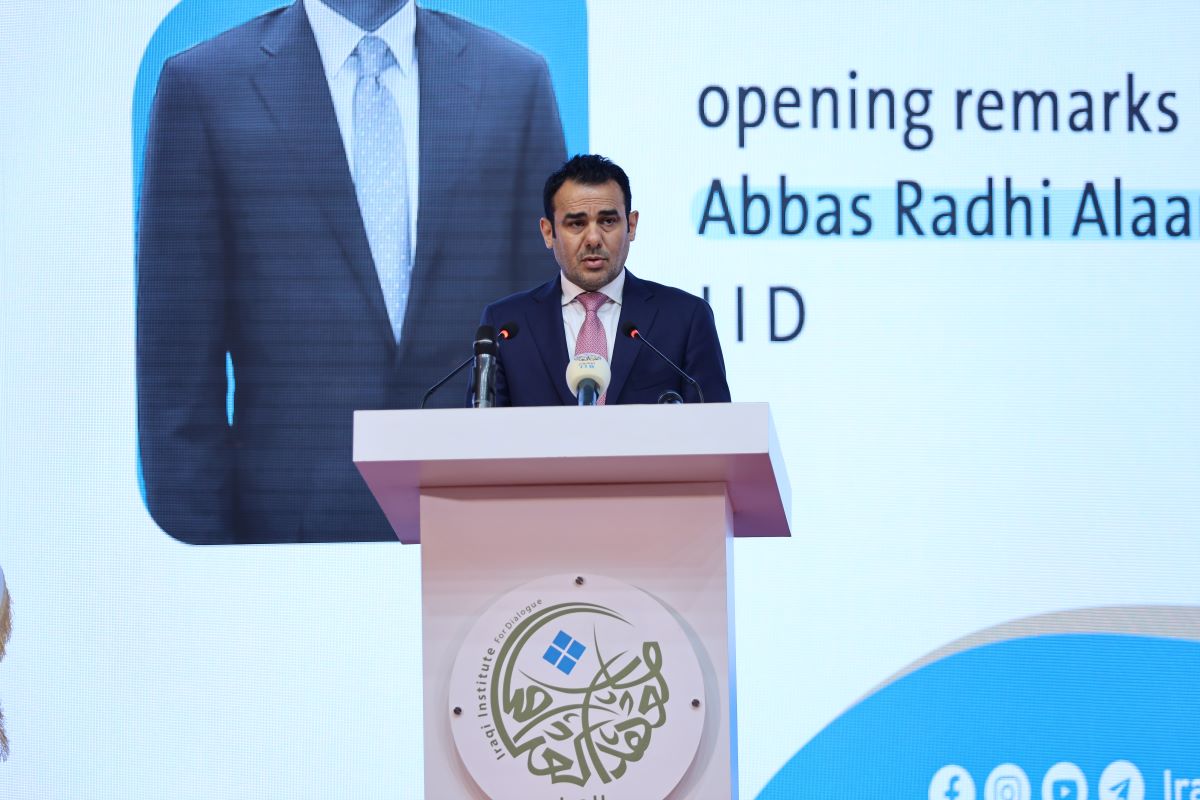
Comments