

Publisher: Christian Science Monitor - Translation and Follow-up of the Iraqi Institute for Dialog
Is there an Arab democracy? Yes, Iraqi democracy
Americans often forget one of the reasons why President George W. Bush decided in 2003 to overthrow a dictator in Iraq: Establishing a democratic model in the Middle East to help fend off terrorist groups like al-Qaeda after the Sept. 11, 2011, attacks.
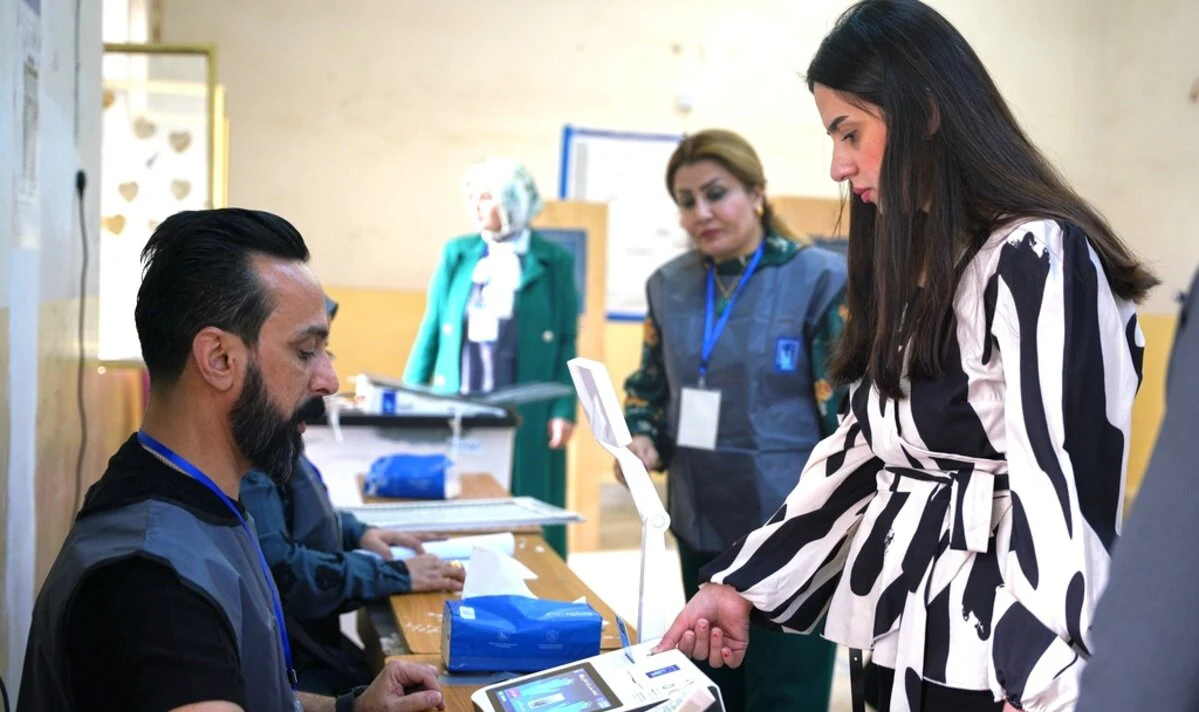
On Tuesday, nearly two decades after Iraqis regained their right to a free and fair vote, the country held its seventh parliamentary election. Despite public dissatisfaction with a deeply dysfunctional government, voters achieved some encouraging results.
Nearly a third of the candidates were women, more than double their number in the 2021 election. Despite calls to boycott the elections, turnout exceeded 55%, up from 41%. The election campaign and polling was well-organized. Prime Minister Mohammed Shi'a al-Sudani, who is widely popular, saw his bloc win the largest number of seats in parliament.
Michael Rubin, a fellow at the American Enterprise Institute, wrote before the election: "The new Iraq has, for better or worse, become a model for democracy in the region."
One reason is that more young people have embraced an Iraqi and civic identity at the expense of their religion or ethnicity. Political power may still be divided between Shiites, Sunnis, Kurds and other groups under the constitution. However, most Iraqis today have come of age after Saddam Hussein's dictatorship. They seek a representative and honest government, which was reflected in the mass protests of 2019 and 2020. Mr. Rubin said: "If holding [political] office is synonymous with staying for life in most Arab countries, it is not so in Iraq, where Iraqis punish anyone they deem ineffective and corrupt."
The progress Iraq has made in a generation is commendable as it still faces pressure from Iran. However, thanks to its relative stability, Baghdad has also become a balancing force in the region.
Yerevan Said, an Atlantic Council fellow, wrote: "The broader picture is one of a rising but limited Iraqi power, where the state can sometimes resist and sometimes play the role of mediator, but sometimes has to compromise to keep the [regional] balance intact."
None of this justifies the invasion or the subsequent mismanagement that led to a violent insurgency. Iraqis have witnessed some of the worst violence in the Middle East. If they continue to choose a peaceful, albeit flawed, democracy, it may be because they realize that certain qualities - freedom, equality, accountability and pluralism - can help ensure tranquility.
One Iraqi wrote to his 57,000 followers on social media: "Legislative elections are a peaceful means of change and the only guarantee against violence and chaos." "The greater the popular participation, the stronger and more stable the political system will be."
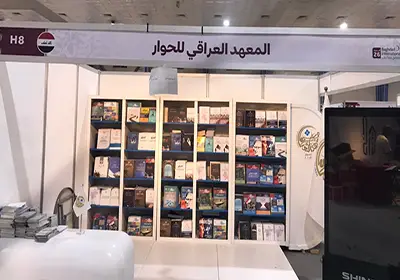
The Iraqi Institute for Dialogue, the logistical sponsor of the Baghdad International Book Fair, opens its own pavilion at the fair
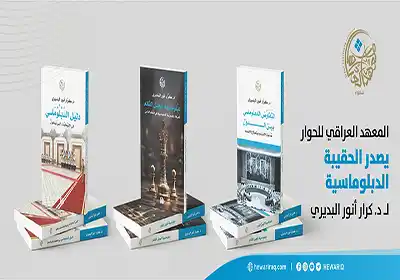
The Iraqi Institute for Dialogue publishes "The Diplomatic Portfolio" by Dr. Karrar Al-Badiri
Official agreement between Iraqi Institute for Dialogue and the Iraqi Media Network to sponsor The Seventh Annual International Conference of “Baghdad Dialogue” 2025
Invitation to the 79th issue of Dialogue of Thought
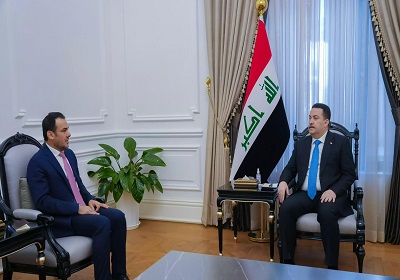
Prime Minister: The path of development will make Iraq a regional political and economic powerhouse
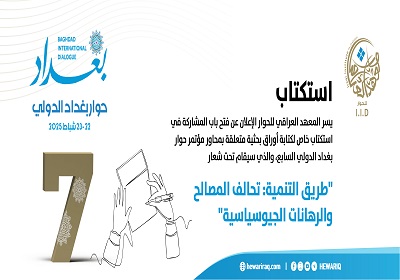
Seventh Baghdad International Dialogue Conference Call for Papers
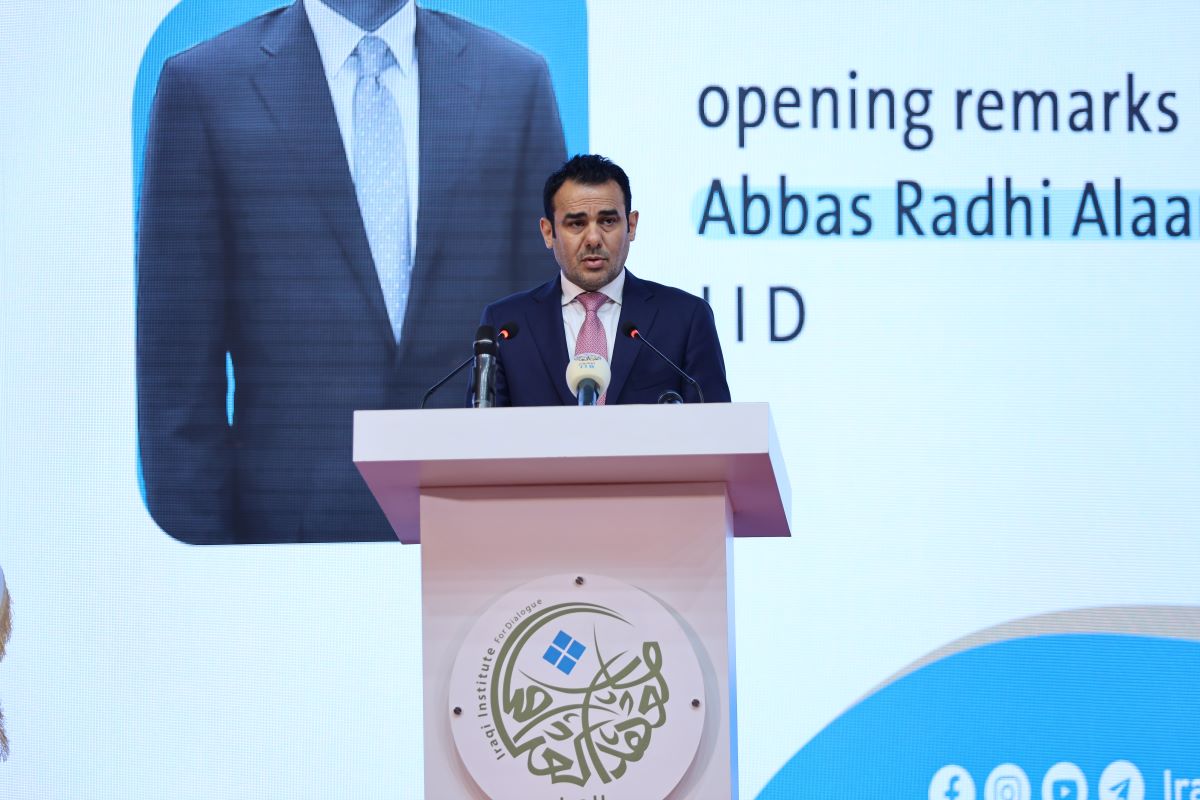
Praise for the Baghdad International Dialogue: Strengthening Iraq's pivotal role and a meeting point for visions
Comments