


Translation: Iraqi Institute for Dialog
Seven years later... What does Mohammed bin Salman bring to the White House?
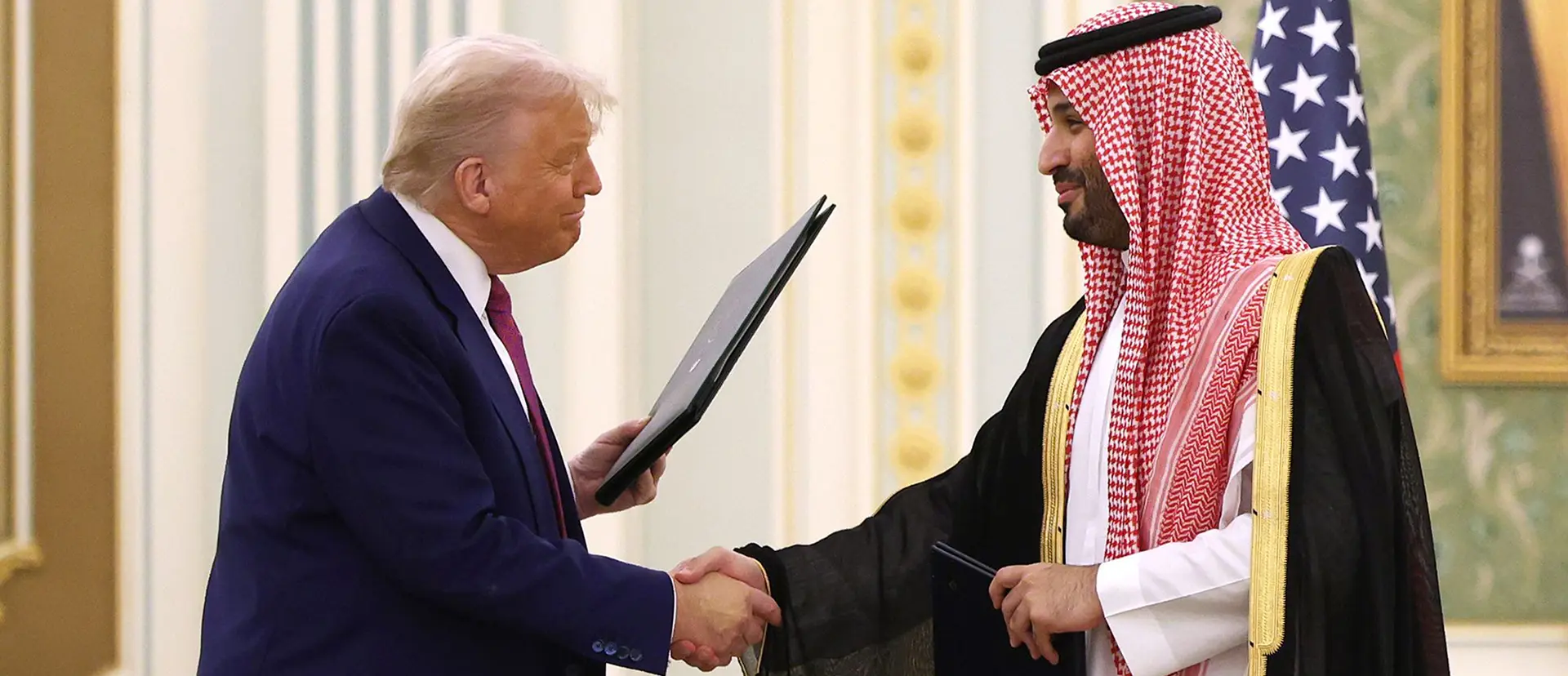
Mohammed bin Salman, the crown prince of Saudi Arabia, arrives at the White House for what is being described as a strategically important visit that could change the equations of the bilateral relationship and international geopolitics. The visit comes as Donald Trump, who had previously strongly supported bin Salman at the height of the crisis over the murder of Saudi-American journalist Jamal Khashoggi in 2018, returns to power.
The crown prince is no stranger to Washington. In a few years, he has met with three U.S. presidents, expanded his influence at home, and begun to play a prominent role in resolving international crises and reshaping his country's image.
Heavy agenda and multi-billion dollar agreements
The meeting between Trump and bin Salman has a broad economic and security character, amid talk of signing at least eight defense agreements, arms deals, and joint projects in energy and artificial intelligence.
Six months ago in Riyadh, Trump announced a $142 billion arms deal, while the US administration is now talking about a Saudi promise to invest $600 billion, in addition to huge investments as part of Vision 2030, including $21 billion in the artificial intelligence sector.
Bernard Heckel, a professor of Near Eastern studies at Princeton University who is close to the crown prince, believes that Trump is looking at Saudi Arabia with the mentality of the 1970s, when the Gulf's fortunes were tied to high oil prices. But today, he says, the reality is different:
Saudi Arabia has great wealth but faces huge liabilities and will not be able to meet all of Trump's expectations, which could open the door to American "disappointment," as he put it.
Riyadh seeks security assurances... F-35 at the center of the debate
In a region fraught with new tensions and tit-for-tat attacks between Iran and Israel, Saudi Arabia is seeking U.S. security guarantees to ensure the stability of its development programs.
Riyadh believes that Israel will attack Iran again, which could have a direct impact on the kingdom's security despite the existing truce between the two sides.
Washington is considering a Saudi request to purchase advanced F-35 fighter jets. Approval would make Saudi Arabia the first Arab country to acquire the aircraft, but Washington is also committed to maintaining Israel's military superiority, making the decision extremely sensitive.
Trump wants a historic deal... and Saudi Arabia sets conditions
In addition to his economic demands, Trump is seeking to push Saudi Arabia to join the Abraham Accords, normalize relations with Israel, and support his Gaza reconstruction plan. But Riyadh is setting clear conditions: No normalization without a real roadmap for a Palestinian state, an end to the war, and the withdrawal of Israeli forces from Gaza.
Bernard Heckel explains: "The Saudis are very clear - normalization is possible, but not before there is an explicit Israeli commitment to a Palestinian state. Israel today is not ready for that, so Riyadh will not go ahead with normalization."
An economic summit to promote shared influence
The bilateral economic forum, to be held the day after the meeting in Washington, is expected to be an important platform for expanding the partnership between the two countries and showcasing the level of rapprochement between Trump and bin Salman.
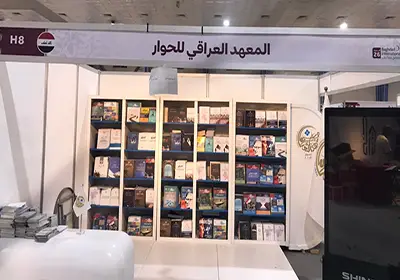
The Iraqi Institute for Dialogue, the logistical sponsor of the Baghdad International Book Fair, opens its own pavilion at the fair
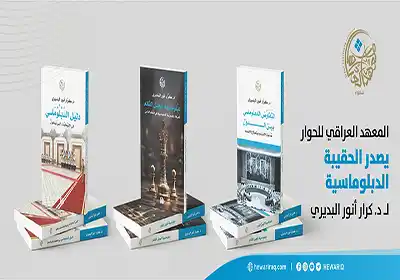
The Iraqi Institute for Dialogue publishes "The Diplomatic Portfolio" by Dr. Karrar Al-Badiri
Official agreement between Iraqi Institute for Dialogue and the Iraqi Media Network to sponsor The Seventh Annual International Conference of “Baghdad Dialogue” 2025
Invitation to the 79th issue of Dialogue of Thought
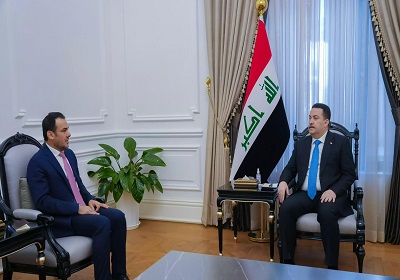
Prime Minister: The path of development will make Iraq a regional political and economic powerhouse
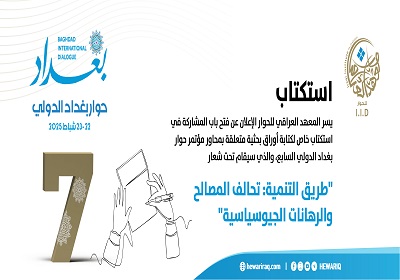
Seventh Baghdad International Dialogue Conference Call for Papers
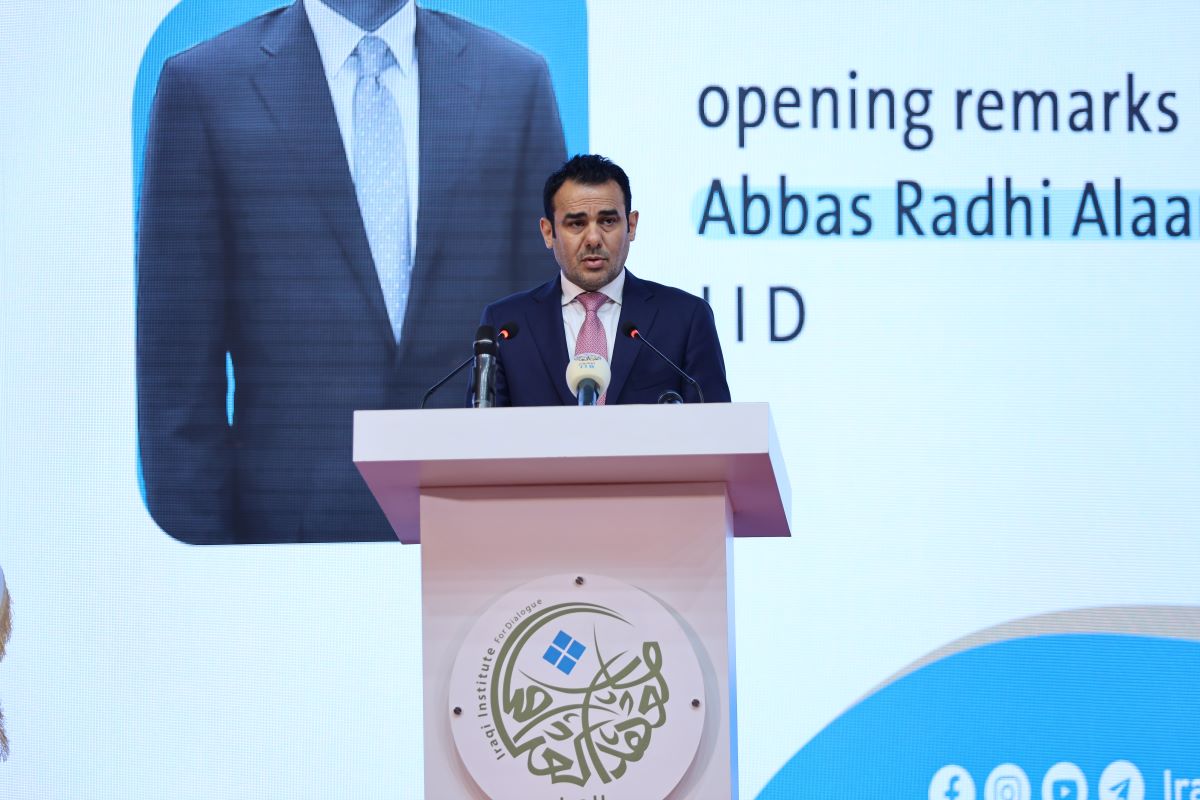
Speech of the Director of the Iraqi Institute for Dialog at the Sixth Baghdad International Dialog Conference
Comments