

Translation: Iraqi Institute for Dialog
Religious freedom in Syria teeters amid political changes and rising sectarian threats
Aid to the Church in Need (ACN) has released the 2025 edition of its World Religious Freedom Report, which covers 196 countries and assesses the legal and social conditions affecting the practice of religion.
The report draws on field research, partnerships with local organizations, and public documents to track the impact of governments and non-state actors on religious life, focusing on the period between January 2023 and December 2024.
The report highlights the uneven protection of the right to thought, conscience and religion, noting that more than half of the world's population lives in areas with serious or severe violations of religious freedom. The report also shows how countries are classified according to the degree of restrictions imposed on recognized and unrecognized religious communities.
Constitutional changes and political shifts threaten minorities
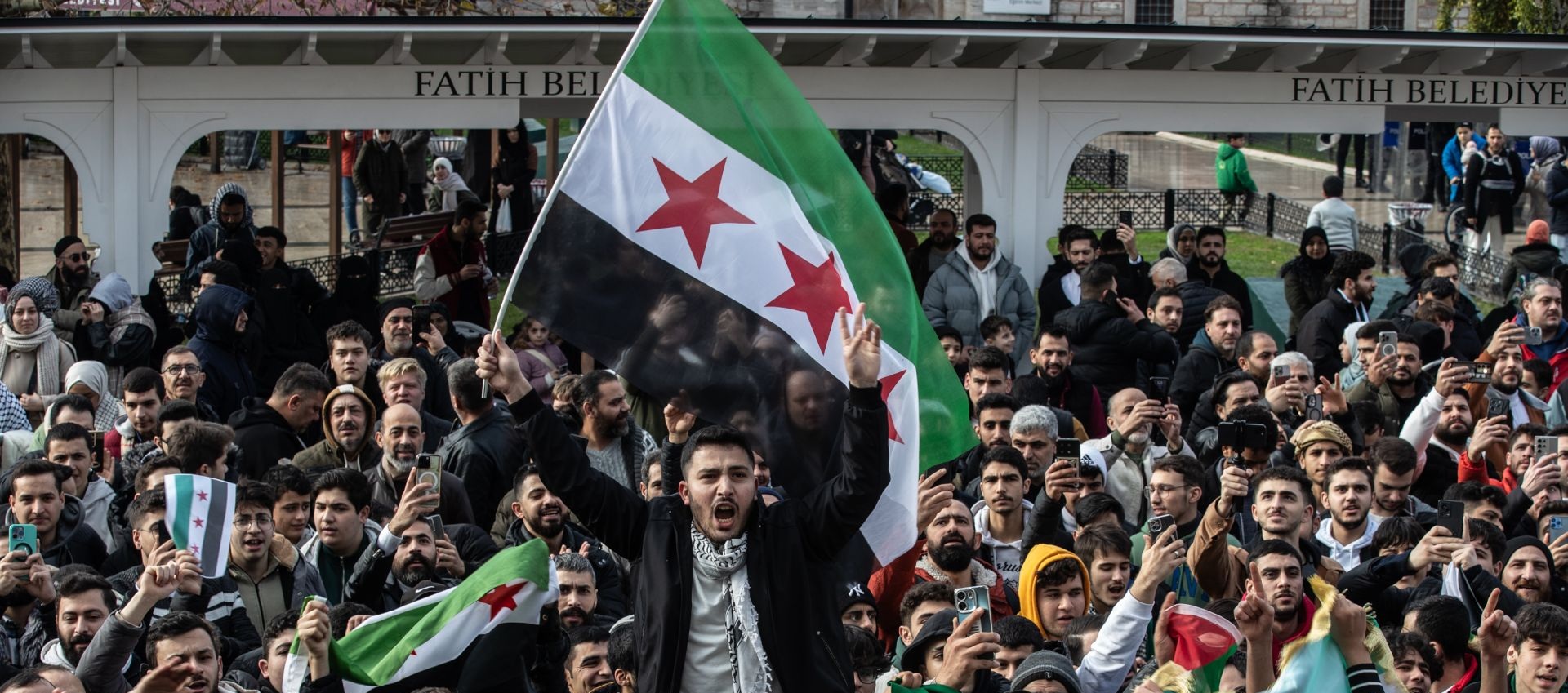
The report examines the situation in Syria, noting that religious freedoms in the country face threats with rapid political shifts, including the ouster of Bashar al-Assad in December 2024 and the emergence of Hayat Tahrir al-Sham (HTS) as a major force behind the transitional leadership.
In March 2025, interim President Ahmed al-Sharaa signed a constitutional declaration that provides for freedom of belief and equality on paper, but limits official recognition to only monotheistic religions and makes Islamic law the primary source of legislation, raising concerns that non-Abrahamic communities will be marginalized and that these provisions will be interpreted in a discriminatory manner.
The report notes the ongoing tension between official declarations of protection and ongoing localized attacks. Senior Christian officials have met with representatives of the new authorities, but fears among ordinary believers have yet to be alleviated, with many expressing fear of community Islamization and the curtailment of their rights as a minority community.
Sectarian attacks, legal loopholes, and armed violations
The report records repeated incidents of violence, from vandalizing and looting churches to kidnapping civilians and sectarian attacks, noting incidents in Beit Zalin (Qamishli), the Syrian coast, the burning of a Christmas tree in Hamto (Hama) by non-Syrian HTS elements, as well as pressure and forced religious conversion against Yazidis in Kafrin (Afrin).
The report also noted that laws continue to restrict the freedom to convert from Islam and impose penalties for defamation of religion, and personal status laws continue to limit the rights of religious minorities in marriage and family.
Security Challenges and Growing Threats from Armed Groups
ISIS has re-emerged in some areas, foreign elements are deployed within the HTS, and sporadic sectarian massacres are occurring, all of which quickly threaten guarantees of religious tolerance. A wave of sectarian violence in early 2025 that spread to the coast and Darmsouk (Damascus), causing retaliation and civilian deaths, exposed the limits of the transitional government's authority to protect everyone.
Symbolic manifestations of protection are insufficient
The report saw some limited signs of optimism, such as the ability of the small Jewish community to pray collectively for the first time in decades, and the presence of minority representatives in the transitional government. The report emphasized that the protection of symbolic minority rights is no substitute for real legal guarantees and the independence of the judiciary and law enforcement.
The struggle between Islamism and pluralism
The report describes Syria's future as a struggle between efforts to enshrine Islamism in legislation and guarantees of pluralism backed by community resilience and international pressure. Centralized authorities promise protection, but distributed armed groups impose their own laws.
The report concludes that achieving lasting religious freedom requires a tangible commitment from the transitional leadership to control militias and turn promises into actual protection, otherwise Syria's religious mix will remain at risk despite its long history of diversity and difference.
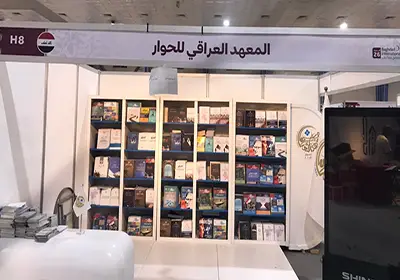
The Iraqi Institute for Dialogue, the logistical sponsor of the Baghdad International Book Fair, opens its own pavilion at the fair
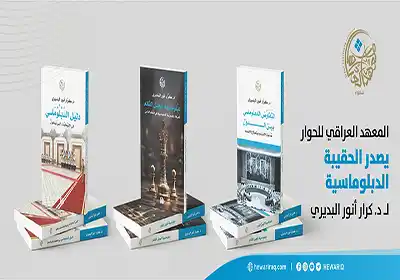
The Iraqi Institute for Dialogue publishes "The Diplomatic Portfolio" by Dr. Karrar Al-Badiri
Official agreement between Iraqi Institute for Dialogue and the Iraqi Media Network to sponsor The Seventh Annual International Conference of “Baghdad Dialogue” 2025
Invitation to the 79th issue of Dialogue of Thought
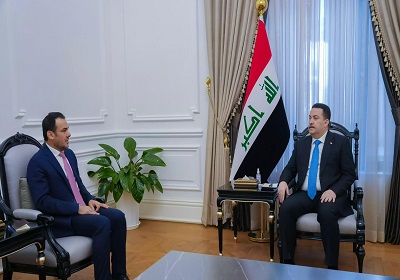
Prime Minister: The path of development will make Iraq a regional political and economic powerhouse
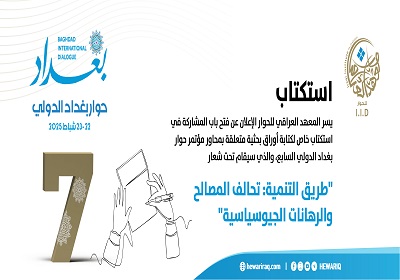
Seventh Baghdad International Dialogue Conference Call for Papers
Praise for the Baghdad International Dialogue: Strengthening Iraq's pivotal role and a meeting point for visions
Comments