


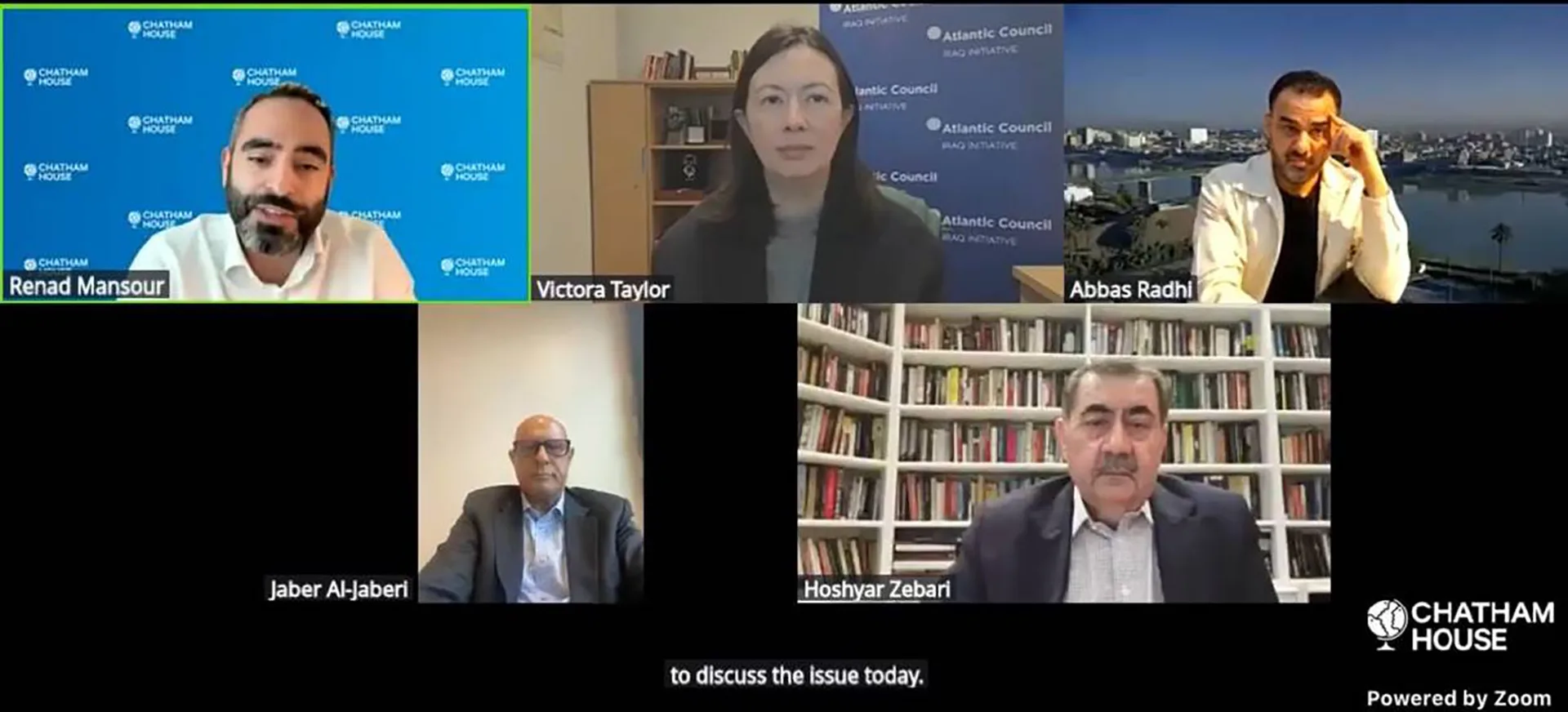
Director of the Iraqi Institute for Dialogue participates in the Chatham House seminar "Iraqi Elections: What Next?"
Chatham House organized a webinar titled "Iraqi Elections 2025: What's Next?", with the participation of a number of prominent political experts and officials to discuss the Iraqi parliamentary elections and their implications for government formation and Iraq's domestic and foreign policy.
Dr. Abbas Radhi, Director of the Iraqi Institute for Dialogue and Secretary General of the Coordinating Framework of the State Administration Coalition, Ms. Victoria Taylor, Director of the Iraq Initiative in the Middle East Program at the Atlantic Council, Hoshyar Zebari, member of the Political Bureau of the Kurdistan Democratic Union Party, and Dr. Jaber Al-Jabri, Senior Advisor for the Taqaddam Party, participated in the symposium.
During the seminar, Dr. Abbas Rady explained that the coordination framework set clear criteria for the next prime minister, stressing that the most prominent of these criteria is that the position or state resources should not be exploited for electoral purposes.
He reiterated that the committees emanating from the Coordination Framework after its declaration of the largest parliamentary bloc continue to meet continuously in order to resolve the prime ministerial candidate.
He added that Iraq remains committed to a "policy of balance" in its international relations, while emphasizing that it does not accept any imposition or dictation from any external party regarding the selection of the prime minister of the new government.
He pointed out that the coordinating framework is communicating with national political forces to resolve the formation of the government in accordance with constitutional timelines, and that the goal is for the next government to be able to face the major challenges that Iraq is facing, especially the economic and environmental challenges, in addition to the water crisis.
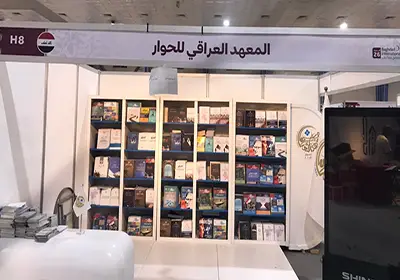
The Iraqi Institute for Dialogue, the logistical sponsor of the Baghdad International Book Fair, opens its own pavilion at the fair
Official agreement between Iraqi Institute for Dialogue and the Iraqi Media Network to sponsor The Seventh Annual International Conference of “Baghdad Dialogue” 2025
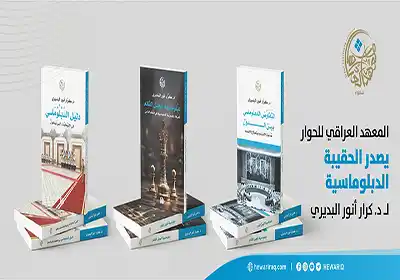
The Iraqi Institute for Dialogue publishes "The Diplomatic Portfolio" by Dr. Karrar Al-Badiri
Invitation to the 79th issue of Dialogue of Thought
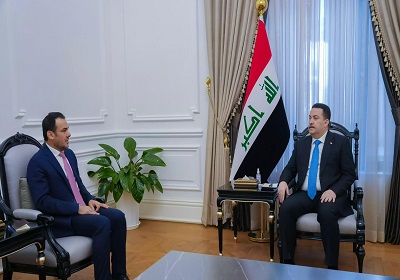
Prime Minister: The path of development will make Iraq a regional political and economic powerhouse
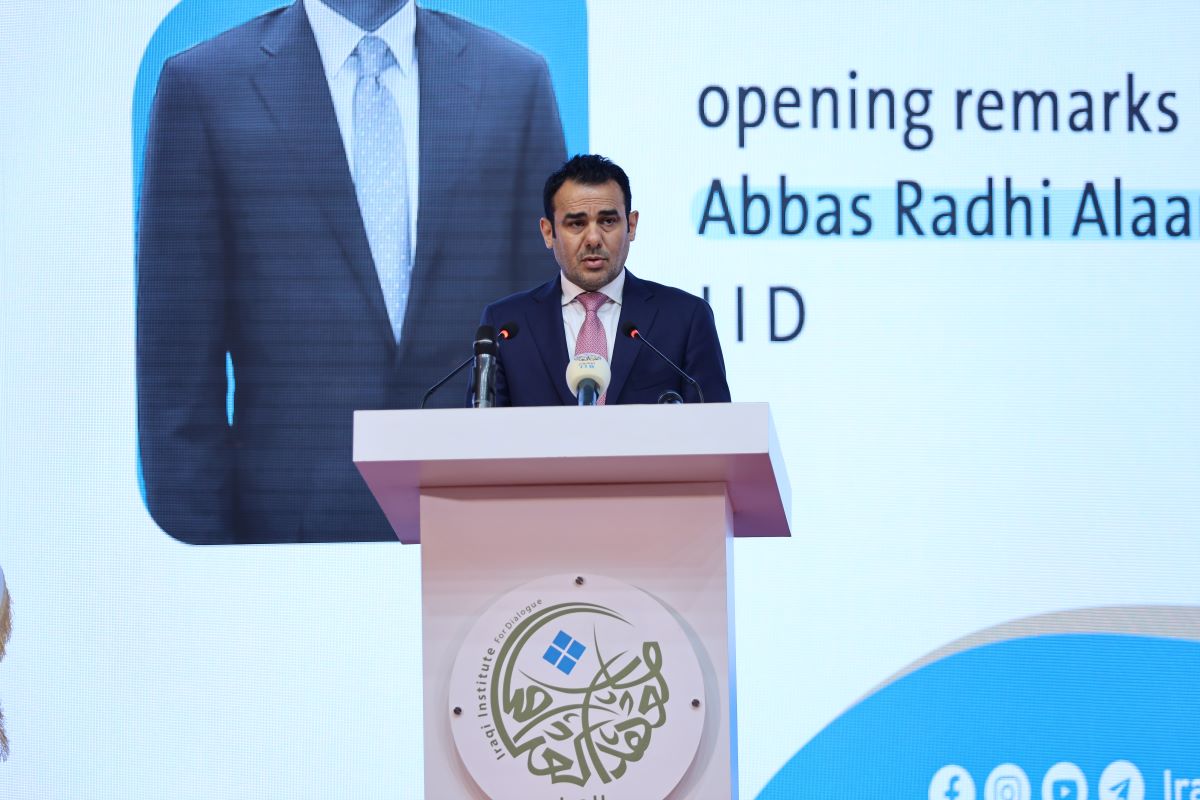
Speech of the Director of the Iraqi Institute for Dialog at the Sixth Baghdad International Dialog Conference
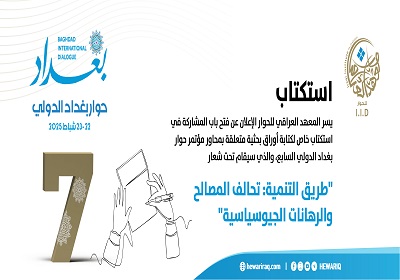
Seventh Baghdad International Dialogue Conference Call for Papers
Comments