


Harshit Prajapati is a researcher at the Center for Indian Studies
Will Seoul spark nuclear submarine race?
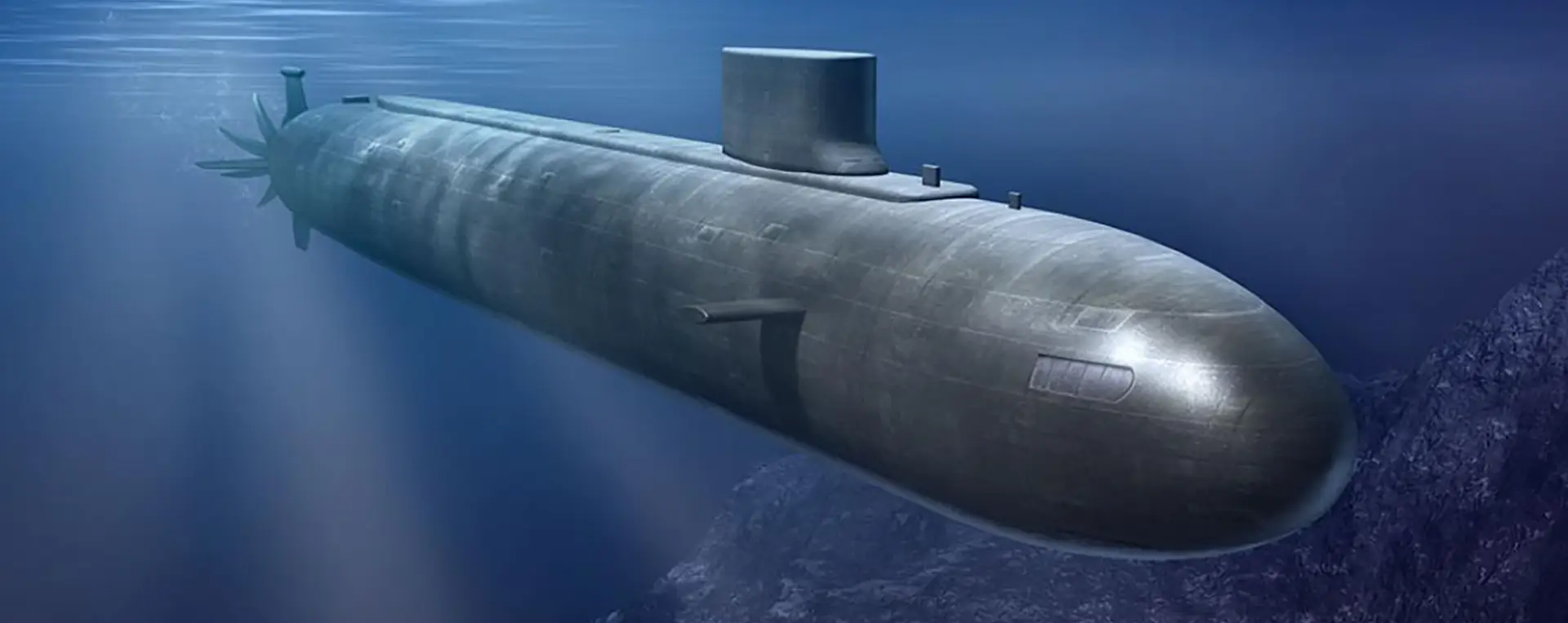
In a landmark decision, the United States approved South Korea's plan to build nuclear-powered submarines. The announcement followed a meeting between the two countries' presidents on the sidelines of the Asia-Pacific Economic Cooperation (APEC) summit in South Korea. The move will allow South Korea to join the group of countries that own SSN submarines: the United States, Russia, China, France, Britain, and India.
But allowing South Korea to build nuclear submarines would create a dangerous precedent for countries seeking nuclear capabilities and put pressure on the global nonproliferation regime.
The growth of North Korea's nuclear arsenal, which declared itself an “irreversible nuclear state,” has led to mounting demands within South Korea for a nuclear deterrent. And although more than 70% of the public supports the option of nuclear armament, the majority of the elites are still not in favor of it, despite the fact that there is a significant percentage that favors the option of reaching the nuclear threshold.
A nuclear threshold means that a country has all the necessary capabilities (technology, infrastructure, and expertise) to produce nuclear weapons without actually doing so. It can produce a nuclear weapon in a few months.
South Korea may need years to build a nuclear weapon now, but having a nuclear threshold would enable it to produce it within months, reducing the political and diplomatic cost (sanctions, international isolation, loss of U.S. security guarantee) and giving it a reality. Seoul possesses all elements of the nuclear threshold except fissile material; The nuclear submarine project gives it a chance to acquire these materials.
So far, only the five nuclear-armed states that are signatories to the Non-Proliferation Treaty (NPT) and India – which are not signatories – have nuclear attack submarines. But South Korea is a non-nuclear signatory to the treaty, and it can exploit a loophole: The treaty allows non-nuclear states to remove fissile material used in “unprohibited military activities” such as naval reactors from IAEA monitoring. And so South Korea could use fissile material in its nuclear submarines to produce nuclear weapons.
Australia will also build nuclear submarines under the AUKUS deal, but it has neither the motivation nor the means to build a nuclear weapon, which explains why Washington and London have allowed it to do so. But South Korea has potential intent and capability, and with nuclear submarines it will be able to get the missing ingredient: fissile material.
There are two ways the United States can help South Korea build nuclear submarines:
First: to provide them with low-enriched uranium (20%) to operate offshore reactors. And this is similar to what is happening with Australia, without amending the nuclear cooperation agreement between the two countries (Agreement 123). But the problem is that this type of reactor needs periodic resupply, which means a high probability of converting a part of the fissile material to reach highly enriched uranium (90%) used in nuclear weapons.
Second: that Washington modify the 123 agreement with Seoul to allow it to enrich and process U.S. nuclear fuel. This will allow it to acquire the materials needed to develop a nuclear weapon. The United States granted this privilege to Japan only, because of its strict adherence to the three non-proliferation standards and principles: non-possession, non-manufacture and non-introduction of nuclear weapons. Japan is therefore described as a “bomb in the basement”, as it can produce a weapon within months, but it does not do so because of its strict adherence to international standards.
"In both scenarios, Washington would effectively allow South Korea to acquire the full potential to produce a nuclear weapon." And even if Seoul doesn’t actually intend to build a weapon and just reaches the “threshold,” it would set a dangerous precedent that other countries could use to build nuclear weapons under the cover of building nuclear submarines.
Countries such as Brazil (Alberto Albaro project) and Turkey (NUKDEN project) are already progressing on the path of building nuclear submarines. Iranian figures have also stated on several occasions that Iran is seeking to acquire nuclear submarines – although there is no active project at the moment. This threatens to weaken the US-led non-proliferation regime with great success for decades in preventing non-nuclear states from producing nuclear weapons.

The Iraqi Institute for Dialogue, the logistical sponsor of the Baghdad International Book Fair, opens its own pavilion at the fair
The Iraqi Institute for Dialogue publishes "The Diplomatic Portfolio" by Dr. Karrar Al-Badiri
Official agreement between Iraqi Institute for Dialogue and the Iraqi Media Network to sponsor The Seventh Annual International Conference of “Baghdad Dialogue” 2025
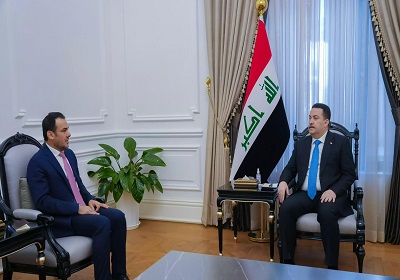
Prime Minister: The path of development will make Iraq a regional political and economic powerhouse

Invitation to the 79th issue of Dialogue of Thought
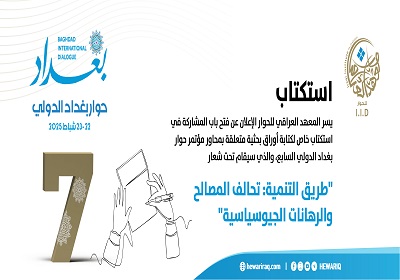
Seventh Baghdad International Dialogue Conference Call for Papers

Praise for the Baghdad International Dialogue: Strengthening Iraq's pivotal role and a meeting point for visions
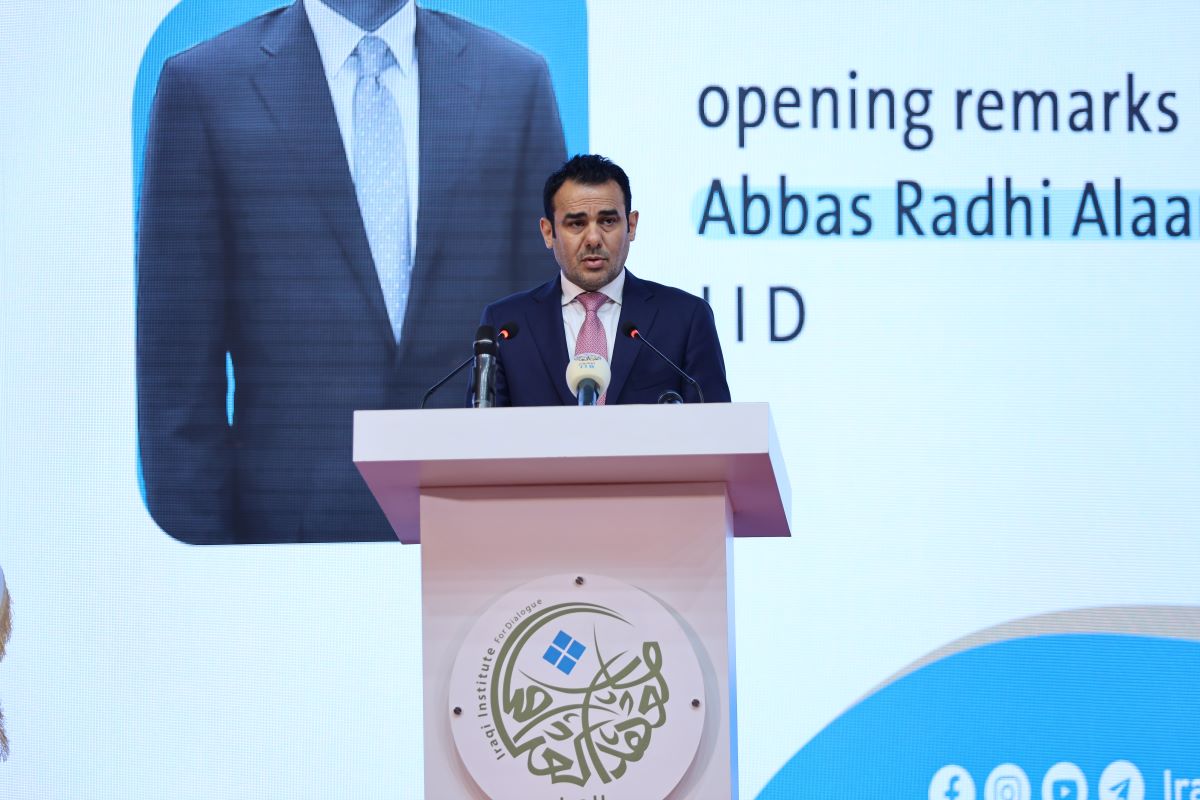
Comments