


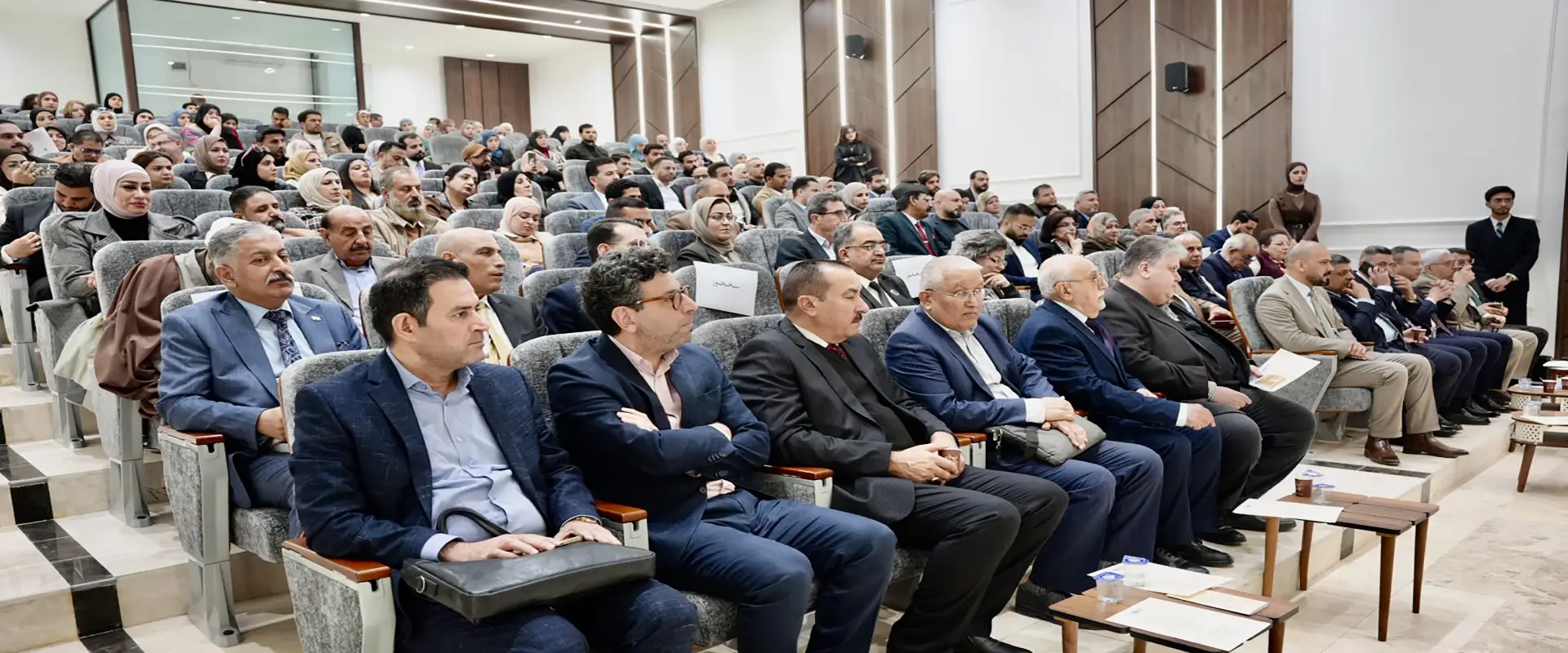
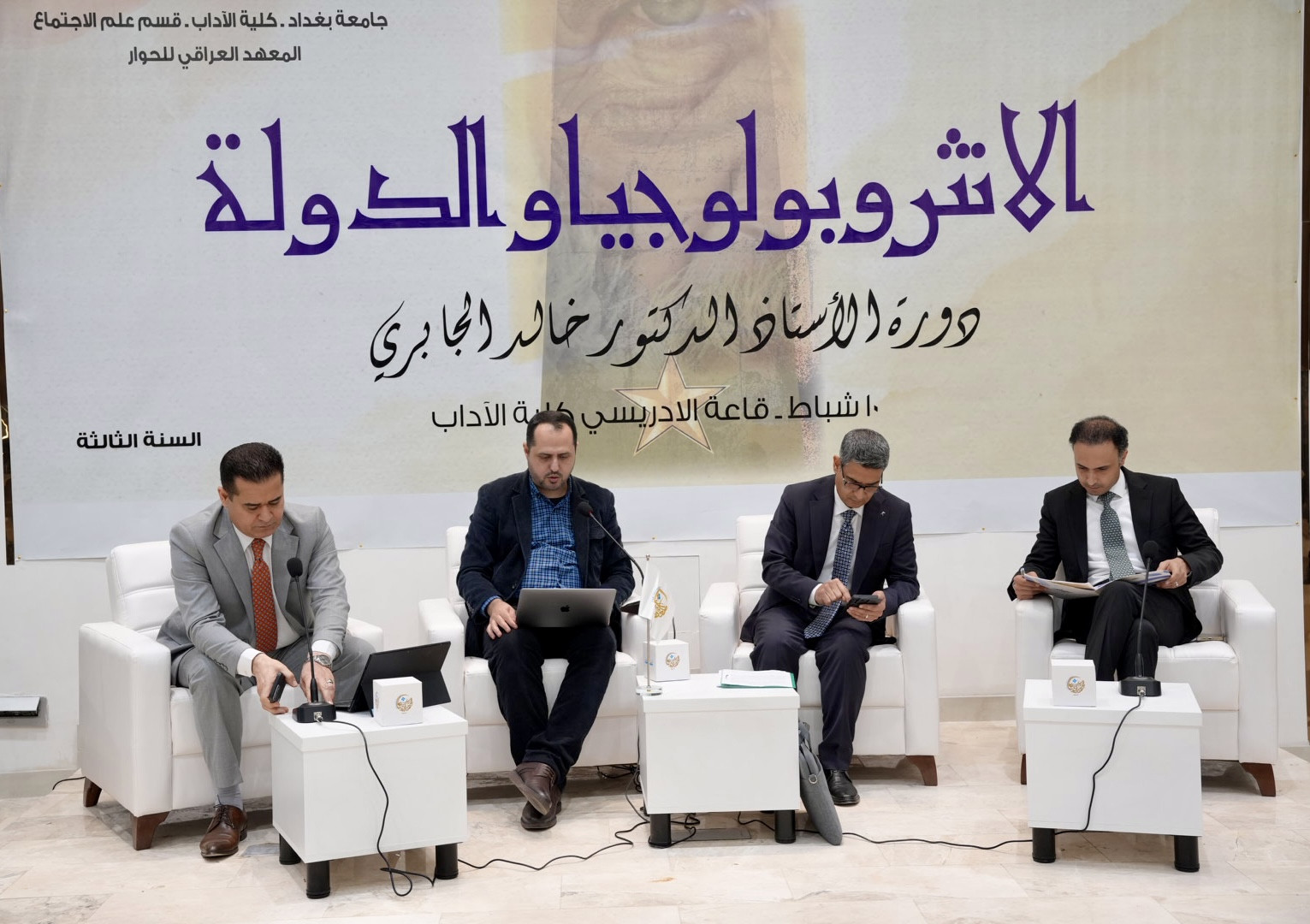
The Iraqi Institute for Dialog and the College of Arts at the University of Baghdad organize the third international conference "Anthropology and the State"
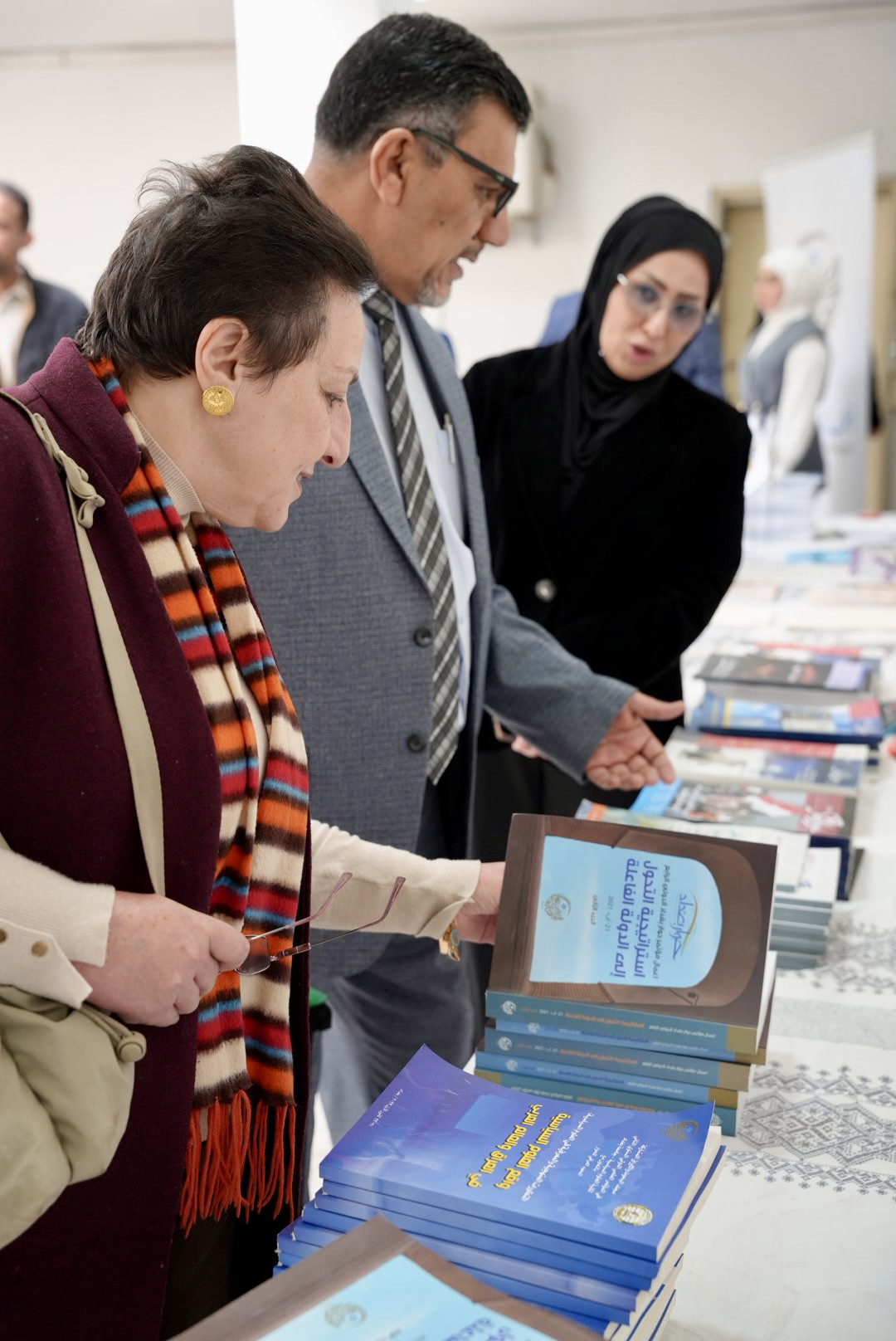
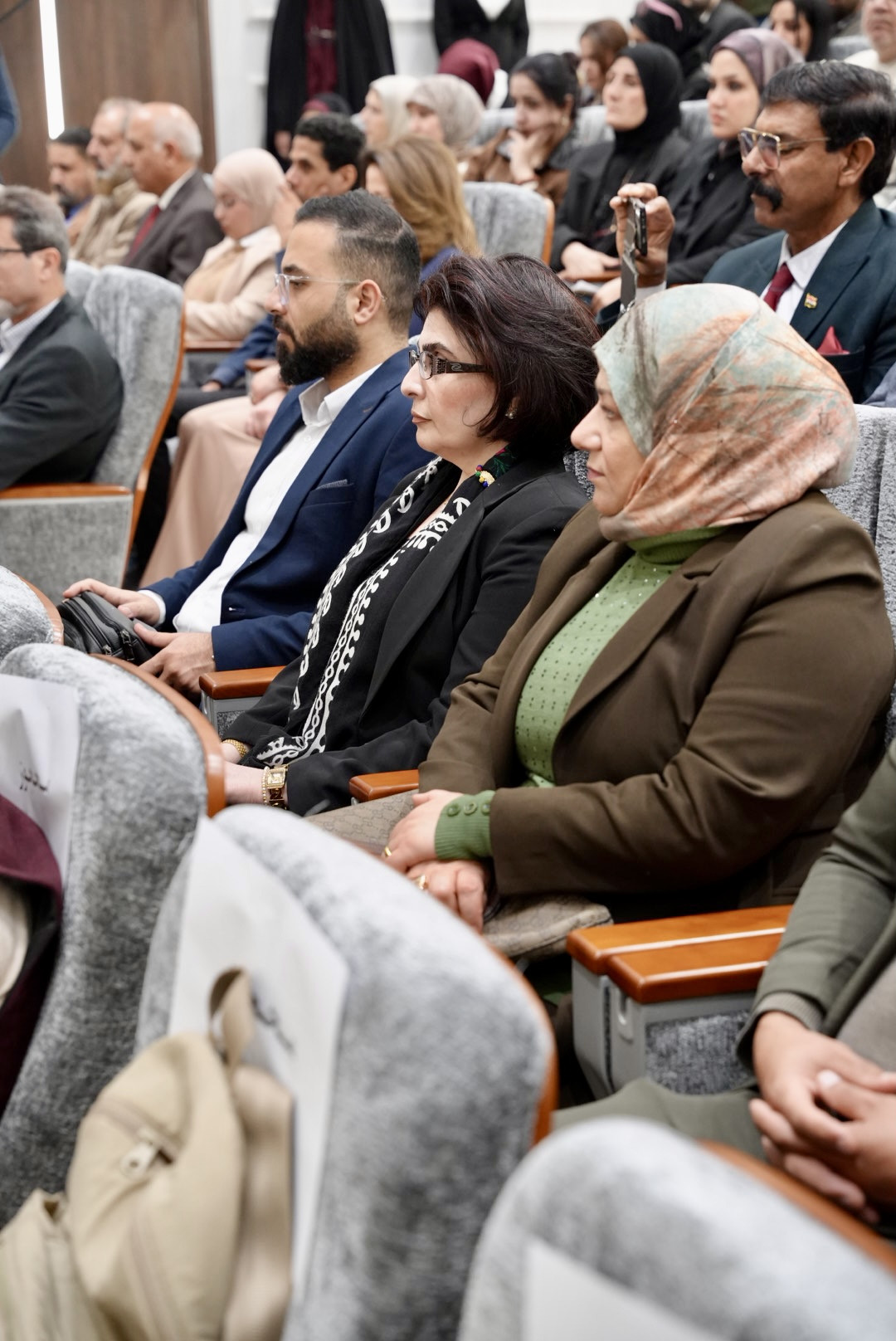
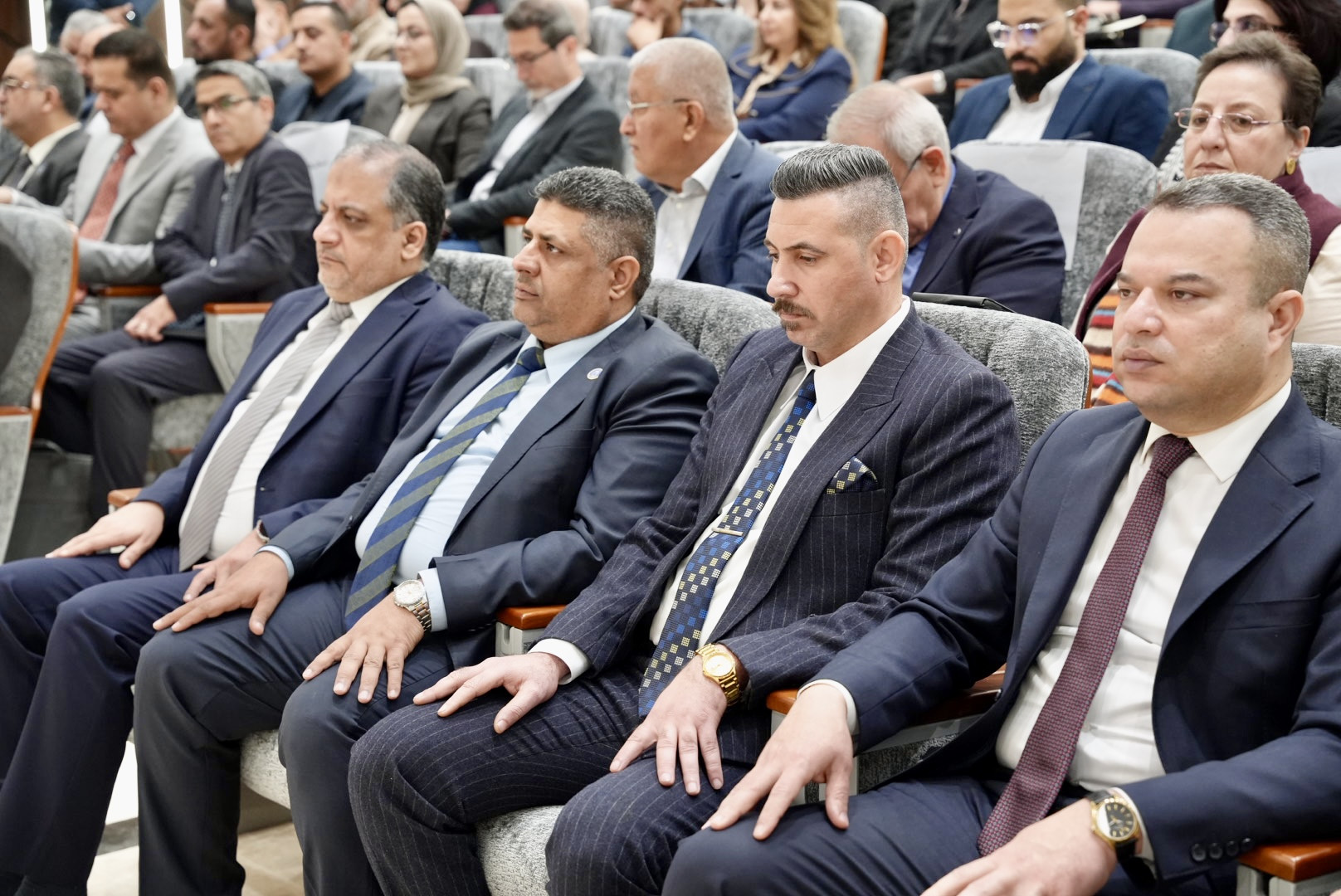
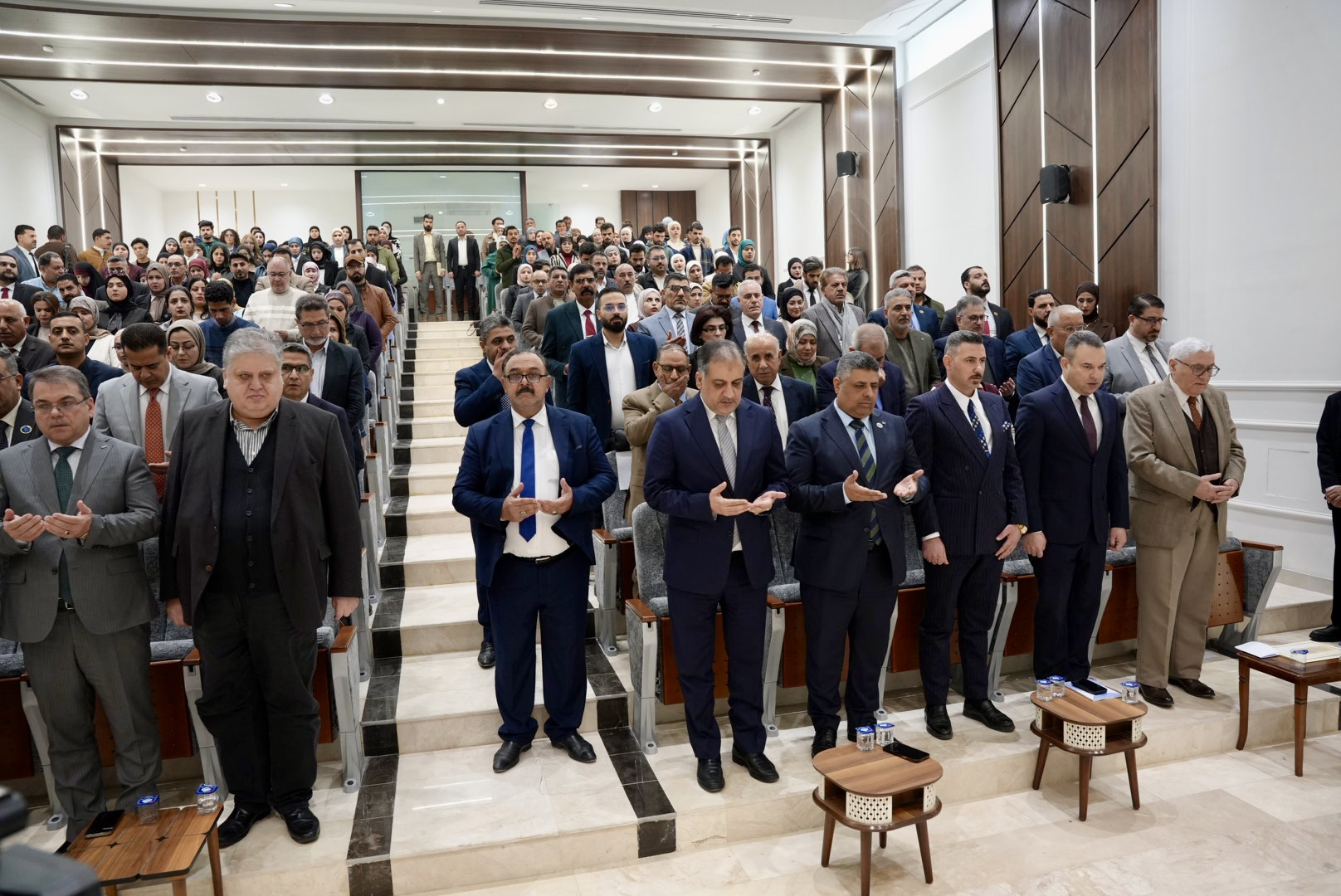
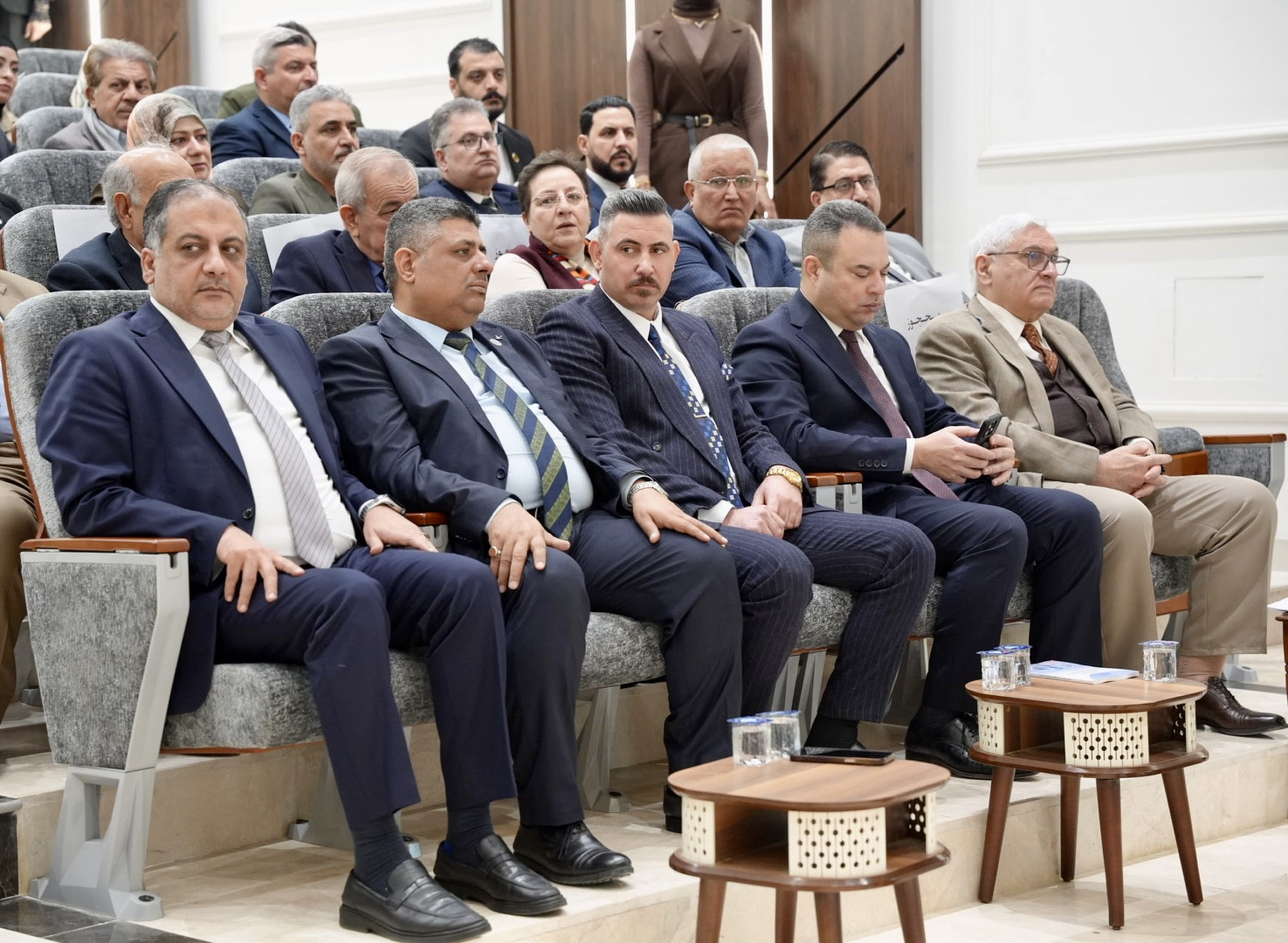
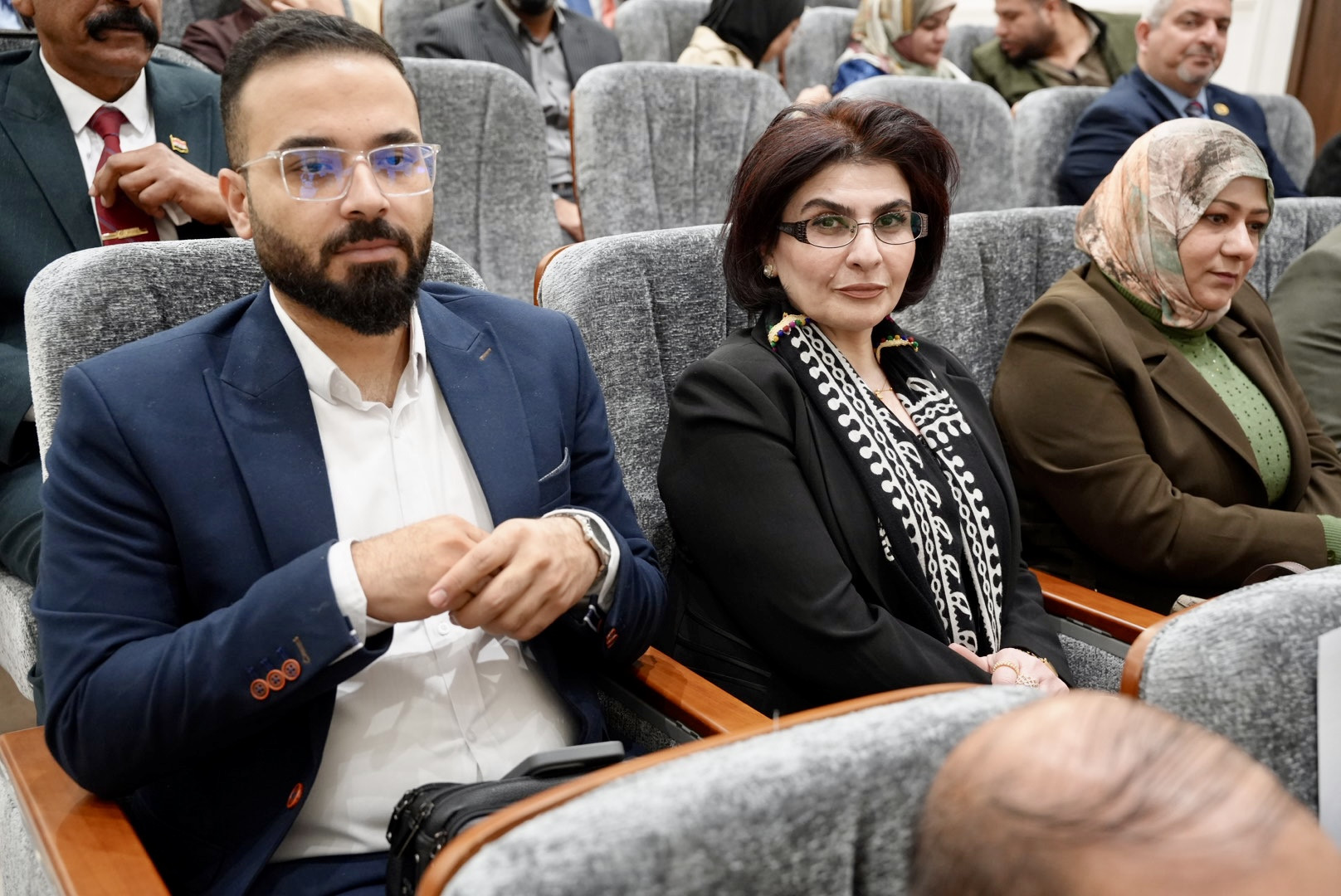
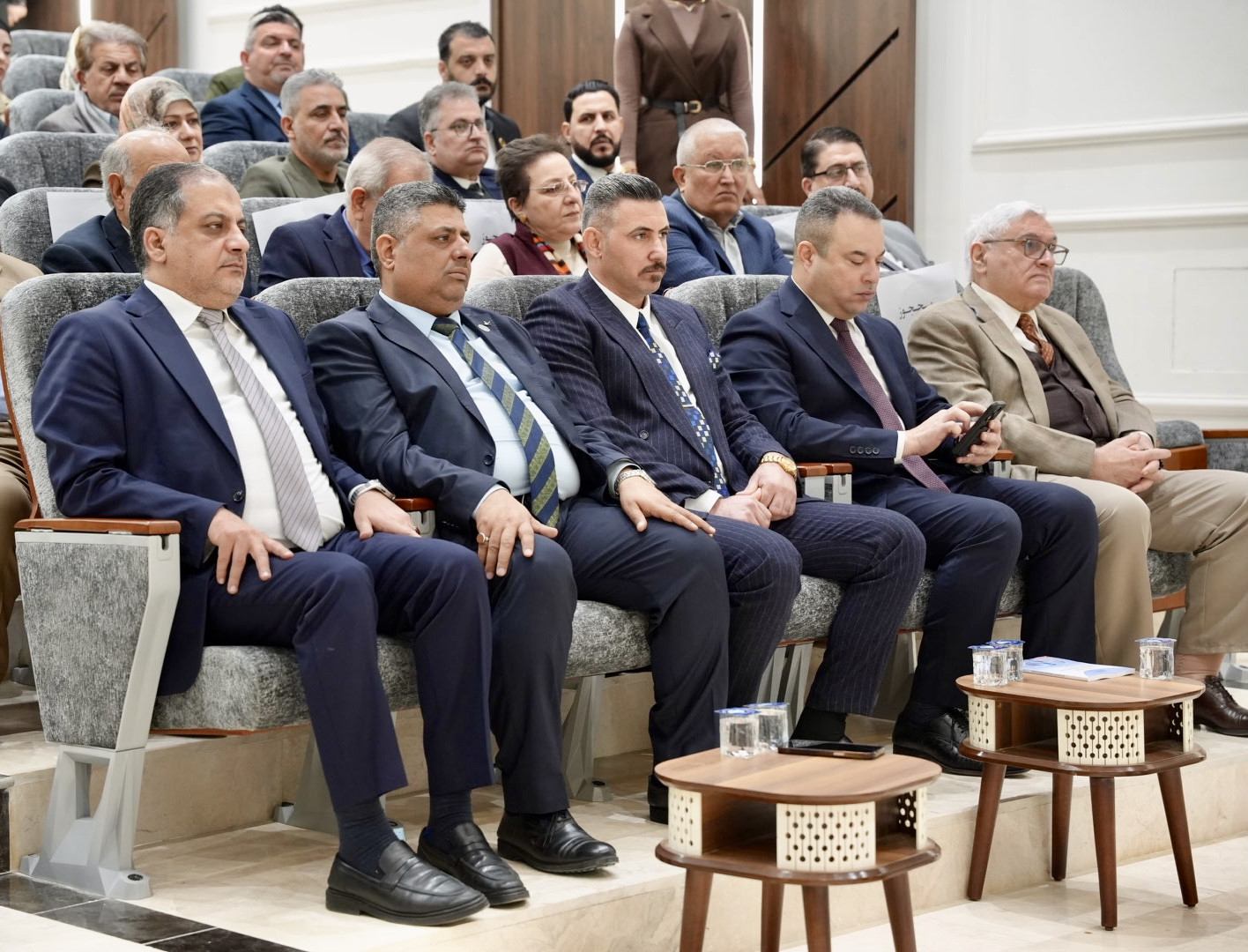
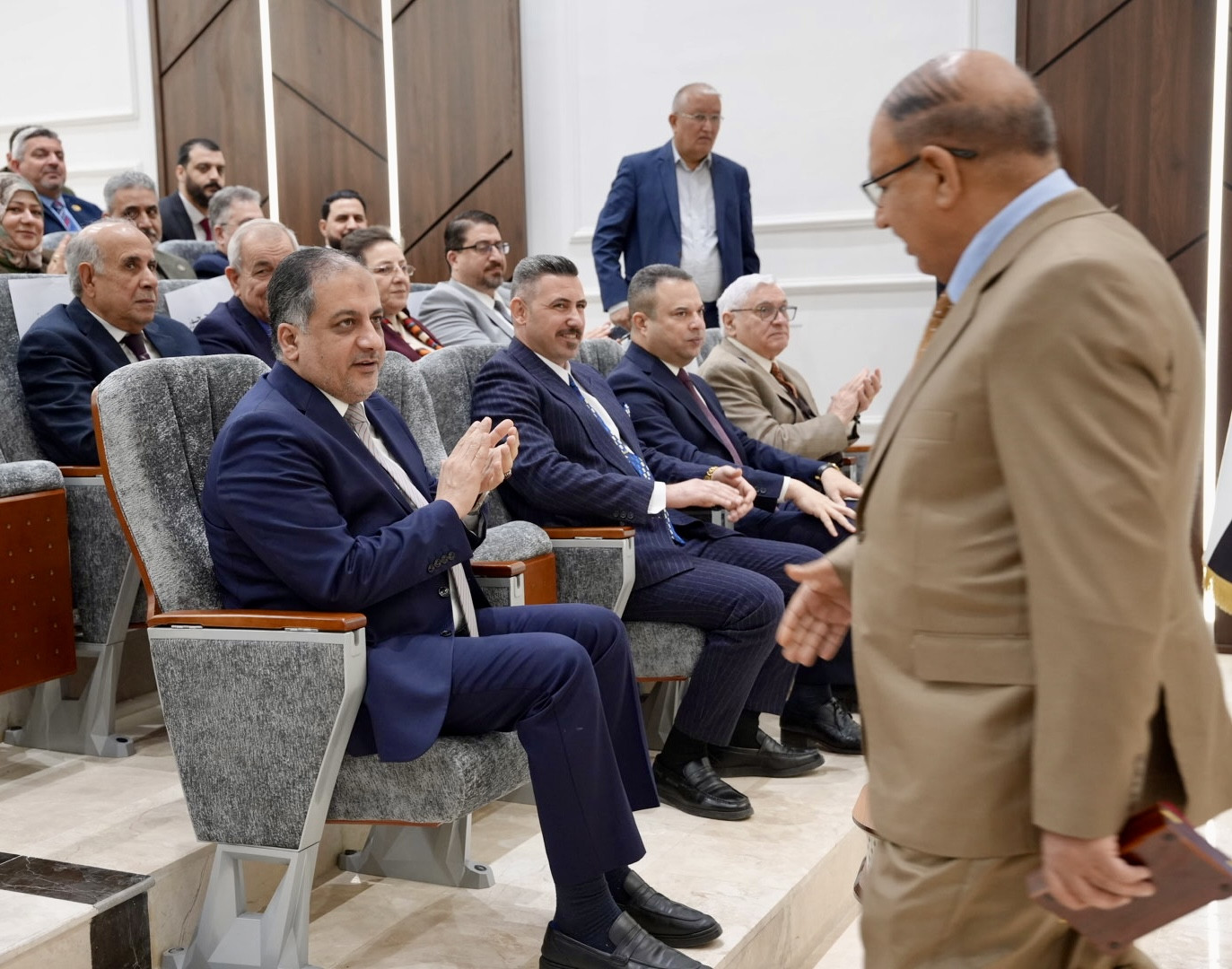
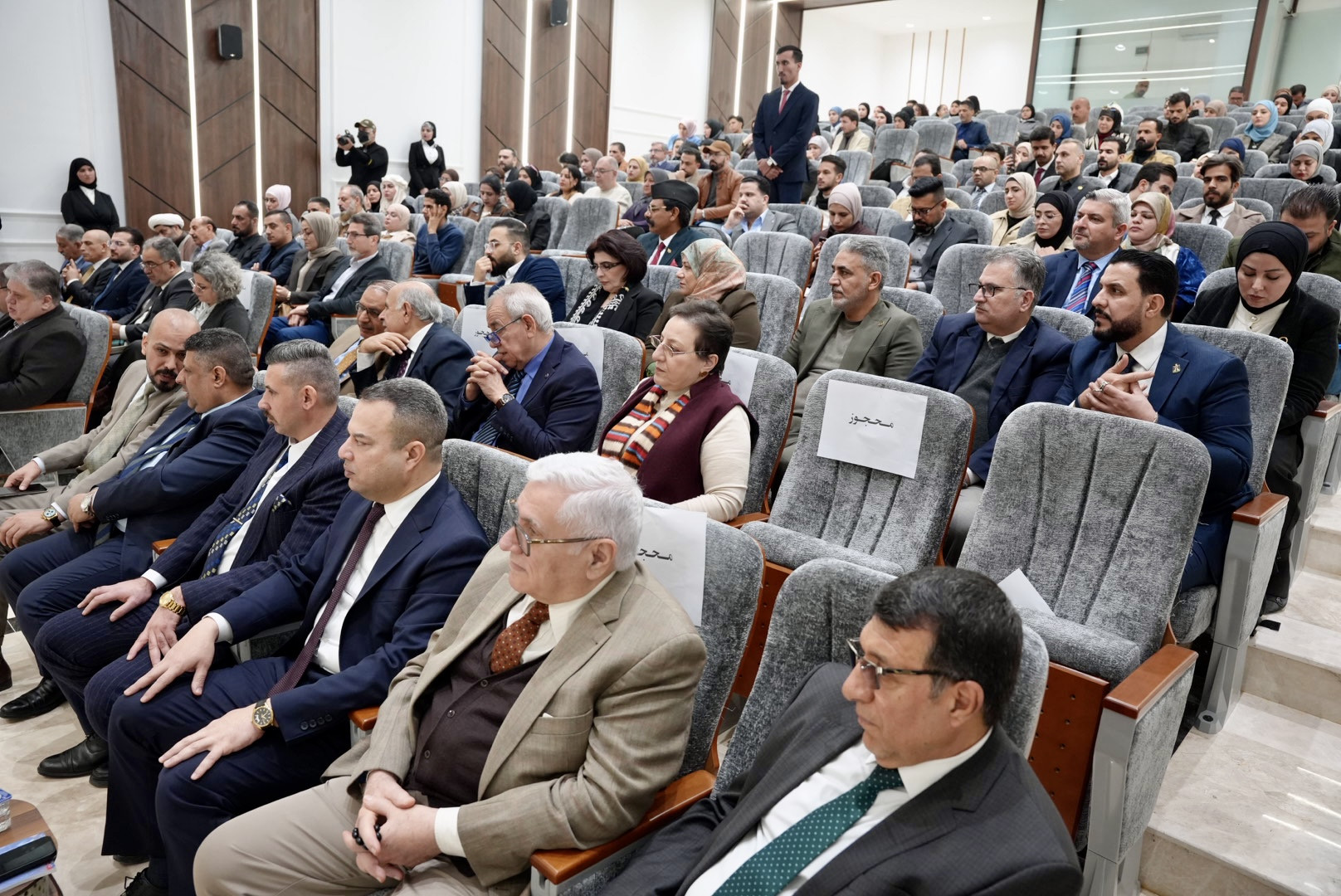
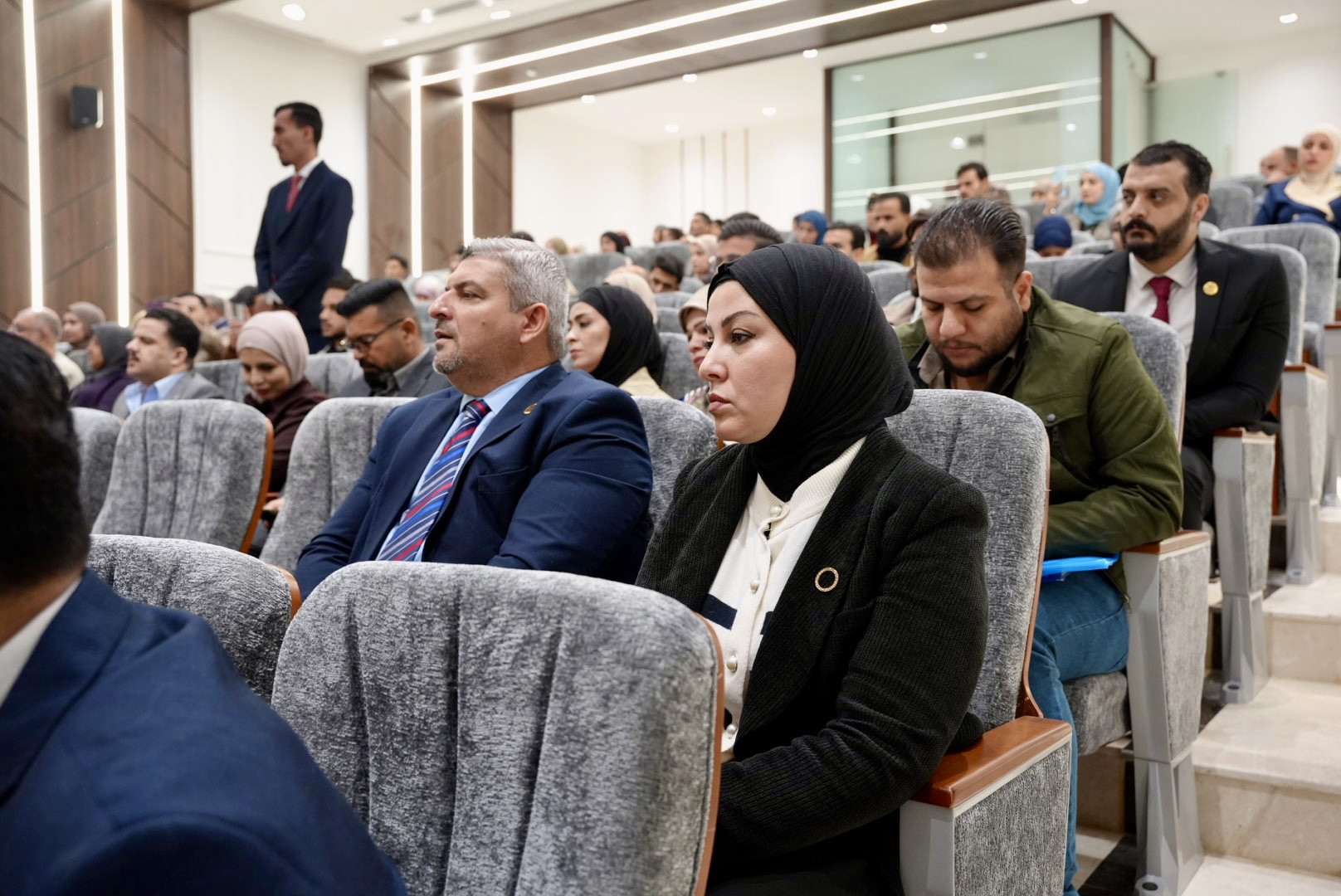
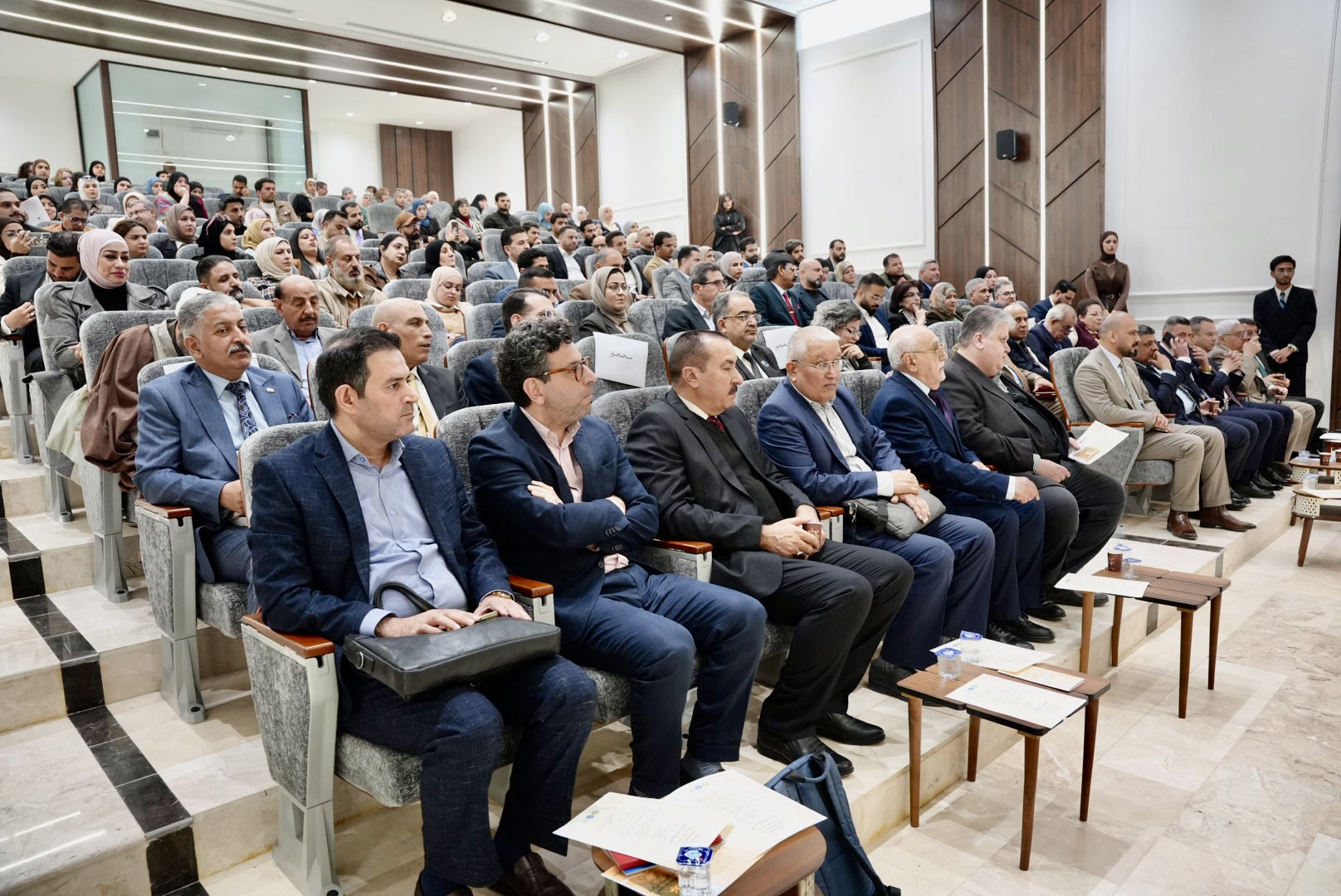
The activities of the Third International Conference on Anthropology under the title "Anthropology and the State", which was organized by the Iraqi Institute for Dialog in cooperation with the Faculty of Arts at the University of Baghdad, kicked off on Tuesday morning at the Al-Ardisi Hall of Literature.
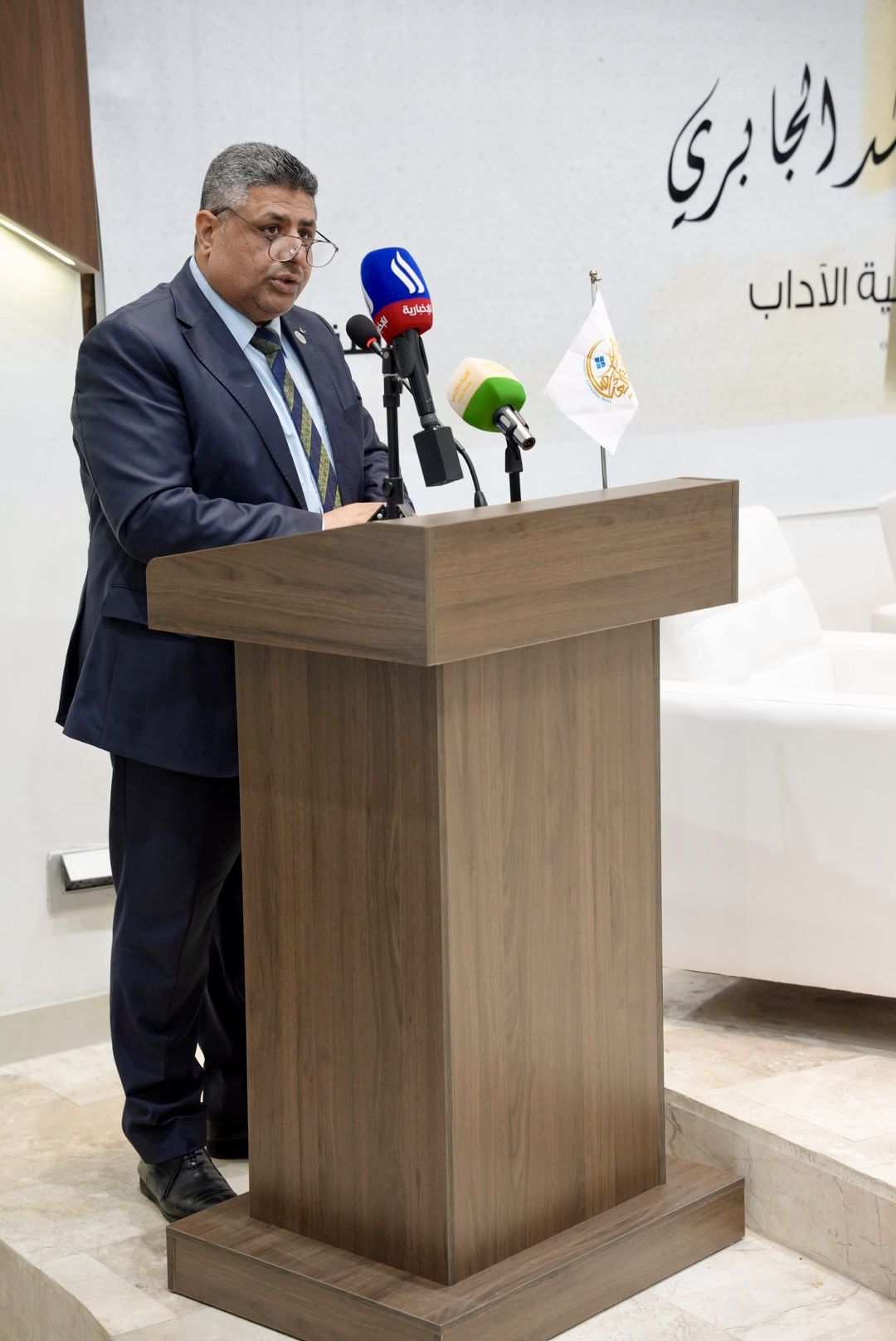
The activities of the conference began with the recitation of verses from the Holy Quran performed by the reader Muhammad Baydan, followed by a welcoming speech from the Dean of the College of Arts, Dr. Ali Abdul Amir, to the participants and stressed the importance of the conference in enhancing scientific knowledge and exchanging academic experiences.
Dr. Abdul Amir explained that this conference is characterized by international participation, expressing his thanks to the Iraqi Institute for Dialog and its director, Dr. Abbas Radhi, for the cooperation and great support he provided to establish this conference, and appreciating the efforts of all the cadres participating in the College of Arts and the Iraqi Institute for Dialog.
The conference aims to enhance academic dialog and exchange of experiences among researchers, and highlight the state not only as a physical entity, but as a cultural and symbolic structure formed through daily practices, while studying issues of identity and cultural policies in the region. The conference also seeks to support anthropological research and knowledge development at the local and international levels.
And a group of local and international academics and researchers participate in the conference, where the discussion sessions and scientific papers provide qualitative contributions to analyzing the relationship between the state and culture, examining international trends and their impact on sub-identities, in addition to criticizing the traditional concepts of non-international societies.
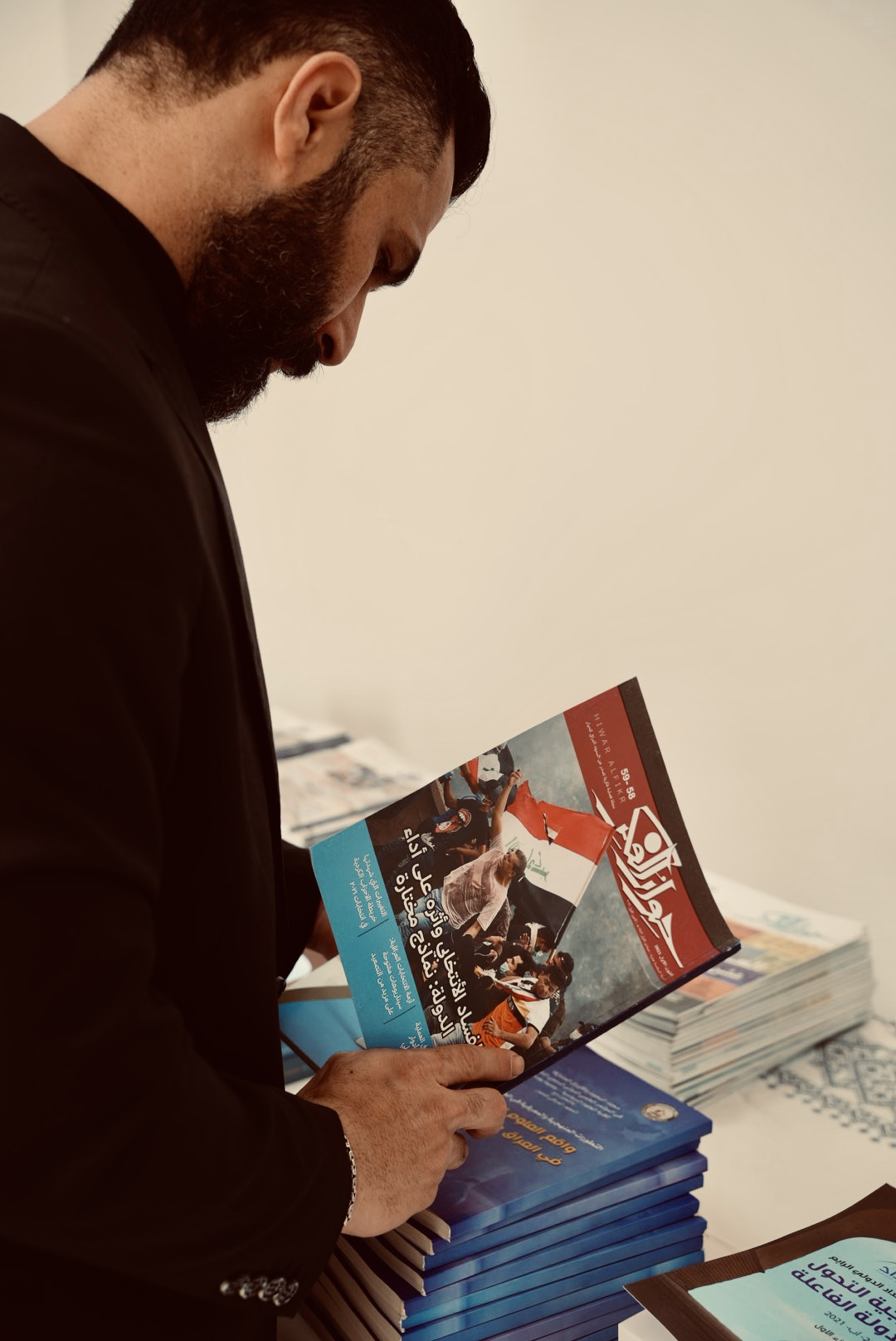
The Iraqi Institute for Dialogue, the logistical sponsor of the Baghdad International Book Fair, opens its own pavilion at the fair
Official agreement between Iraqi Institute for Dialogue and the Iraqi Media Network to sponsor The Seventh Annual International Conference of “Baghdad Dialogue” 2025
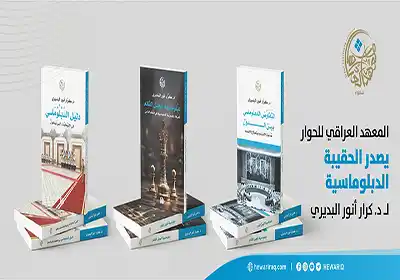
The Iraqi Institute for Dialogue publishes "The Diplomatic Portfolio" by Dr. Karrar Al-Badiri
Invitation to the 79th issue of Dialogue of Thought
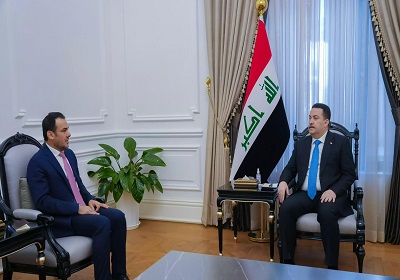
Prime Minister: The path of development will make Iraq a regional political and economic powerhouse
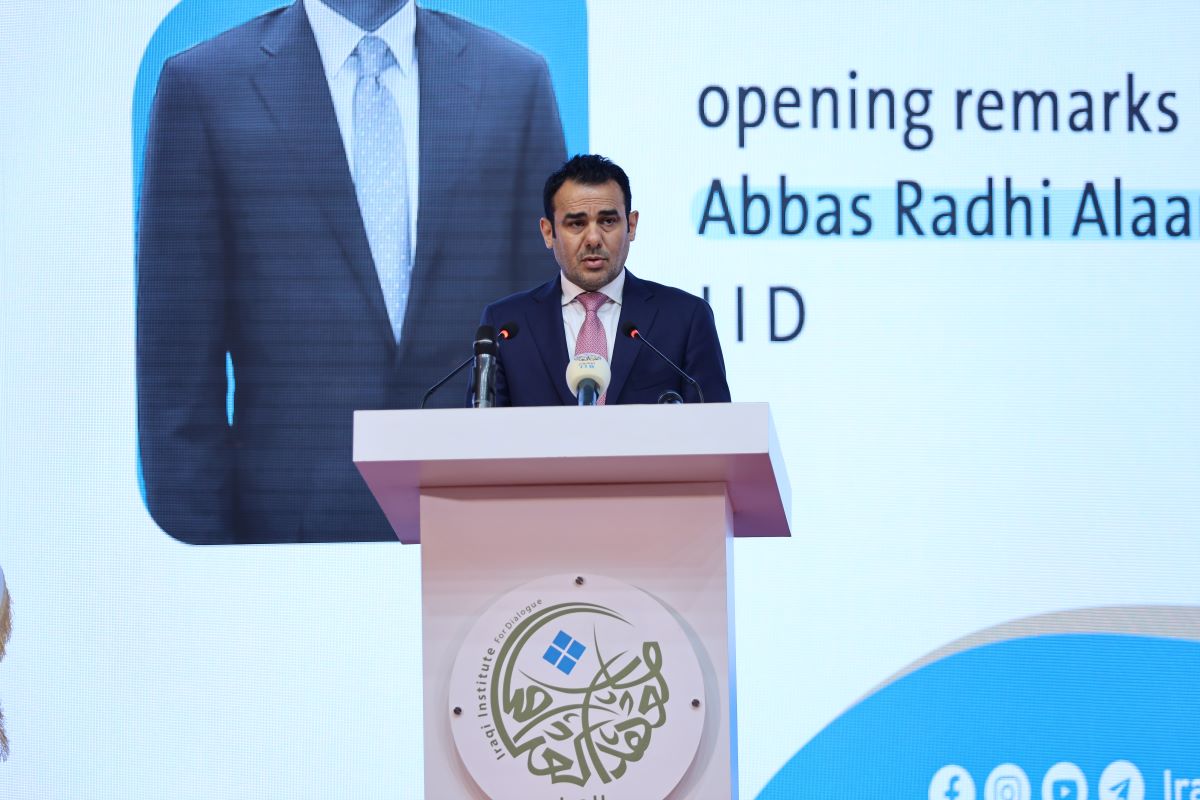
Speech of the Director of the Iraqi Institute for Dialog at the Sixth Baghdad International Dialog Conference
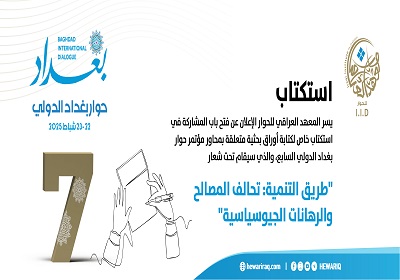
Seventh Baghdad International Dialogue Conference Call for Papers
Comments