


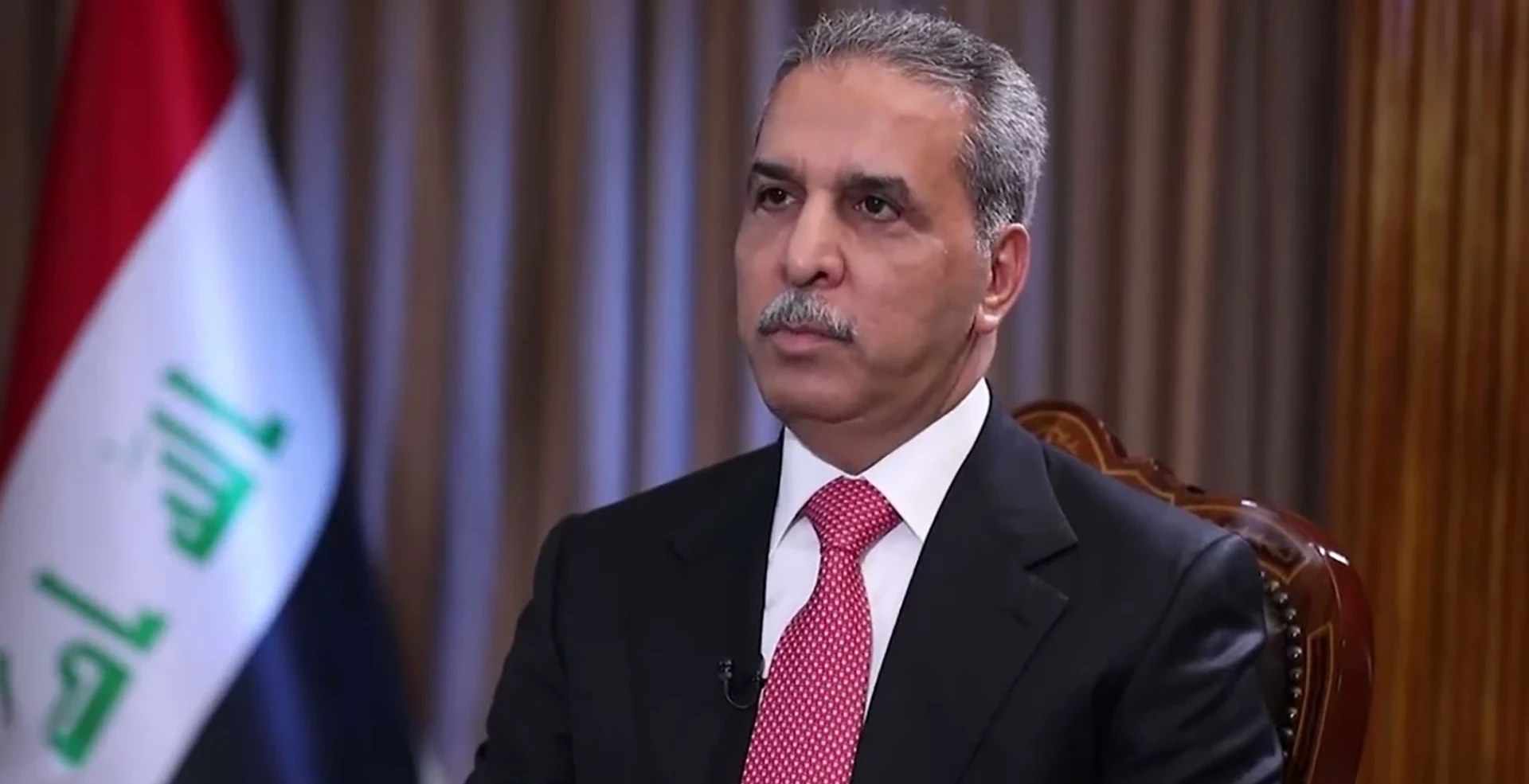
The Sin of Misinterpreting the Constitution
The Constitution is the supreme rule in the legal structure of the State. It determines the form of the political system, regulates the relationship between the authorities and guarantees rights and freedoms. The judicial interpretation of the constitutional provision is therefore not only a technical exercise, but a constitutive act that affects the entire entity of the State. Hence the sin of misinterpreting the Constitution as one of the most dangerous forms of judicial perversion, because of its profound effects beyond the limits of the dispute on offer.
The sin of misinterpretation does not imply a difference of opinion or a diversity of interpretative schools, but rather a departure from the spirit and purposes of the Constitution. Or, the text should be loaded with the meaning it does not bear, ignoring the historical and political context in which the text originated, and giving precedence to circumstantial or political considerations over the established constitutional principles.
Constitutional interpretation must be disciplined by scientific and methodological controls, or else it must become a means of rewriting the constitution outside its legitimate mechanisms. In some cases, misinterpretation of the constitutional text, especially if it concurs with the interests of a particular authority, may be seen as political bias, leading to a loss of confidence in the independence and integrity of the constitutional judiciary.
Article 76 of the Constitution of the Republic of Iraq of 2005 is one of the most controversial constitutional texts; It is directly related to the formation of the executive branch. It stipulated that the president designate the candidate of the "largest parliamentary bloc" to form the cabinet within a specified period.
However, the constitutional problem appeared in the interpretation of this term, which was addressed by the Federal Supreme Court in its decision issued in issue "25/Federal/2010" dated 25/3/2010, which is still the subject of juridical and political controversy to this day (one of the decisions that we have already dealt with research and analysis in the doctoral thesis and our book entitled Constitutional Judicial Control of Constitutional Boundaries between Authorities 2019 - 2020).
The problem revolves around determining what is meant by the "most numerous parliamentary bloc": is it the bloc that obtained the highest number of seats in the elections? Or is it the bloc that is formed after the results are announced through alliances within the House of Representatives?
The court held that what is meant by the "most numerous parliamentary bloc" could be the bloc that entered the elections with one name and obtained the largest number of seats, or the bloc that forms after the elections from two or more lists within the first session of the House of Representatives and becomes the most numerous.
This interpretation is similar to a number of constitutional flaws, the most prominent of which is the violation of the appearance of the text, as the text came in a clear formula without referring to subsequent alliances, which indicates - according to the literal reading - that what is meant is the bloc that actually wins the elections, and this interpretation also affects the will of the voter; It allows for the formation of the largest bloc after the elections, changing the political outcome expressed by the voter at the ballot box, thereby weakening the principle of popular legitimacy; And this leads to the creation of political instability by opening the door to subsequent alliances, and makes the formation of the government subject to complex negotiations that may last for months, as happened after the elections of 2010, 2018, 2021 and 2025, which led to repeated political crises, the last of which we are living these days, and may be repeated in the upcoming elections, where the term "the largest bloc" turned into the focus of a permanent political conflict due to a political interpretation that has more impact than the legal wording, and then its jurisprudence is considered an unwarranted expansion in the understanding of the constitutional text, and thus the court exceeded the interpretative role to the constructive role, as it did not only interpret the text but created a new constitutional rule that was not explicitly stipulated by the Constitution, which is an expansion of interpretative authority, and this interpretation represents a model for the problematic relationship between the constitutional text and political reality. While the parliamentary system is flexible, its practical results have shown negative effects on constitutional stability and public confidence in the democratic process.
Addressing this problem therefore requires an explicit constitutional amendment that defines what is meant by the larger bloc beyond interpretation; In order to achieve constitutional security, and in order to safeguard the voter's will, the issue of the largest bloc must be resolved in an unconstruable manner by adopting the criterion of "electoral winning list". It is required to officially register the largest block during the first session only and prevents changing the status of the "largest block" after installing it. Or the Federal Supreme Court could reconsider its previous interpretation and adopt a restrictive interpretation that ties the “larger bloc” to the election results rather than to subsequent open alliances.

The Iraqi Institute for Dialogue, the logistical sponsor of the Baghdad International Book Fair, opens its own pavilion at the fair
The Iraqi Institute for Dialogue publishes "The Diplomatic Portfolio" by Dr. Karrar Al-Badiri
Official agreement between Iraqi Institute for Dialogue and the Iraqi Media Network to sponsor The Seventh Annual International Conference of “Baghdad Dialogue” 2025
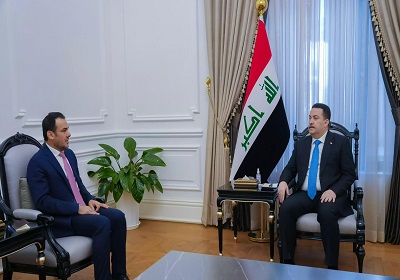
Prime Minister: The path of development will make Iraq a regional political and economic powerhouse
Invitation to the 79th issue of Dialogue of Thought
Seventh Baghdad International Dialogue Conference Call for Papers
Praise for the Baghdad International Dialogue: Strengthening Iraq's pivotal role and a meeting point for visions
Comments