


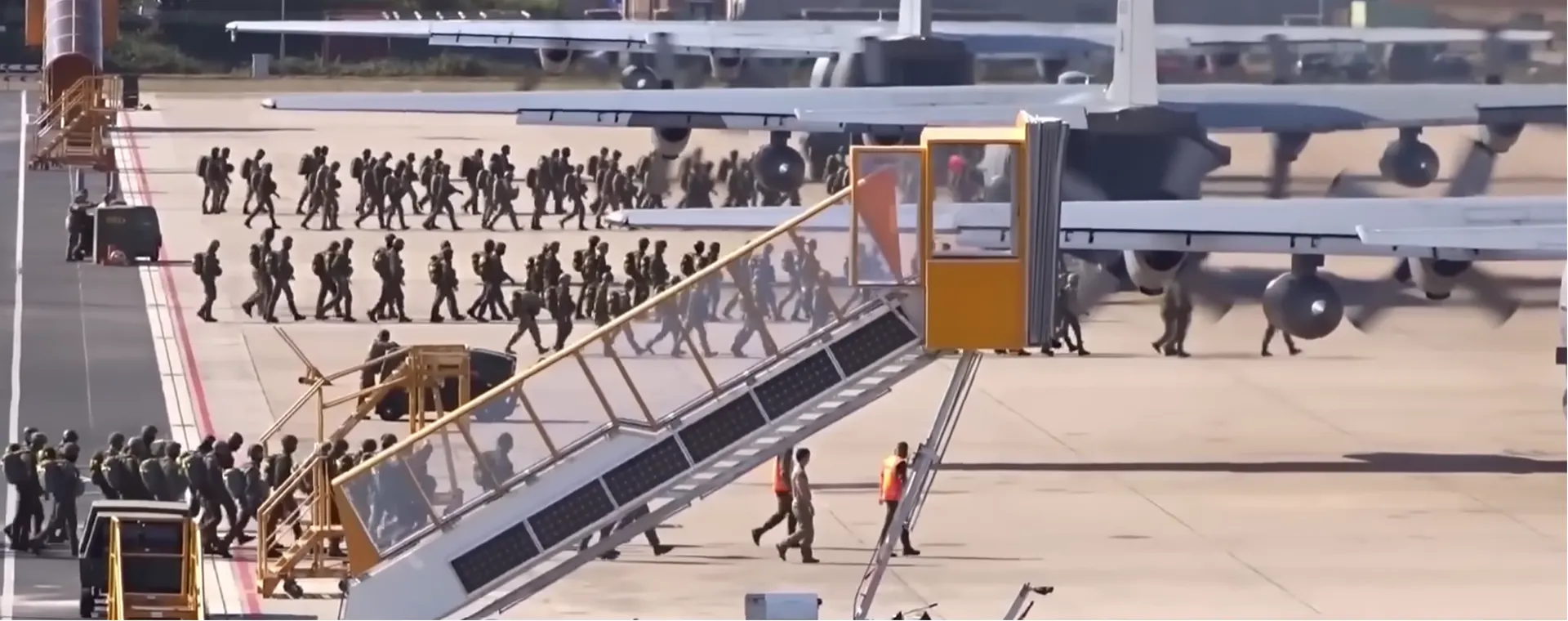
Between Rapid Resolve and Long Attrition: A Reading into the Dilemma of the U.S. War on Iran
An analysis published by the Small Wars Journal based on the content of "The Caspian Report" provides a strategic vision that focuses on a fundamental paradox in the ongoing conflict: While the United States needs to achieve a clear victory, it is enough for Iran to continue to hold out.
The analysis suggests that balancing tactical success with strategic feasibility is the central challenge in any long-term U.S. military engagement, especially in a complex environment such as Iran, which possesses geographic and human components that enhance its attrition capacity.
Tracks of Military Escalation
The report reviews several possible scenarios for U.S. military intervention inside Iran, starting with limited special forces operations, passing through control of specific geographical areas, and reaching the scenario of a comprehensive invasion.
"However, each of these levels carries with it increasing military and political complexities, making the cost of escalation much higher than the potential gains."
The Military Sustainability Dilemma
The report argues that the underlying problem is not the ability to start operations, but the ability to sustain them. "The deeper the U.S. military presence inside Iranian territory, the more difficult it will be to maintain operational momentum and control on the ground."
And he asserts that any large-scale invasion of Iran would likely lead to a long-term war that would last for months or years, without ensuring a swift or decisive victory.
Complexities of the Iranian Environment
The analysis stresses that Iran is not an easy arena for a military resolution, as it is characterized by several factors that impede any external intervention, most notably:
large population density
Complex Geographical Nature
Ability to mobilize internal resources
Prospects for long-term resistance
A military victory, even if it does occur, would not mean the end of the conflict, but rather the beginning of a more complex phase that would require managing stability and rebuilding the state, a task that could drain U.S. resources for years or even decades.
Tactical success versus strategic failure
Military operations may achieve short-term goals, but they create larger long-term challenges, such as chaos, instability, and the growth of non-traditional conflicts.
analytical summary
The report concludes that any large-scale military intervention in Iran carries significant strategic risks, and that military superiority does not necessarily guarantee sustainable political goals.
And the basic equation, as the analysis puts it, remains that the United States seeks a clear and specific victory, while Iran relies on the factor of time and attrition, which gives it a comparative advantage in a long-term war.
This proposition asserts that the debate about war should not be limited to military capabilities, but should also include the ability to manage the repercussions of the conflict and the long-term sustainability of its consequences.

The Iraqi Institute for Dialogue, the logistical sponsor of the Baghdad International Book Fair, opens its own pavilion at the fair
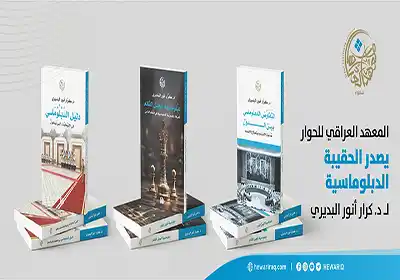
The Iraqi Institute for Dialogue publishes "The Diplomatic Portfolio" by Dr. Karrar Al-Badiri
Official agreement between Iraqi Institute for Dialogue and the Iraqi Media Network to sponsor The Seventh Annual International Conference of “Baghdad Dialogue” 2025
Invitation to the 79th issue of Dialogue of Thought
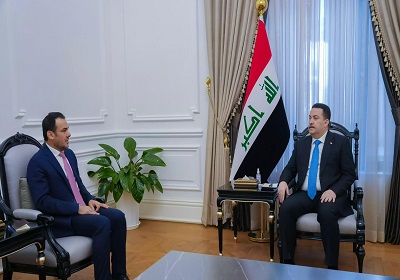
Prime Minister: The path of development will make Iraq a regional political and economic powerhouse
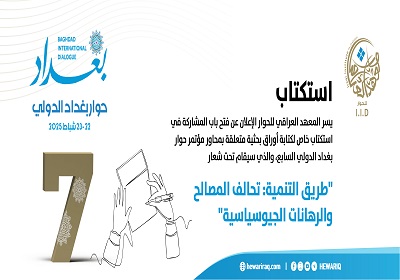
Seventh Baghdad International Dialogue Conference Call for Papers
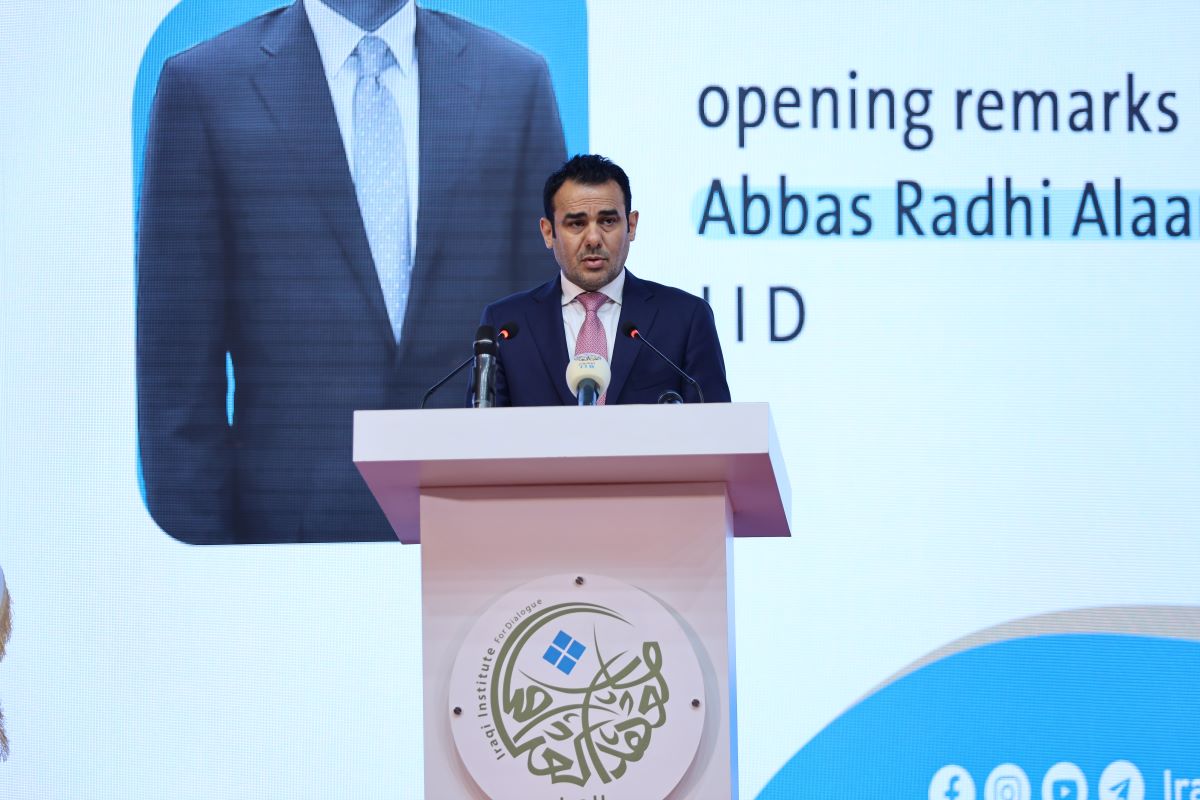
Speech of the Director of the Iraqi Institute for Dialog at the Sixth Baghdad International Dialog Conference
Comments