


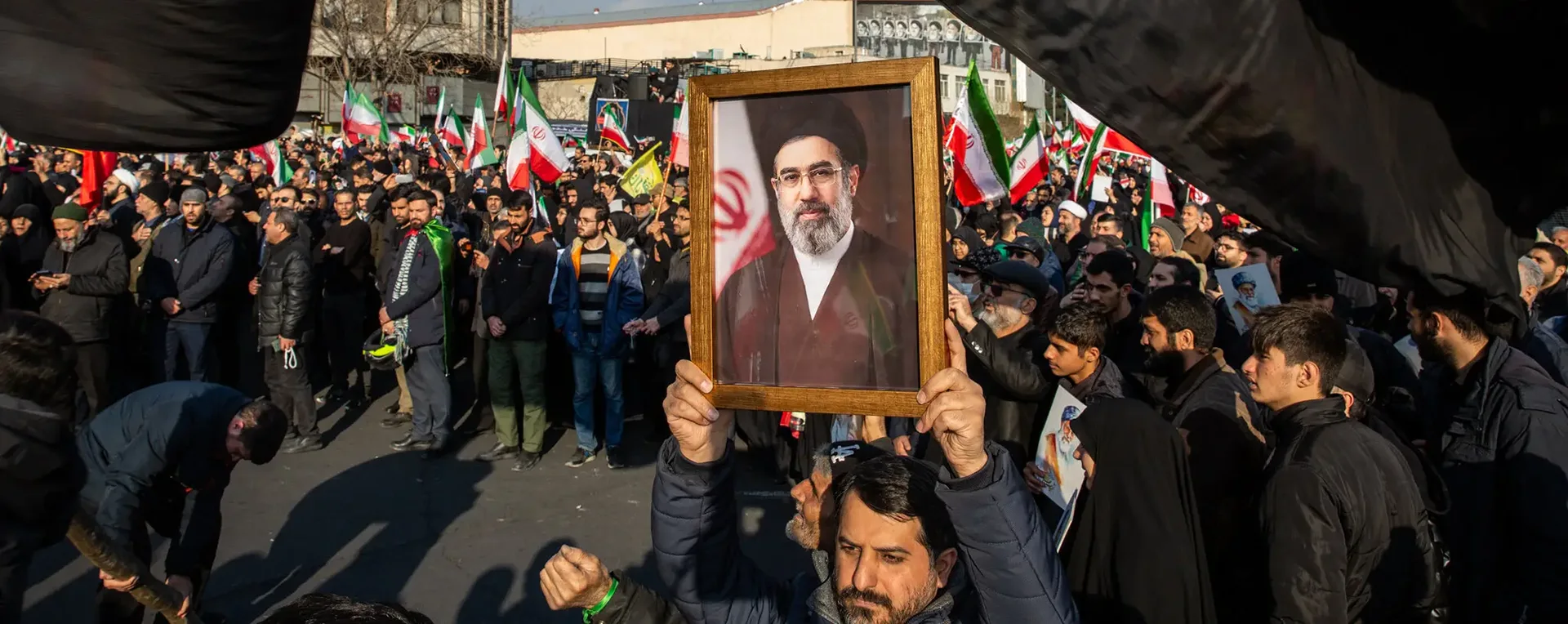
The Rise of Iran's Generals
On Tuesday, as U.S. Vice President J.D. Vance prepared to travel to Islamabad, Pakistan, for a second round of peace talks, the Iranians pulled out.
The Islamic Revolutionary Guard Corps made the decision, arguing that President Trump’s blockade makes the talks pointless. The Iranian president and foreign minister have opposed this view. But it is the views of the Guards that prevail, as is usually the case in Iran these days.
When Ayatollah Ali Khamenei ruled Iran as Supreme Leader, he exercised absolute control over decisions about war and peace and all negotiations with the United States. However, a report by my colleague Franz Vassehi shows that his son and successor are not playing the same role.
Mojtaba Khamenei is waiting for a prosthetic limb to be fitted to his leg and has difficulty speaking after being badly injured in the strikes that killed his father. He has not been seen or heard from publicly since his appointment in March. Instead, in her sensational report on Iran’s new wartime leadership, Farnaz makes clear that it is the IRGC’s commanders who actually run the country.
The IRGC has long enjoyed considerable influence in Iran's military, political, and economic affairs. But under Khamenei's father, they were still following a religious figure who also held the position of commander-in-chief of the armed forces.
Farnaz writes that the killing of Khamenei in the raids of the United States and the Zionist entity that took place on the first day of the war created a vacuum and opportunity. The IRGC rallied behind Mojtaba, their longtime ally, and played a pivotal role in his promotion to the position of Supreme Leader. And since then, they've been the ones making the decisions.
Franz told me that the Islamic Republic is ushering in a new era. "It is no longer a regime ruled by clerics, but what we are witnessing now is the early stages of a military regime," she said.
Islamic Republic (3rd generation)
Trump likes to say that the war has led to "regime change", and that the new leaders are "more moderate." In fact, the Islamic Republic has not fallen, but the regime has evolved Depends on your point of view.
The IRGC was the mastermind of Iran’s military response to the strikes by the United States and the Zionist entity. They have developed a strategy to strike neighboring Gulf states and, more importantly, to close the Strait of Hormuz.
They were the ones who agreed to a temporary ceasefire with the United States and then assigned Mohammad Baqer Qalibaf, the speaker of parliament and a former Revolutionary Guards general, to lead talks with Vance in Islamabad. And after they stopped those talks this week, they seized two cargo ships that tried to cross the Strait of Hormuz “without the necessary permits.”
They also used their war gains as leverage to overcome their political opponents at home, Franz writes. The president and his government were sidelined from key decision-making, and the foreign minister, Abbas Araghchi, was sidelined in peace negotiations, even though he led the talks before the war.
The new supreme leader is only the third since the 1979 Iranian revolution and has close ties to the Revolutionary Guards. He fought in one of the IRGC brigades during the Iran-Iraq War.
"It's conceivable that it's the third Islamic Republic, religion is declining and the generals are in power, and the supreme leader is on their side," Farnaz said.
pragmatic repression
The Trump administration began the war with the perception that it might It manages to find pragmatic factions within the IRGC ranks with which to strike a deal. This presumption may have some validity in relation to the pragmatic dimension.
"There is a possibility that the IRGC will rule Iran more realistically than the clerics," Farnaz told me. They have economic interests, so they may be more willing to open up the country economically and allow foreign investors in as part of the deal.”
But the administration seems to have miscalculated the internal divisions. The new system of collective governance led by the generals did not lead to the kind of division of the top leadership that might benefit the US in the next round of negotiations .
Franz added that all parties agree to keep the Strait of Hormuz closed until the United States lifts its blockade. They know that this is their most important pressure card and will not give it up until the parties return to the negotiating table. And the Iranian people will be the most affected changes in Iranian leadership.
Social restrictions previously imposed by Iranian clerics have already been relaxed. The requirement for women to hide their hair is now rarely applied. Meanwhile, the regime continues to execute protesters, and has set up military checkpoints across the country.
"They are probably less militant on social issues, but more politically repressive," said Franz.
Of course, we are talking about a country still at war. And we still don't know what kind of Iran that will emerge after these events are over.
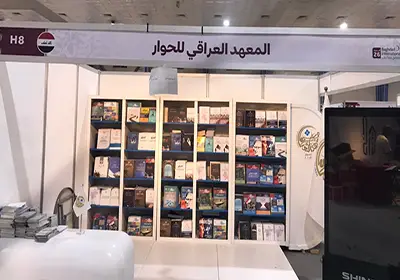
The Iraqi Institute for Dialogue, the logistical sponsor of the Baghdad International Book Fair, opens its own pavilion at the fair
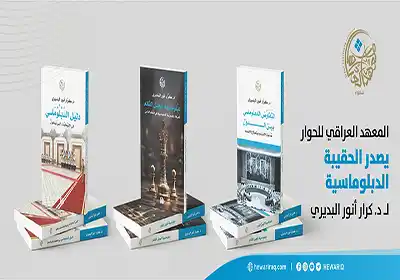
The Iraqi Institute for Dialogue publishes "The Diplomatic Portfolio" by Dr. Karrar Al-Badiri
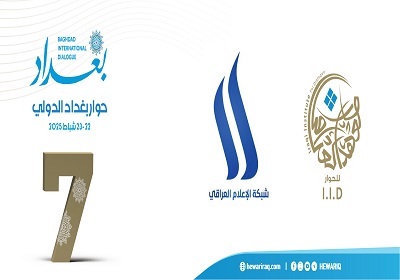
Official agreement between Iraqi Institute for Dialogue and the Iraqi Media Network to sponsor The Seventh Annual International Conference of “Baghdad Dialogue” 2025
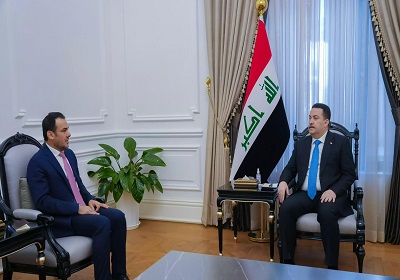
Prime Minister: The path of development will make Iraq a regional political and economic powerhouse
Invitation to the 79th issue of Dialogue of Thought
Seventh Baghdad International Dialogue Conference Call for Papers
Praise for the Baghdad International Dialogue: Strengthening Iraq's pivotal role and a meeting point for visions
Comments