



From the fragility of the authorities to a new national charter ... Aqeel Trihi calls for the re-establishment of the political system in the eighth Baghdad dialog conference
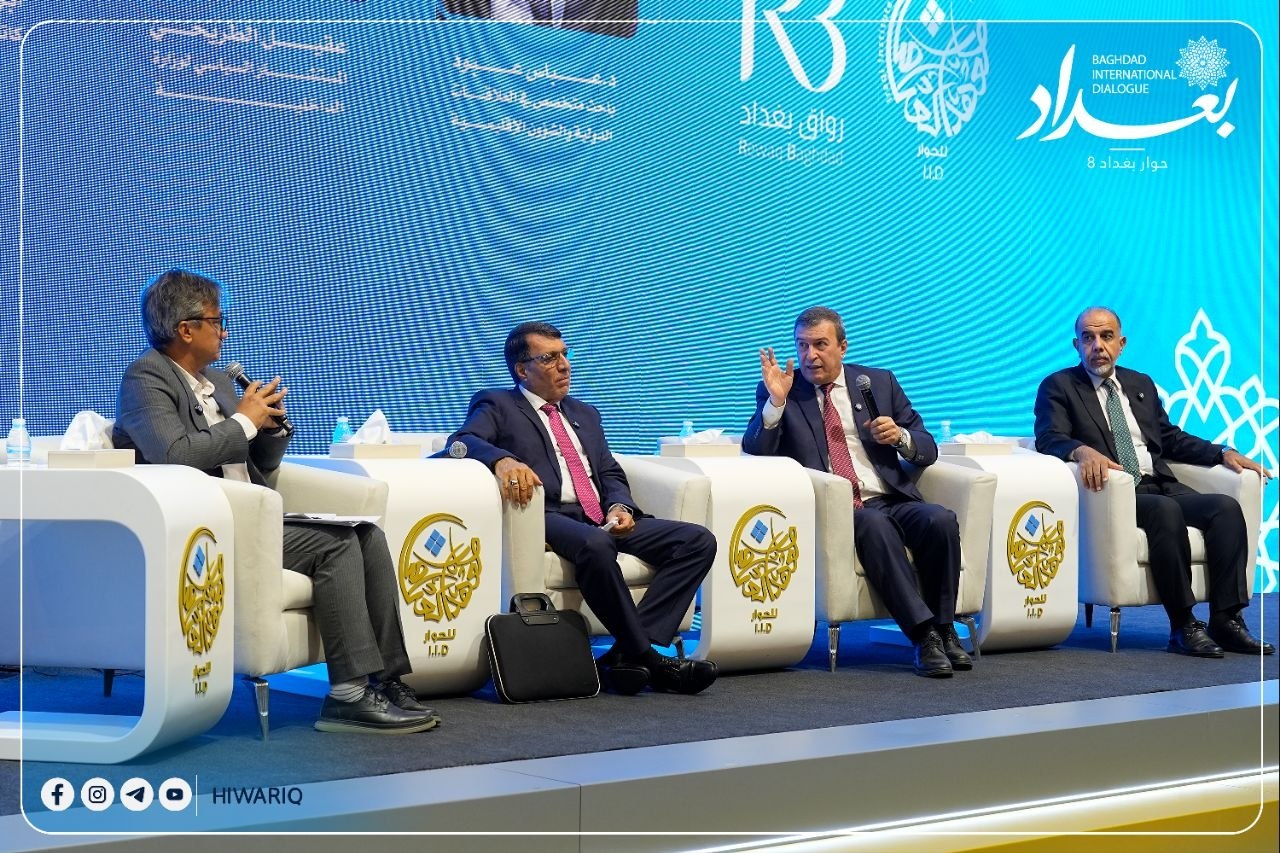
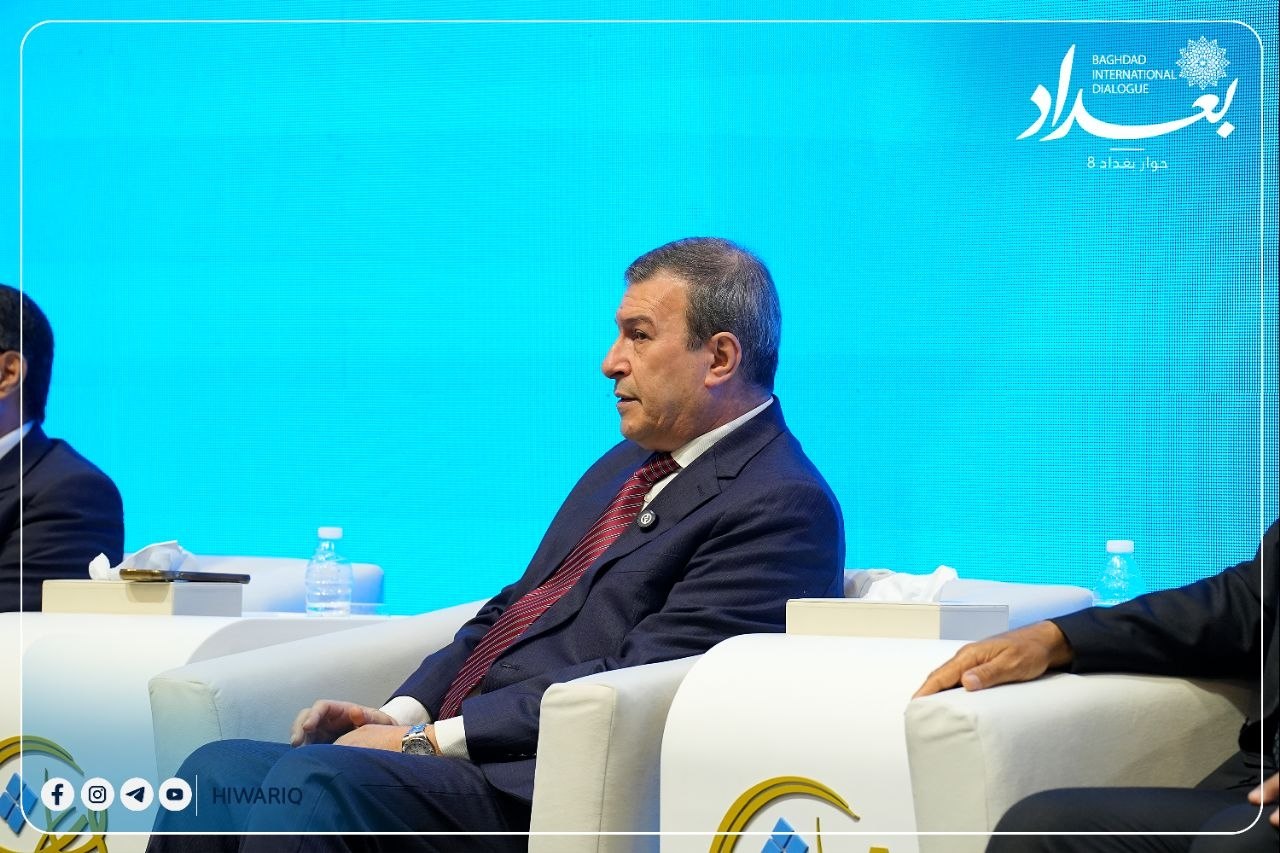
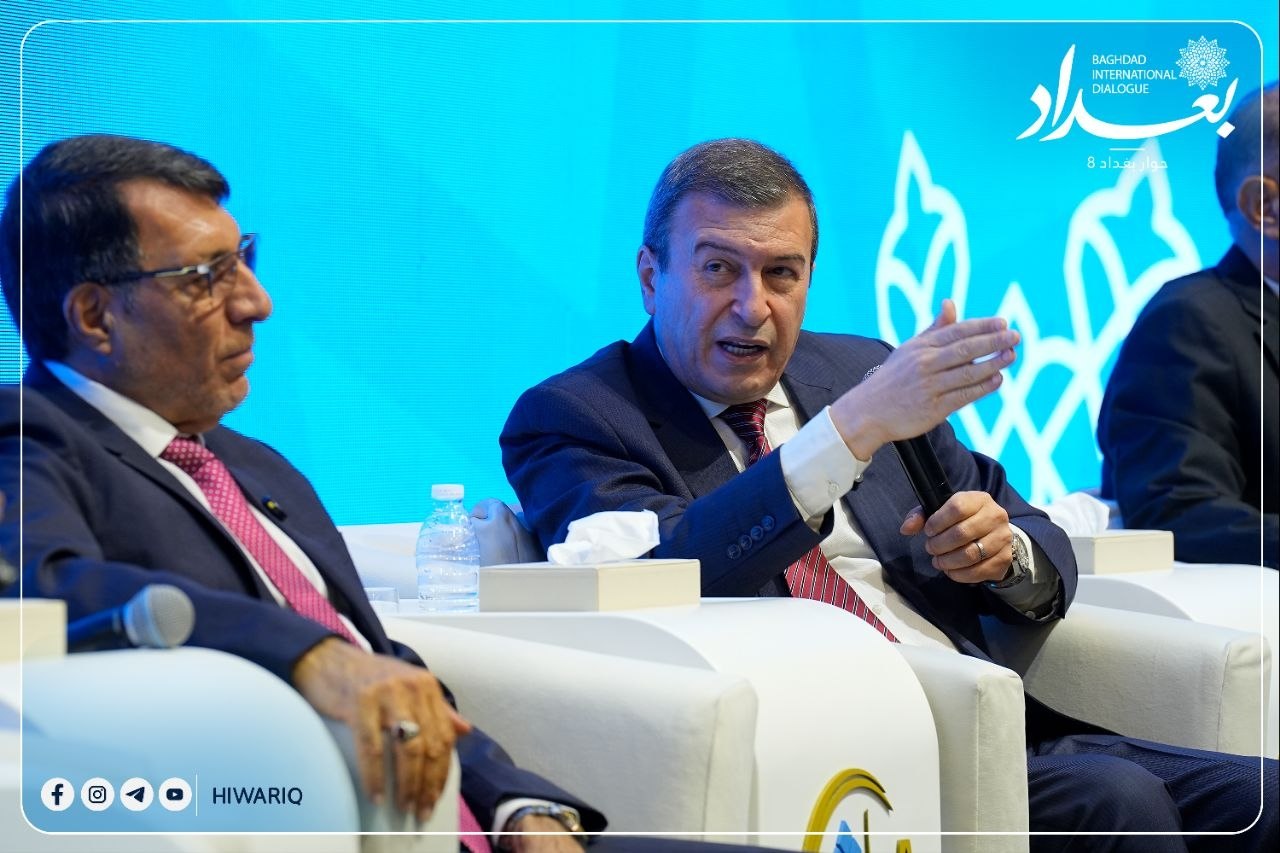
During his participation in the third session of the second day of the eighth Baghdad Dialog Conference, the Political Advisor to the Ministry of Interior, Mr. Aqeel Al-Trihi, touched on a number of files related to the future of the political system in Iraq, calling for its re-establishment in line with regional and international transformations and the needs of society, in addition to reviewing Iraq's relations with neighboring countries, the West, China and Russia, and diagnosing the problems that hinder the work of the state since 2003.
Re-establishment. Necessity No Choice
During the session, which was entitled "Challenges of the Political System in Light of the Current Regional Transformations" and was moderated by the Director of the Baghdad Riwaq Center for Public Policy, Dr. Alaa Hamid, Al-Turaihi said that "the re-establishment of the political system has become a necessity, after Iraq has reached a crossroads that made the authorities fragile, and the system no longer meets the needs of society."
And he added that "the authorities are still unable to solve external problems," stressing the need to "re-establish and re-organize Iraq's relationship with neighboring countries, the West, China and Russia," in line with the interests of the state and its transformations."
Priorities of the community... Citizen first
On the domestic issue, Al-Turaihi stressed that "the priorities of society are still unclear," wondering whether the priority is "the citizen and his needs," noting that the current problems "are not related to the current government, and we cannot blame them alone."
He stressed "the need to diagnose the real problems and set new paths for the state, away from holding a particular government responsible for political and institutional accumulations that have spanned years."
A National Charter and a New Path for the State
And called Trihi to "a new national charter on which the state is built, as it must be on a path other than the one we have known for the past 25 years," considering that "the re-establishment is not a defect, but can be a gateway to address the accumulated imbalances."
He said that Iraq has "achieved important things", while asking whether these achievements are "commensurate with the growth that is taking place in the world", adding, "Will we remain an arena for others?".
The Elites and the Constitution: A Post-2003 Review
In his assessment of what was established after 2003, al-Turaihi said that "what was established after 2003 was great things such as the constitution and competing political forces," but noted that "the constitution was written hastily and with political rather than technical hands."
And he added that "the elite think in an abstract way," calling on the Iraqi elites to diagnose the challenges and study them more deeply," pointing out that "there are not enough approaches, and the elites must study the challenges."
Al-Turaihi concluded by saying that "the current challenges are political challenges, and there are no reforms in them," stressing the need to review the foundations of the system and its tracks in line with the transformations taking place in Iraq and the region.

The Iraqi Institute for Dialogue, the logistical sponsor of the Baghdad International Book Fair, opens its own pavilion at the fair
Official agreement between Iraqi Institute for Dialogue and the Iraqi Media Network to sponsor The Seventh Annual International Conference of “Baghdad Dialogue” 2025
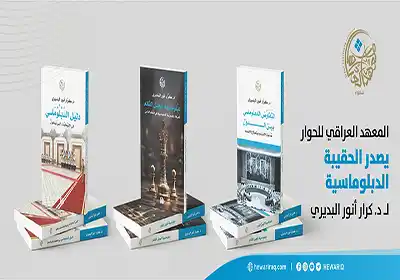
The Iraqi Institute for Dialogue publishes "The Diplomatic Portfolio" by Dr. Karrar Al-Badiri
Invitation to the 79th issue of Dialogue of Thought
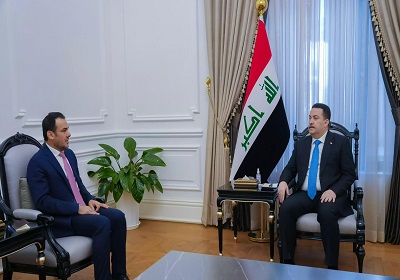
Prime Minister: The path of development will make Iraq a regional political and economic powerhouse
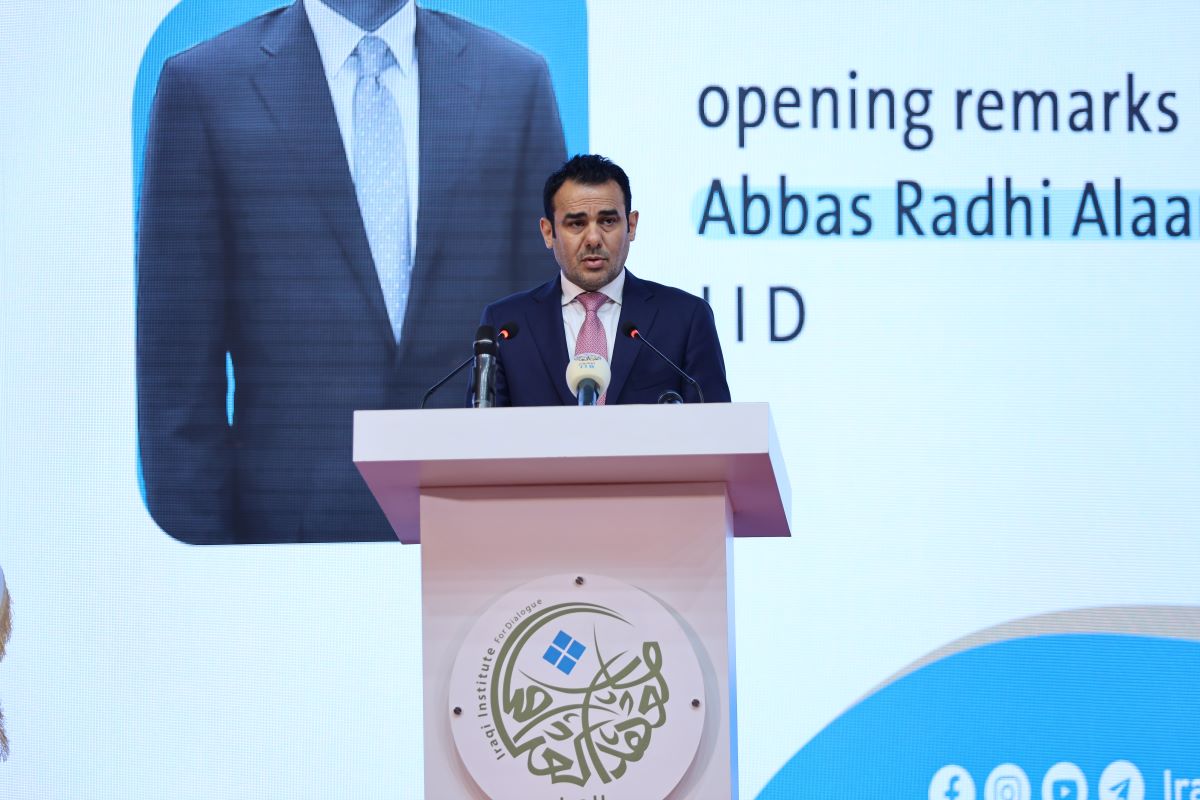
Speech of the Director of the Iraqi Institute for Dialog at the Sixth Baghdad International Dialog Conference
Seventh Baghdad International Dialogue Conference Call for Papers
Comments