

Seminar on "Iraqi-Saudi Relations: A Prophecy Will Be Realized"
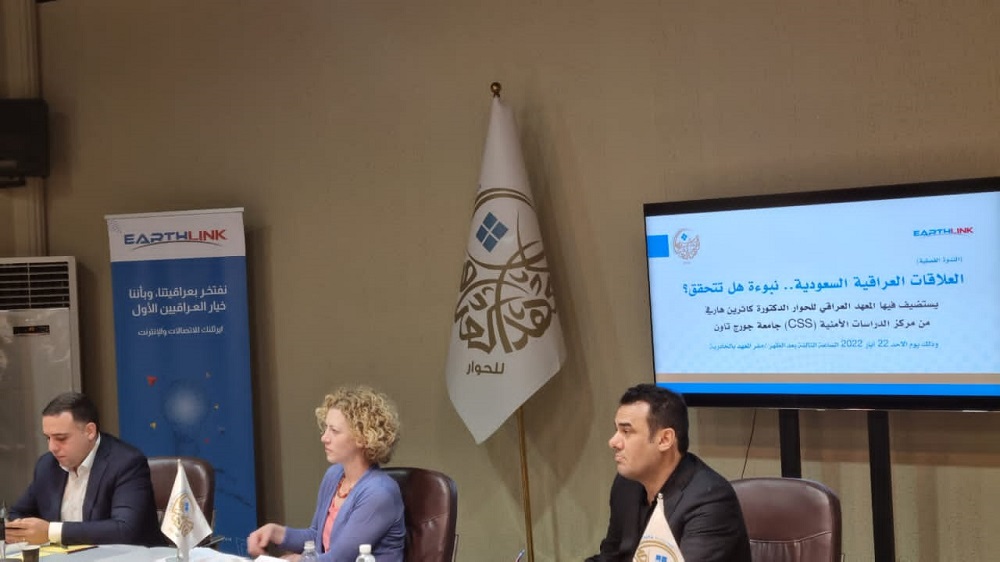
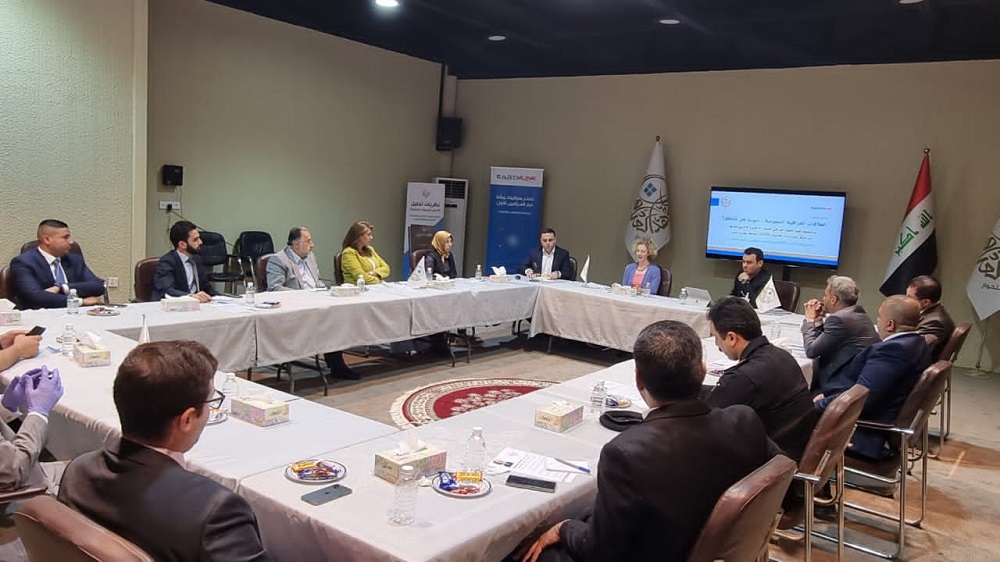
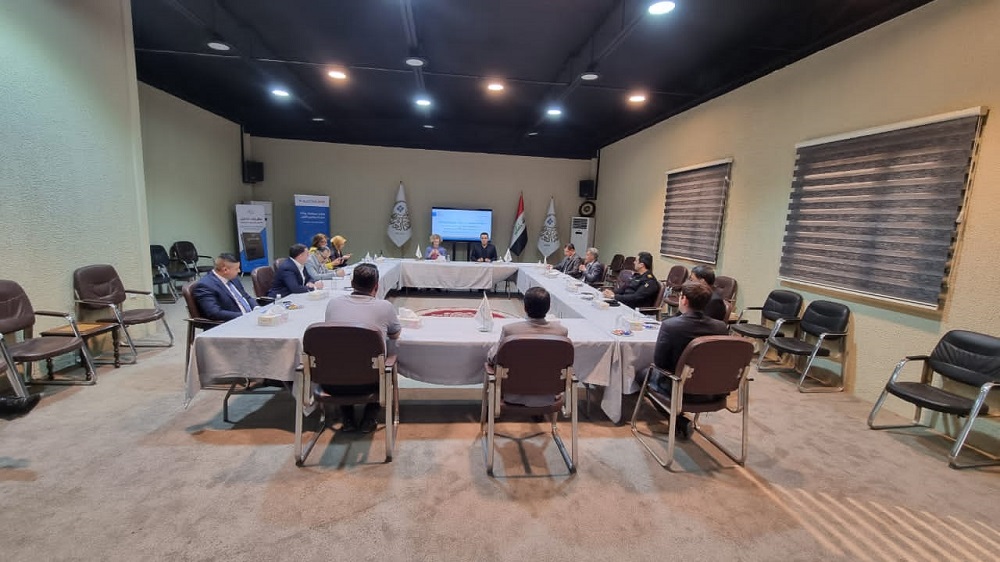
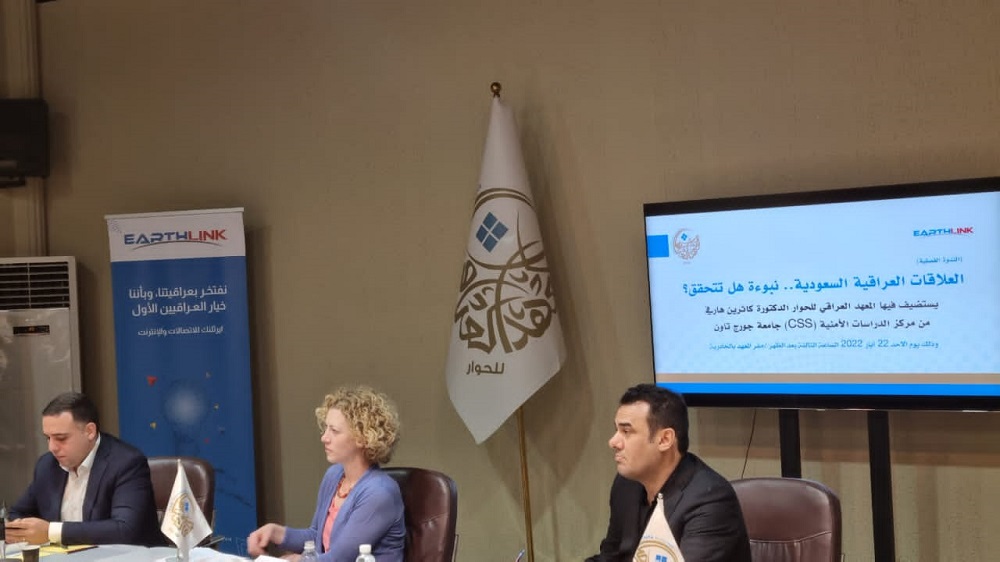
The Iraqi Institute for Dialog in Baghdad held a seminar on Sunday afternoon entitled "Iraqi-Saudi relations... a prophecy will be fulfilled?Dr. Katherine Harvey of the Center for Security Studies (CSS) at Georgetown University.
The session opened with a reading of Surah Al-Fatiha to the soul of the Arab rejection poet Muzaffar Al-Nawab.
At the beginning of the seminar, Dr. Harvey touched on the nature of Saudi and Iraqi foreign policy after the US invasion in 2003.
She reviewed her book, which spoke of the title of the symposium itself, and said that "in recent years, many have portrayed the geopolitical rivalry between Saudi Arabia and Iran as the result of the polarization between the Sunni camp led by the Kingdom and the Shiite camp led by Iran."
“This vision was based on the assumption that Shia-majority countries like Iraq would automatically ally with Iran.”
And Dr. Harvey commented that "this convincing perception of many, there is a different story from this stereotype, as Iraq's alignment with Iran was not a foregone conclusion, and instead, Saudi efforts to undermine Iran's standing have paradoxically enabled Tehran."
Iraqi leaders tried to reach out to Saudi Arabia
She also pointed out why Saudi Arabia refused to deal with the Shiite-led Iraqi government after 2003, despite the ongoing attempt by Iraq's new leaders to communicate with the Kingdom and the great pressure exerted by the United States.
Harvey has found that some deeply entrenched assumptions have led Saudi leaders to view Shia-led Iraq as naturally indebted to Iran, particularly the view that "Iran is inherently expansionist, and the belief that Arab Shia tend to be loyal to it." In truth, this view is too simplistic, even completely inaccurate; In the absence of rejecting this view, the Saudis have created a prophecy that comes true on its own.
As Harvey explains, “Members of the new Iraqi government initially sought to establish a positive relationship with Saudi Arabia, and to pursue a path independent of Iran. "However, after isolation and rejection by the late Saudi King Abdullah, Iraq in the end did not have another place to resort to."
And for years Maliki tried to achieve independence from Iran, and he changed course not because of the tilt of the Islamic Republic of Iran, but because of the deep alienation he felt towards Saudi Arabia.
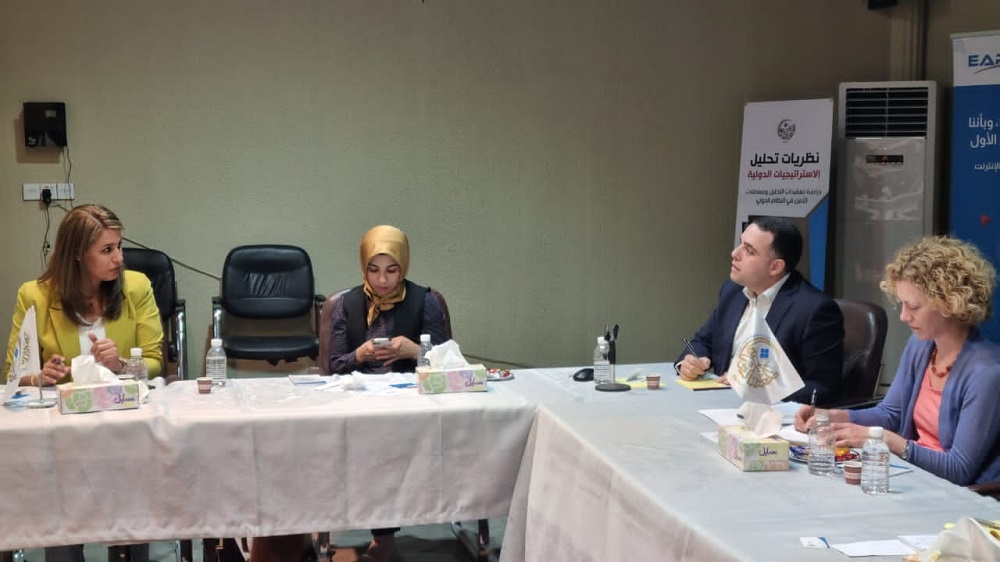
And in conclusion, the door was opened for discussion, as the symposium witnessed several interventions from the audience, including academics and researchers.
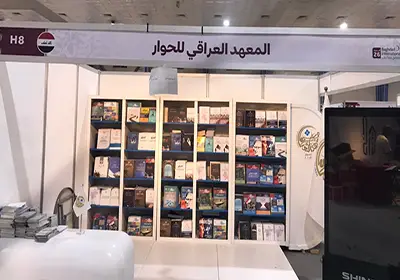
The Iraqi Institute for Dialogue, the logistical sponsor of the Baghdad International Book Fair, opens its own pavilion at the fair
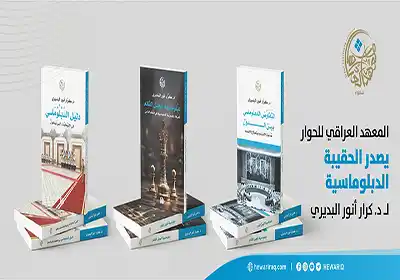
The Iraqi Institute for Dialogue publishes "The Diplomatic Portfolio" by Dr. Karrar Al-Badiri
Official agreement between Iraqi Institute for Dialogue and the Iraqi Media Network to sponsor The Seventh Annual International Conference of “Baghdad Dialogue” 2025
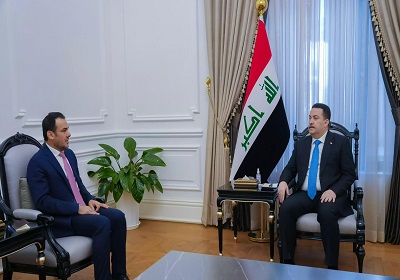
Prime Minister: The path of development will make Iraq a regional political and economic powerhouse
Invitation to the 79th issue of Dialogue of Thought
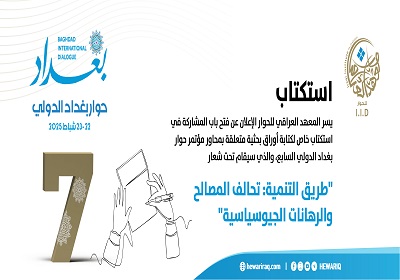
Seventh Baghdad International Dialogue Conference Call for Papers
Praise for the Baghdad International Dialogue: Strengthening Iraq's pivotal role and a meeting point for visions
Comments