

Iran-US rivalry in Iraq changing
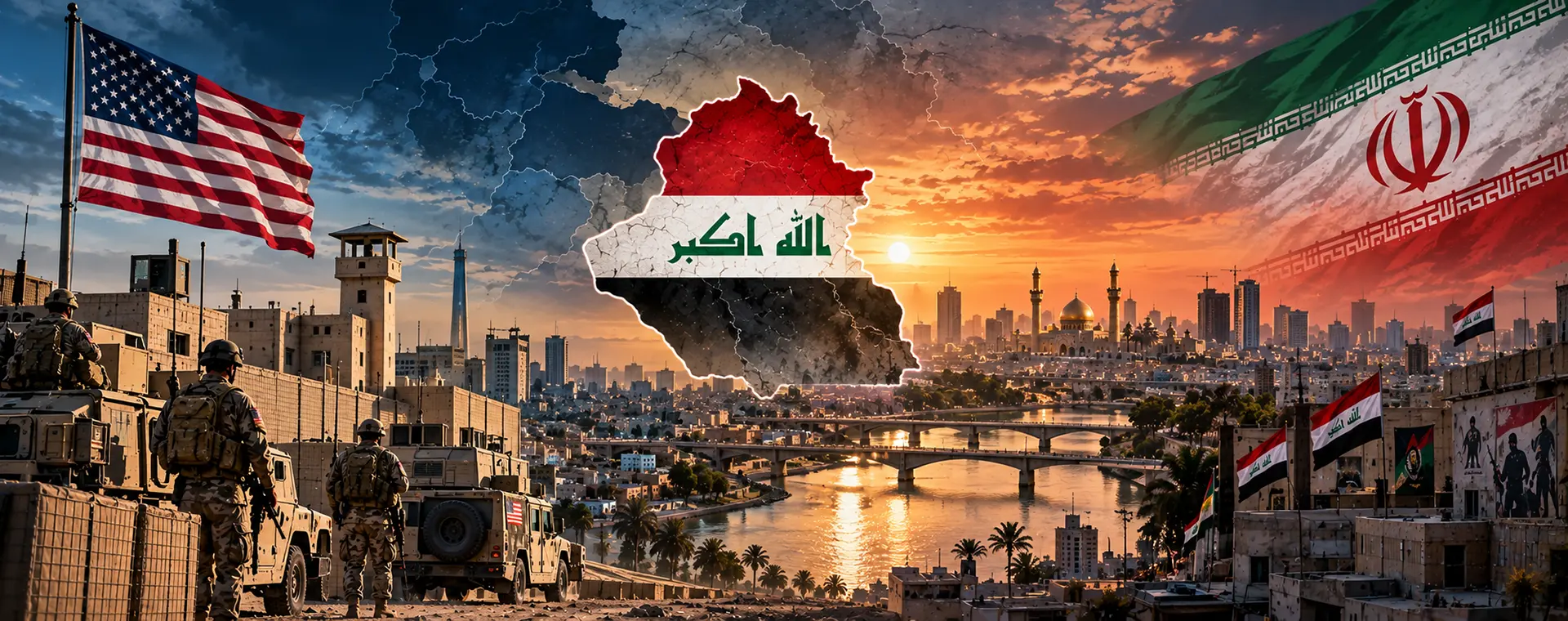
"Amid the Iran-U.S. war, the departure of U.S. forces has raised new questions about Iraq's future security, the balance of domestic power, and Baghdad's margin of action in the face of Iranian and U.S. pressure, a development some observers interpret as potentially paving the way for expanded Iranian influence."
And Al-Monitor said in a report on the completion of the process of the withdrawal of US forces from Iraq, based on the 2024 agreement with Baghdad, that this step may, on the one hand, make the US's Kurdish allies more vulnerable to attacks, and on the other hand, provide a wider space for long-term Iranian influence in Iraq.
The Wall Street Journal also reported on the departure of US troops in circumstances where Iraq is more vulnerable than before to the repercussions of tension between Washington and Tehran. At the same time, Iran-aligned groups have gained greater influence within Iraq's political and security structures in recent years.
The quest for gun control is one of the most significant challenges facing the new Iraqi government. Ali al-Zaidi has set a deadline for armed groups to hand over their weapons, but some of these groups have opposed forcible disarmament, and see retaining their weapons as necessary to defend Iraq's sovereignty and freedom.
Along with their military capabilities, these groups have influence within parliament and government institutions, and some also play a role in the Iraqi political process.
And in the meantime, Iran’s role remains one of the important factors in Iraq’s equations. After the developments of 2003, Tehran consolidated its influence in Iraq, and armed factions participated in the fight against ISIS in 2014, before part of it later entered the structure of the Iraqi political system.
"With the U.S. military presence now diminishing, Baghdad must move between consolidating state authority, managing its relations with armed groups, and maintaining a balance in its foreign relations."
And while the departure of U.S. forces does not mean the end of Washington’s role in Iraq, as troops will remain to protect diplomatic posts and support military equipment, a reduction in the U.S. military presence could open the door to redefining the balance of power within Iraq, a balance in which the roles of the Baghdad government, armed groups, and regional powers, including Iran, will remain critical factors.
Attendance form change
Ali Akbar Asadi, an expert on Western Asia, told the "Dunya Economy" newspaper about the process of the departure of US forces from Iraq, that this development does not represent a new event in relations between Baghdad and Washington.
And Asadi explained: "American forces left Iraq once in 2011, but returned to this country after the emergence of ISIS in 2014, at the request of the Iraqi government and within the framework of the international coalition to combat ISIS."
The expert on West Asian affairs believes that the synchronization of the departure of US forces with the Iraqi government's efforts to strengthen national sovereignty and restrict arms to the state holds special importance.
According to Asadi, with the decline of the US military presence, the competition between Tehran and Washington in Iraq will move, more than before, to the political and economic arenas; "The United States is seeking to reduce Iran's role and influence, while Tehran will use the capabilities at its disposal to maintain and strengthen its position."
Asadi believes that one of the important repercussions of the departure of American forces is the decline in the military budget tools that Washington has in the face of Iran, and the increase in the margin of movement of resistance groups, but he confirms that this process does not mean the end of the American role in Iraq.
According to him, Washington will retain the possibility of influencing Iraq through its relations with the government and parts of the Iraqi security forces, as well as in the areas of training, consultancy, armament and intelligence.
Asadi also talks about the shift of the focus of the United States from the military field to the political and economic fields, and believes that Washington will seek to use financial and economic tools and investments and its relations with the central government, the Kurdistan region and political parties and currents to maintain its influence in Iraq.
And the United States will try to reduce Iran’s economic and political presence and role in Iraq, and Tehran will respond as much as it can.
According to the expert on West Asian affairs, after the assumption of Prime Minister Ali al-Zaidi, we are witnessing increasing and prominent efforts to strengthen the presence and the American economic role in Iraq through various investments.
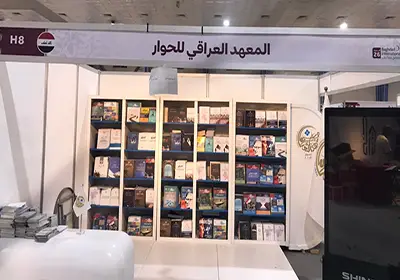
The Iraqi Institute for Dialogue, the logistical sponsor of the Baghdad International Book Fair, opens its own pavilion at the fair
Official agreement between Iraqi Institute for Dialogue and the Iraqi Media Network to sponsor The Seventh Annual International Conference of “Baghdad Dialogue” 2025
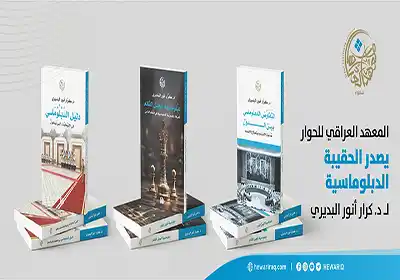
The Iraqi Institute for Dialogue publishes "The Diplomatic Portfolio" by Dr. Karrar Al-Badiri
Invitation to the 79th issue of Dialogue of Thought
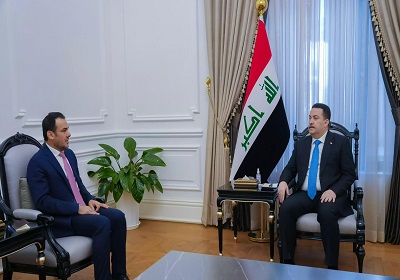
Prime Minister: The path of development will make Iraq a regional political and economic powerhouse
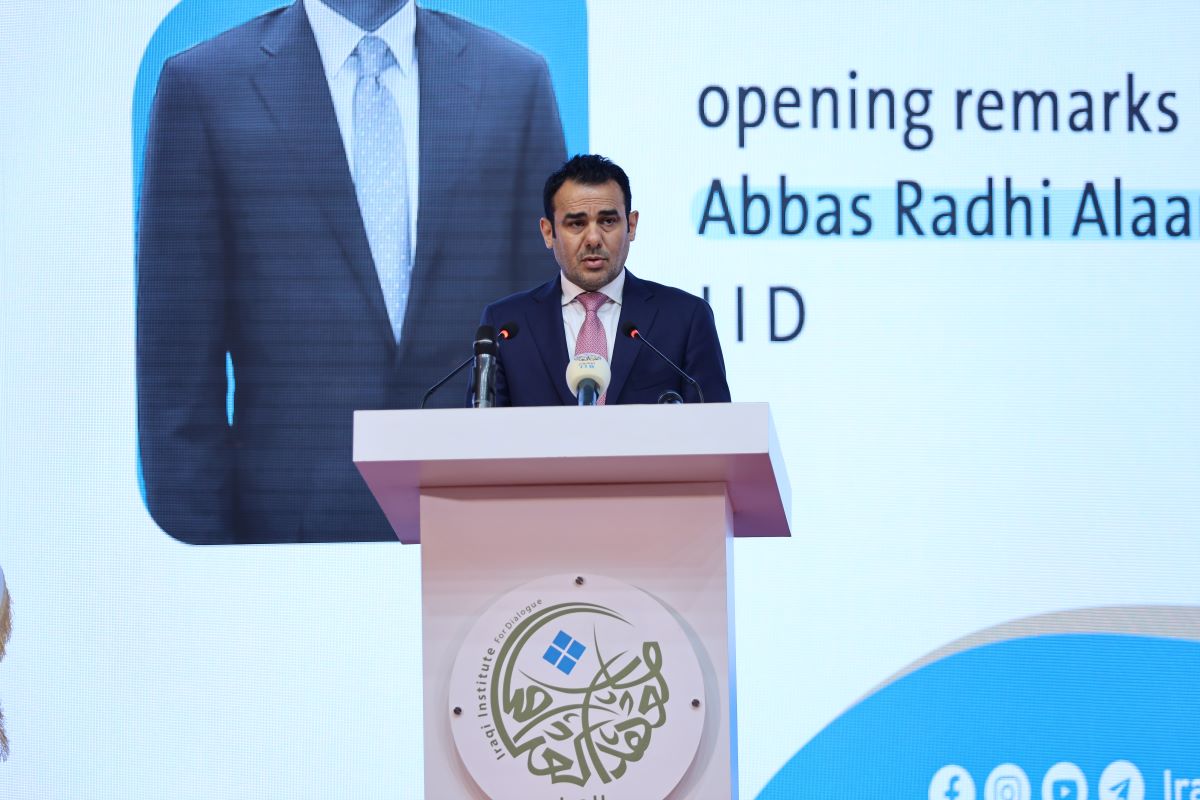
Speech of the Director of the Iraqi Institute for Dialog at the Sixth Baghdad International Dialog Conference
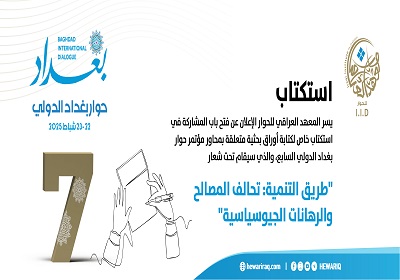
Seventh Baghdad International Dialogue Conference Call for Papers
Comments