


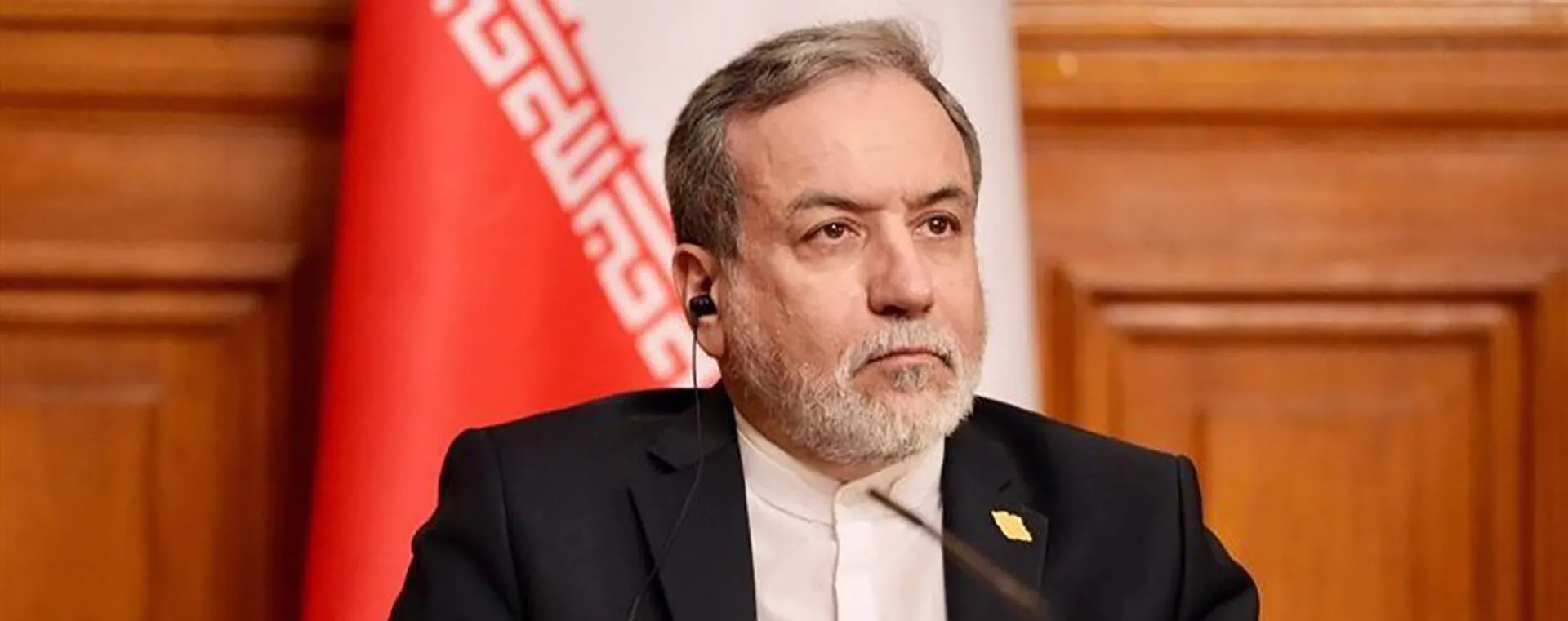
Iran’s foreign minister: Misconceptions about us are dangerous
Although the agendas of my meetings with a number of foreign ministers on the sidelines of the UN General Assembly last month differed, they all shared the same message that Iran seeks a just and dignified deal with the United States. To achieve this result, the White House must show seriousness and a real will to permanently end its aggression.
And while Iran is firmly committed to seeking a peaceful and dignified resolution to the conflict, it is fully prepared to defend itself as well. President Donald Trump entered this war on fundamentally false assumptions about Iran’s resilience. It seems that he is still receiving misinformation that our armed forces are not ready to defend the homeland, even though all the evidence proves otherwise. And in return, our brave armed forces have learned valuable lessons from the aggressive actions of Israel and the United States since 2025.
And to underline the obvious, we have no confidence in the sincerity of what the US administration says it wants to make peace with Iran. The evidence is clear to all: in June 2025 and February 2026, the United States bombed us while we were actually engaged in negotiations. And in June of this year, we were attacked for the third time shortly after the signing of an agreement between Iranian President Massoud Pezeshkian and US President Donald Trump.
And with the White House showing no willingness to reach an understanding on the next course, while still threatening more violence, there is little reason to expect progress at the moment. And the recent escalation across the region shows how quickly this conflict is spreading and the breadth of its repercussions, which is evidence of the significant risks to international peace and security. Despite all this, as a career diplomat, I am obliged to do my best to give diplomacy a chance, even when hopes of success are slim.
During the last meeting of the United Nations General Assembly, I presented to the United States, through the mediators, the seven-day plan that outlines the actions that the parties must take to end the war and reopen the Strait of Hormuz. Importantly, this initiative does not require the United States to take any action that it has not previously agreed to. The steps outlined in the framework agreement are clear, as is the outcome: the strait will reopen on day six, with negotiations to reach a final agreement to resume on day seven. And if the plan is implemented, life in the area will begin to return to normal.
Meanwhile, the White House refuses to acknowledge the rising costs of war for ordinary Americans. And you don't have to take my words alone as proof of that; Eight months after another war the United States has chosen to fight abroad, even Moody’s says the aggression against Iran has cost American consumers an estimated $265 billion this year, nearly $2,000 per household.
The sharp increase in energy prices accounts for about half of that amount, an estimate that does not take into account the much larger cost to the wider global economy. If we add to this bill the damage done to many U.S. military bases in the region and the massive loss of equipment, the catastrophe this war has caused to American interests will become very clear.
The fact is that Iran, by virtue of its geographical location alone, will continue to have unparalleled influence over maritime traffic through the Strait of Hormuz. More importantly, this waterway is irreplaceable, both for the region and for the global economy, despite the uproar over alternative routes.
The positive thing is that Iran intends to fulfill its historic role in protecting the strait and the ships that cross it legally.
There is a way forward, but that path will become a reality only when the administration sincerely acknowledges that it no longer has military options. This fact should have already been made clear after nearly eight months of war, during which none of the goals that the United States had openly declared it was pursuing by attacking Iran were achieved.
And as we once again find ourselves at a dangerous juncture, it is my duty to warn that any further escalation around the Strait of Hormuz or elsewhere in the region will put the lives of civilians and the well-being of all countries in the region and the global economy at grave risk. This is a fact proven by past experiences, and it is sure to be the case in the future.
And if the United States again chooses military action over diplomacy, I can say with full and absolute confidence that it will lead to a much greater strategic failure. Iran, as an ancient civilization that prides itself on its history, does not kneel before any power.
And yet Iran is prepared to give diplomacy another chance if we see strong evidence of a genuine American desire for a just, dignified solution that permanently ends this conflict.
President Trump based his decision to enter this war on false assumptions about Iran. And repeating this mistake at the moment will only lead to much more painful results, and to a degree that does not compare to what preceded it.

The Iraqi Institute for Dialogue, the logistical sponsor of the Baghdad International Book Fair, opens its own pavilion at the fair
Official agreement between Iraqi Institute for Dialogue and the Iraqi Media Network to sponsor The Seventh Annual International Conference of “Baghdad Dialogue” 2025
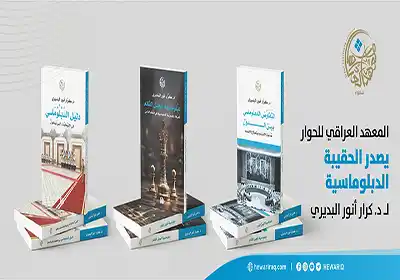
The Iraqi Institute for Dialogue publishes "The Diplomatic Portfolio" by Dr. Karrar Al-Badiri

Invitation to the 79th issue of Dialogue of Thought
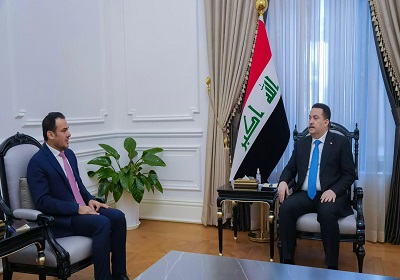
Prime Minister: The path of development will make Iraq a regional political and economic powerhouse
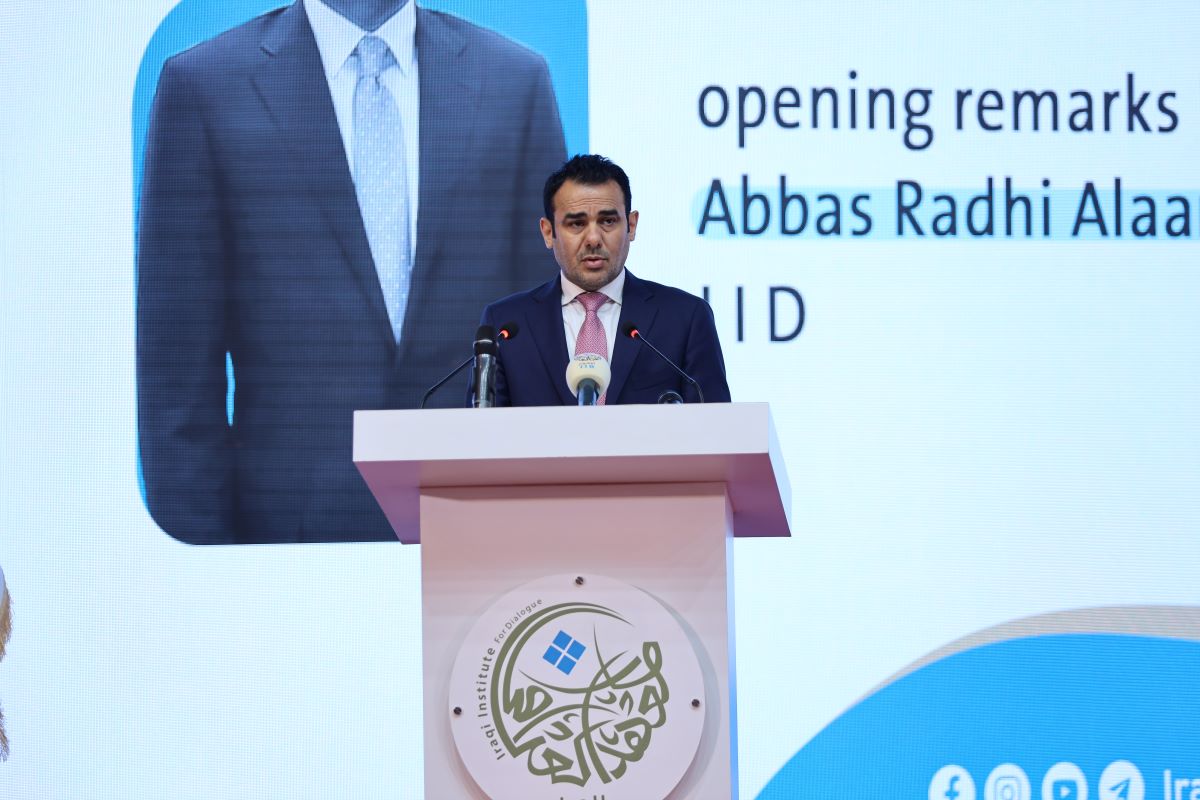
Speech of the Director of the Iraqi Institute for Dialog at the Sixth Baghdad International Dialog Conference
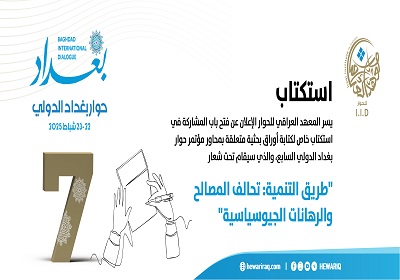
Seventh Baghdad International Dialogue Conference Call for Papers
Comments